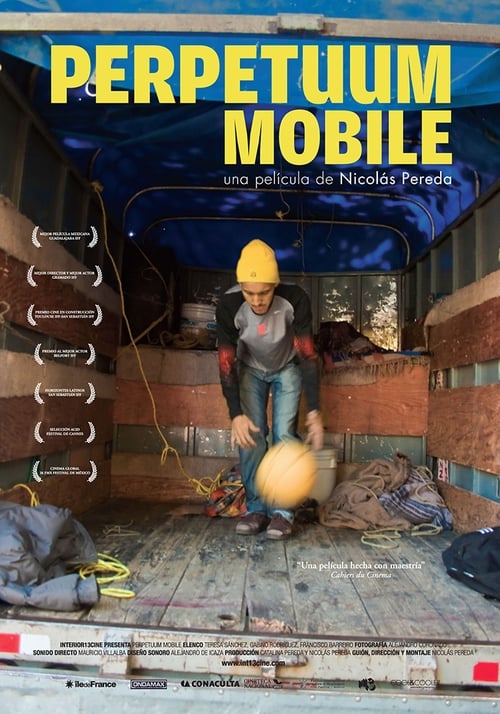
Perpetuum Mobile
2009
No user ratings available yet
Representation score: 6.7 out of 10
Representation Score
Excellent
2011
Director
Daniela Schneider
Average Rating
No ratings yetNew Showbiz Analysis
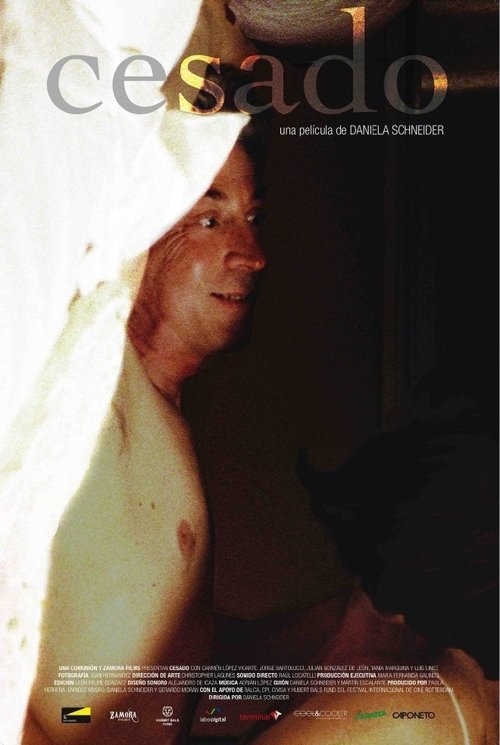
Cesado offers a grounded exploration of domestic instability through a hyper-realistic lens. It succeeds by breaking down traditional roles, particularly through the portrayal of a disabled patriarch and the shifting power dynamics within a Mexican household. The film avoids clichés of idealized family life, opting instead for a nuanced look at how physical vulnerability and class tensions reshape social structures. This provides a meaningful, if heavy, cinematic experience. However, the film remains narrow in its social scope. While it handles disability and gendered power shifts effectively, it lacks representation of LGBTQ+ identities or broader religious diversity.
Category Breakdown
The story focuses solely on a nuclear family unit and does not include any LGBTQ+ characters or non-straight relationships.
The film challenges traditional patriarchal norms by focusing on a father who can no longer lead or provide. Alicia’s focus on her past identity highlights female perspective.
Rooted in Mexican cinematic traditions, the film explores class tension between a family and their employees. It provides a culturally specific look at identity and social hierarchy.
The story avoids idealized Western family models, focusing instead on socioeconomic instability. It presents a gritty, subjective view of domestic dysfunction and struggle.
Juan’s neurological condition is central to the plot rather than a mere device. The film explores the lived reality of dependency and its impact on the household ecosystem.
Present on Screen
Limited or Absent
Official Synopsis
Following in the footsteps of directors such as Carlos Reygadas, the cinematographer Daniela Schneider works with non-professional actors for her first work, which narrates the struggle of a family in leading a normal life after experiencing the father’s serious sickness. The connotations offered in the film are recurrent in Mexican cinema: relations between different social classes and identity. A while back, Juan suffered a brain stroke; today he dependson everybody, including the employees. While, he finds amusement and comfort in horror movies,his wife Alicia tries to fight pain with memories of her glory days as a model. Matias, their only son, struggles to find a place in the midst of this situation.
2009

2012

2012

2015

2014

2009
2015

2012
No reviews yet. Be the first to share your thoughts on this movie!
Use the rating form above to leave a star rating and optional review.