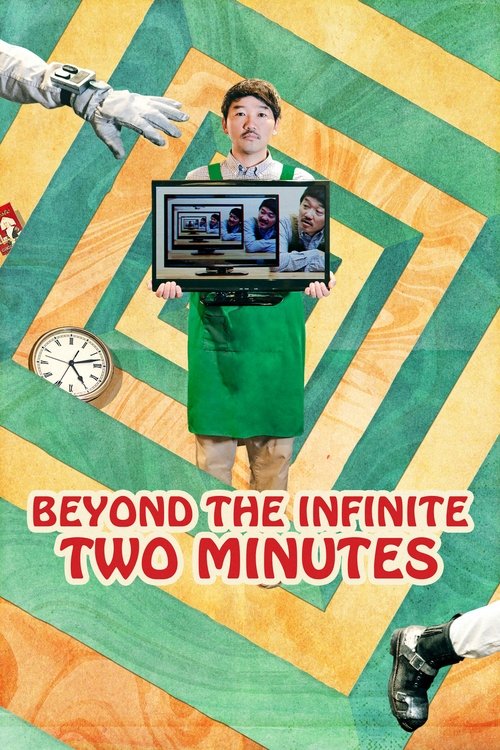
Beyond the Infinite Two Minutes
2020
No user ratings available yet
Representation score: 1.7 out of 10
Representation Score
Limited
2005
Director
Katsuyuki Motohiro
Runtime
107 minutes
Average Rating
No ratings yetNew Showbiz Analysis
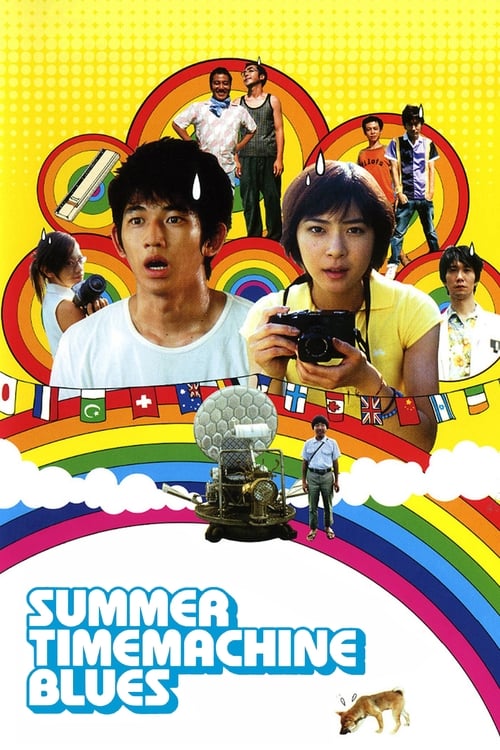
Summer Time Machine Blues is a character-driven science fiction comedy that emphasizes time travel and philosophical themes. The film stays within conventional social structures and historical context, avoiding broader social commentary. It focuses on the personal journeys of a group of high school students in a localized setting, without challenging societal norms or power structures.
Category Breakdown
The film follows traditional heterosexual and cisgender norms, with no representation of non-binary or LGBTQ+ identities.
Female characters adhere to traditional gender roles typical of the 1970s, reflecting the era’s social dynamics.
The story takes place in a homogeneous Japanese high school setting, without diverse racial or ethnic representation.
The plot unfolds within a secular, middle-class context, avoiding religious or political themes and focusing on personal responsibility.
There are no characters with visible or invisible disabilities, nor does the narrative address neurodivergence or physical impairments.
Present on Screen
Limited or Absent
Official Synopsis
The members of a sci-fi club accidentally spill Coke on the remote controller of an air-conditioner during summer and suddenly a time machine appears in their sweating bath-like clubroom.
2020
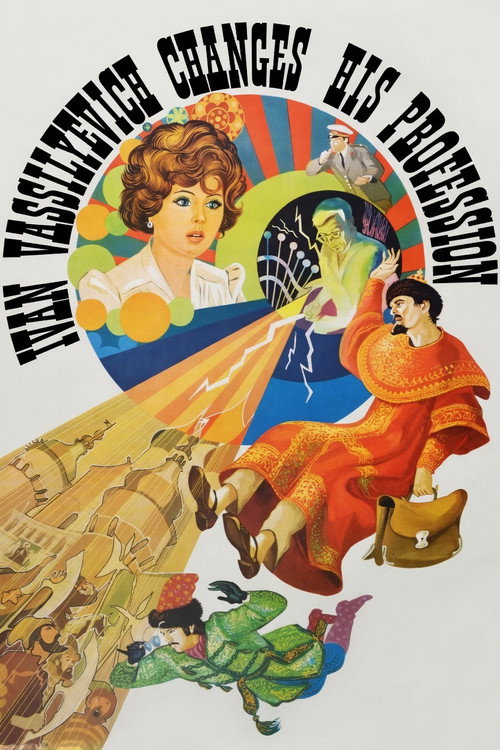
1973

1988

2009
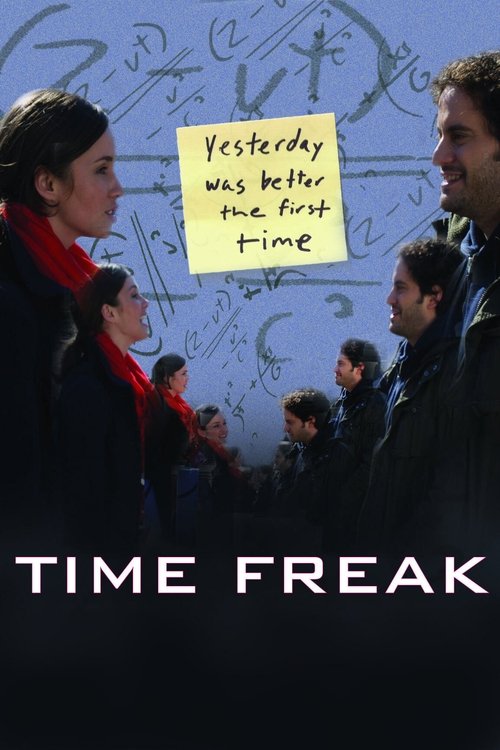
2011

2001

1955

2015
No reviews yet. Be the first to share your thoughts on this movie!
Use the rating form above to leave a star rating and optional review.