MA 2412 - Die Staatsdiener
2003
No user ratings available yet
Diversity score: 2.6 out of 10
2007
Director
Carsten Strauch
Runtime
92 minutes
Average Rating
No ratings yetSynopsis
"Die Aufschneider" is a well written slap-stick comedy suffering from the shortcomings which a lot of first-time feature films do. Die Aufschneider is an ambitious attempt by Carsten Strauch to co-write, direct, and co-star in his first full length feature film. Even though he has won acclaim with previous comedy shorts - his experience as director/ actor was not enough to make "Die Aufschneider", cinematically, all it could have been. There was not enough time given to character, or plot development, resulting in a story-line which moves too quickly from one situation to another, making the characters somewhat two dimensional. The scenes seem to be generally shot with one or two camera angles, (which may have been intended to imitate the genre which the film is making fun of) resulting in a flat cinematic style that is more reminiscent of student films than of a feature film.The script is a witty, off-the-wall sitcom/screwball comedy, that satirizes the hospital TV series genre. It harps on classical medical stereotypes and makes fun of them by exaggerating them to the point of making them, almost, and sometimes, painful. The script has enough misunderstandings and plot twists to keep the audience guessing how it will all work out in the end, up until the very end."Die Aufschneider" is a wacky feel-good comedy produced in a country that needs to catch up with other countries in its production of quality humor. It has many shortcomings when viewed from a strictly film hand-craft stand point, but it has spirit and most importantly humor. For those who are interested in being amused without demanding "big cinema", It is definitely worth watching. Hopefully this will not be the last film from the Aufschneider team, the potential for higher quality cinema and even funnier plots is great.
Overall Score
Limited
Category Breakdown
LGBTQ+ Representation
The film lacks visible engagement with non-heteronormative identities. There are no LGBTQ+ characters or storylines present to critique heteronormativity.
Gender Representation
The narrative centers on a male-dominated 'boys' club' dynamic. Women occupy peripheral roles, acting primarily as catalysts for male interaction rather than independent agents.
Racial & Ethnic Diversity
Set in 1960s West Germany, the cast is predominantly white to reflect the era's demographic homogeneity. The production prioritizes period-accurate social realism over intersectional casting.
Religious & Cultural Diversity
The satire disrupts idealized views of post-war German prosperity by focusing on unscrupulous protagonists. It critiques burgeoning consumerism and traditional bourgeois values through moral relativism.
Disability Representation
There is no discernible evidence regarding the portrayal of physical or neurodivergent disabilities in this work.
Strengths
Areas for Improvement
AI Analysis
Die Aufschneider is a screwball comedy that uses satire to deconstruct the rigid conventions of medical procedurals and social hierarchies. While it lacks demographic intersectionality, it offers a cynical look at mid-century Western institutions. The film's strength lies in its narrative impulse to challenge the perceived stability of the Wirtschaftswunder era. By celebrating moral flexibility and social climbing, it avoids the typical moralistic tone of period pieces. However, the film remains socially conservative in its casting and character dynamics. It relies on traditional gendered structures and a homogeneous racial landscape typical of its 1960s setting.
2003
2003
1964
1961
2000
2007
2011
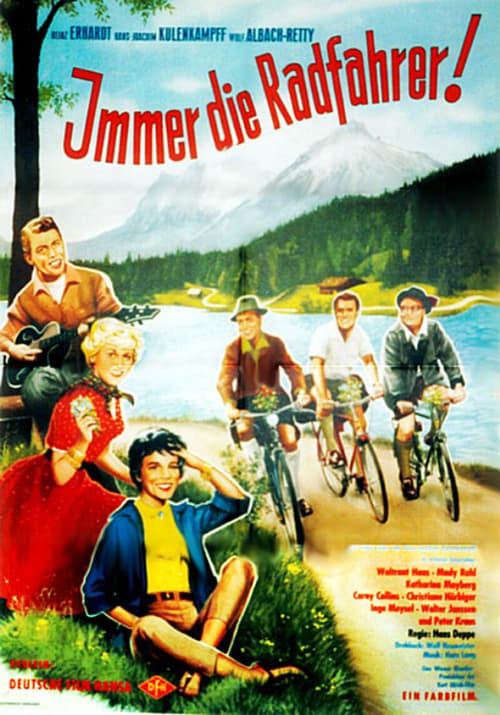
1958
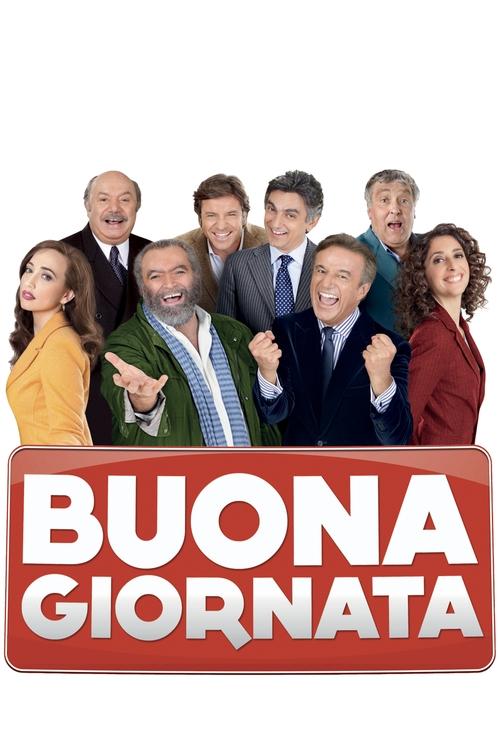
2012
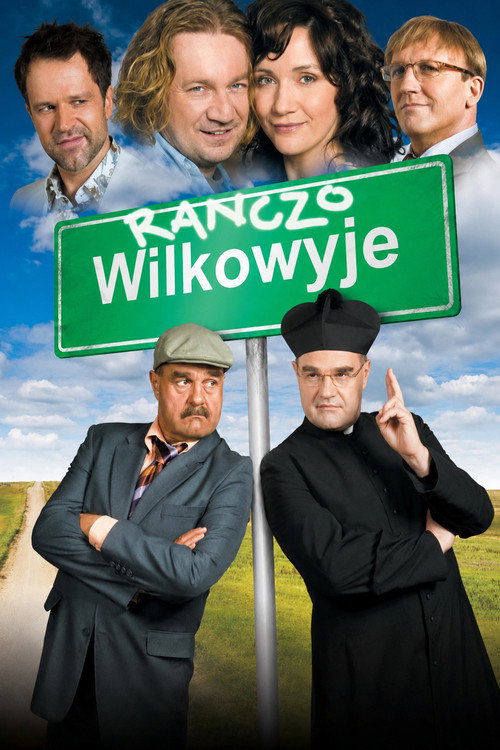
2007
1964
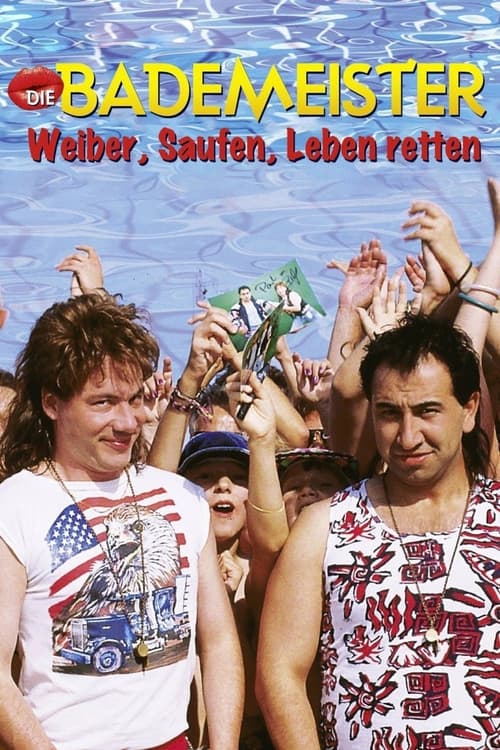
1999
No reviews yet. Be the first to share your thoughts on this movie!
Use the rating form above to leave a star rating and optional review.