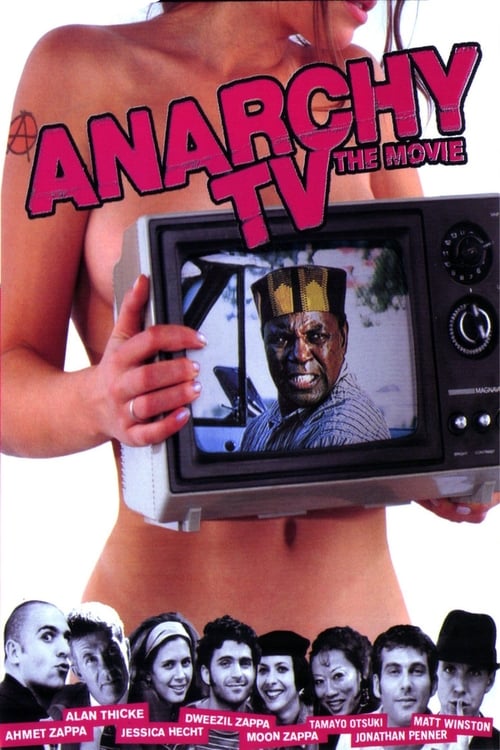
Anarchy TV
1998
No user ratings available yet
Representation score: 8.4 out of 10
Representation Score
Fair
2012
Director
Michel Leclerc
Runtime
112 minutes
Average Rating
No ratings yetNew Showbiz Analysis
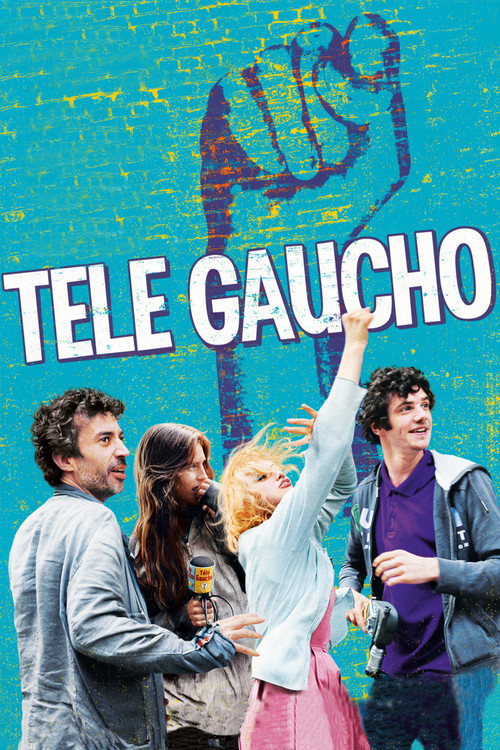
Pirate TV is a study of institutional disruption, centering on a youth subculture fighting against the rigidity of mainstream media. The film's strength lies in its cultural framing, which critiques established authority and celebrates decentralized, anarchic ability to act. However, the narrative lacks specific details regarding disability representation and provides limited clarity on explicit LGBTQ+ identities. While the ensemble appears diverse, the film's focus remains primarily on ideological rebellion rather than specific identity politics. Ultimately, the film succeeds as a critique of conformist systems, using a multi-ethnic, non-conformist group to challenge the status quo of the broadcasting industry.
Category Breakdown
The film explores interpersonal relationships and thwarted love within an anarchic social circle. While specific identities aren't explicitly detailed, the non-conformist lifestyle suggests a departure from the assumption that everyone is straight or cisgender.
Characters like Yasmina and Clara are central to a media revolution. This focus on collective ability to act suggests a challenge to traditional, passive gender roles and professional hierarchies.
The presence of characters like Adonis points toward a multi-ethnic ensemble. The film presents a blended social group rather than a homogeneous depiction of French society.
The narrative celebrates anti-establishment rebellion against reactionary media institutions. It prioritizes subjective morality and the disruption of traditional Western systemic order.
There is no evidence regarding the inclusion or portrayal of characters with visible or invisible disabilities.
Present on Screen
Limited or Absent
Official Synopsis
It all began when camcorders replaced cameras. Making TV programs then became within everyone's reach. Jean-Lou, Yasmina, Victor, Clara, Adonis, and the others didn't only want to create their own television channel, they above all wanted to make a revolution. Thus Télé Gaucho was born, as anarchic and provocative as the main channels were conformist and reactionary. Five years of mayhem, brutal pirate TV demonstrations, drunken parties, and thwarted love.. And that was my idyllic interlude.
1998

2011
1997

1966
2000
2003
2004
2009
No reviews yet. Be the first to share your thoughts on this movie!
Use the rating form above to leave a star rating and optional review.