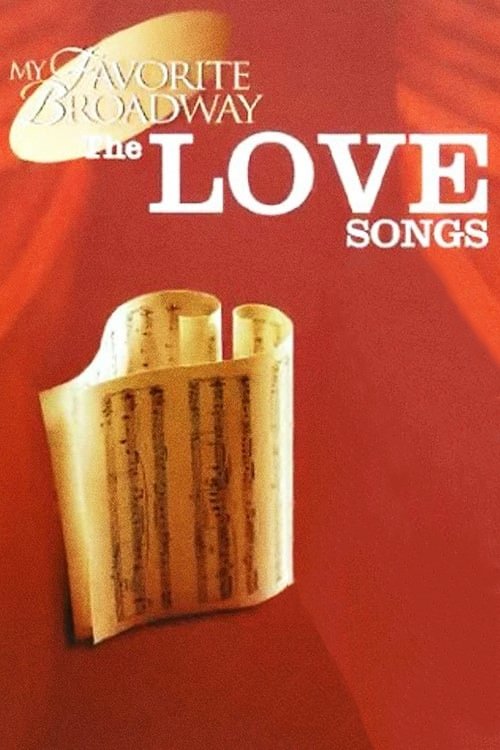
My Favorite Broadway: The Love Songs
2001
No user ratings available yet
Representation score: 4.0 out of 10
Representation Score
Limited
2006
TV-GDirector
David Horn
Runtime
120 minutes
Average Rating
No ratings yetNew Showbiz Analysis
This concert production serves as a historical critique, using its period setting to address systemic inequalities. It effectively highlights the dismantling of racial hierarchies and social prejudices. However, it remains confined to traditional romantic dynamics and lacks representation for LGBTQ+ and disabled individuals. The focus is primarily on mid-century social tensions rather than a diverse range of identities. Ultimately, the production offers a sophisticated examination of historical prejudice while adhering to the limitations of its era’s character archetypes.
Category Breakdown
The production does not include any LGBTQ+ characters or storylines. All romantic relationships are between heterosexual couples, with no hints of queer relationships.
Though based on 1940s stereotypes, the character of Nellie Forbush shows psychological depth. She resists traditional submissive roles, adding complexity to her character.
The story highlights racial prejudice and challenges Anglo-centric norms. It focuses on the tension caused by interracial relationships and dismantles social hierarchies.
The work examines mid-century Western social norms by highlighting cultural clashes. It avoids relying solely on religious morality, emphasizing the complexities of wartime experiences.
The production does not feature any prominent characters with physical, sensory, or neurodivergent disabilities. There are no plot devices centered around characters with disabilities.
Present on Screen
Limited or Absent
Official Synopsis
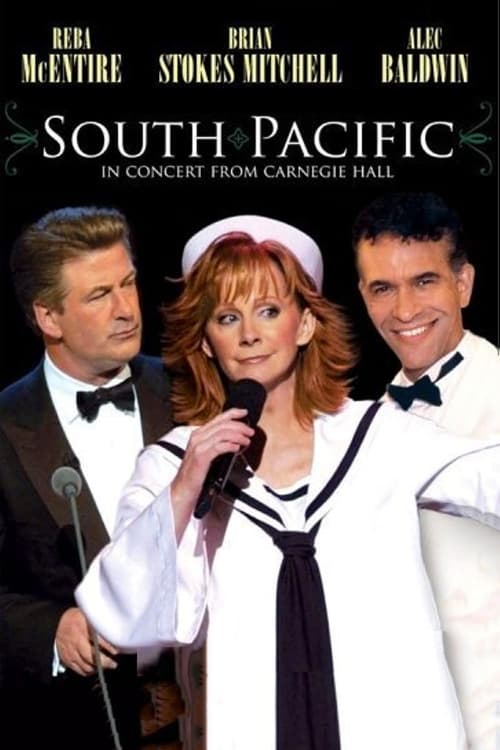
“SOUTH PACIFIC” IN CONCERT FROM CARNEGIE HALL premiered on April 26, 2006 on PBS. Based on James Michener’s Pulitzer Prize-winning collection of short stories TALES OF THE SOUTH PACIFIC, Rodgers & Hammerstein’s own Pulitzer Prize-winning blockbuster was a landmark of post-World War II Broadway, a provocative romantic drama that beguiled audiences with a hit parade of instant standards. “South Pacific” reached new heights when, for one enchanted evening, Carnegie Hall presented a magnificent concert production with a dream cast headed by Reba McEntire, Brian Stokes Mitchell, Jason Danieley, Lillias White, and Alec Baldwin. Directed for the concert stage by Walter Bobbie, with musical director Paul Gemignani conducting the Orchestra of St. Luke’s.
2001
1958
1995
2004
1944
2025
2006
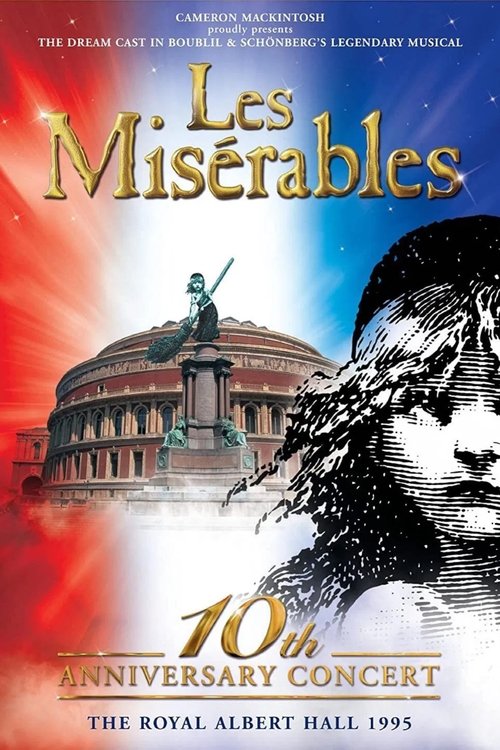
1995
No reviews yet. Be the first to share your thoughts on this movie!
Use the rating form above to leave a star rating and optional review.