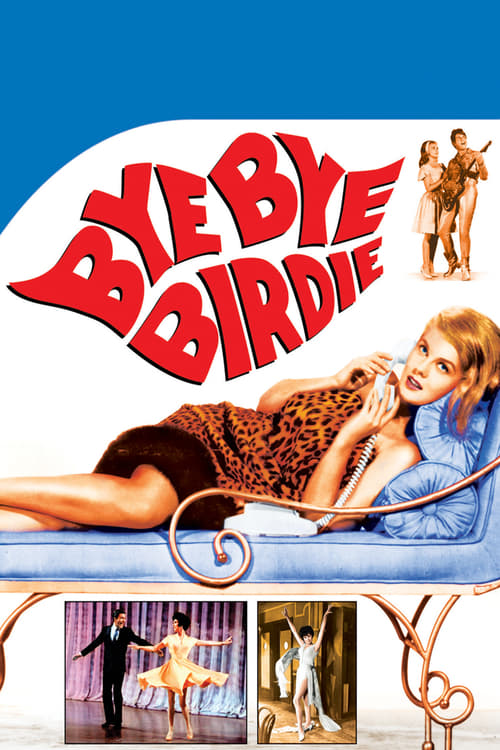
Bye Bye Birdie
1963
No user ratings available yet
Representation score: 1.0 out of 10
Representation Score
Limited
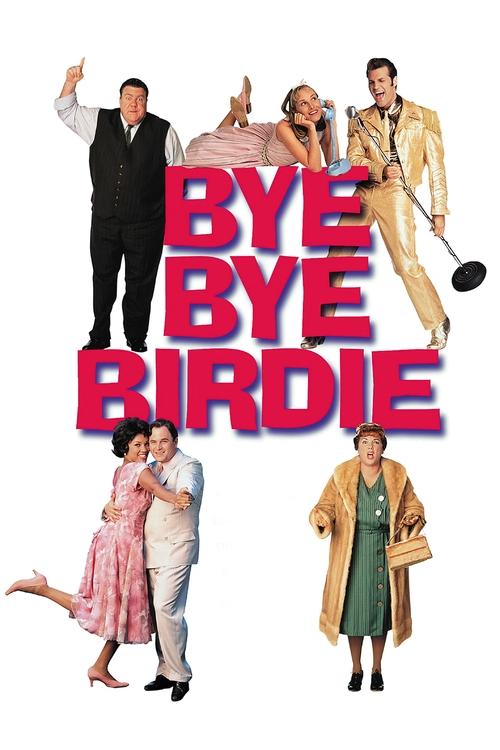
1995
Not RatedDirector
Gene Saks
Runtime
131 minutes
Average Rating
No ratings yetNew Showbiz Analysis
This 1995 musical revival primarily serves as a nostalgic look at mid-century pop culture. While it updates the demographic makeup through casting, it remains anchored in the social frameworks of the 1950s and 60s. The production leans heavily on traditional romantic clichés and gender hierarchies. The central conflict revolves around a male rock star, with female characters often playing supporting roles. Overall, the film prioritizes the celebratory spirit of the era over any contemporary deconstruction of cultural norms or systemic hierarchies.
Category Breakdown
The story centers on heterosexual relationships and does not include any LGBTQ+ representation or non-cisgender identities. There is no depiction of same-sex intimacy or non-binary gender identities.
Vanessa Williams plays a central role, but the character dynamics often follow traditional gender hierarchies. Female characters have significant roles but are mostly defined by their relationships with the male lead.
Casting Vanessa Williams in a leading role marks a departure from the original 1961 version, providing more racial diversity. However, the narrative does not explore racial identity deeply, focusing instead on color-blind casting.
The film celebrates mid-century American and rock-and-roll culture, emphasizing traditional entertainment and celebrity-fan dynamics. It does not critique Western institutions or traditional family structures.
The film does not address any visible or invisible disabilities. There are no characters defined by neurodivergence or physical impairments within the main storyline.
Present on Screen
Limited or Absent
Official Synopsis
In 1995, ABC presented a telemovie version of the Broadway musical Bye Bye Birdie produced by RHI Entertainment. It starred Seinfeld's Jason Alexander and Vanessa Williams of Desperate Housewives. While this version remained mostly faithful to the original musical (Michael Stewart remains the only credited author of this version), several songs were added and re-arranged, and dialogue was slightly rewritten to smoothly facilitate the musical changes. The musical revolves around an Elvis Presley-type rocker who's about to join the Army. To mark the occasion, his manager's secretary arranges for him to kiss a random fan goodbye on The Ed Sullivan Show. Bye Bye Birdie earned four Tony awards in 1961, including Best Musical and Best Actor in a Musical for its original star, Dick Van Dyke. In addition to Alexander and Williams, ABC's production starred Tyne Daly, George Wendt, Chynna Phillips and Mark Kudisch.
1963
1954

1985
1958
1978
1969
2006
1982
No reviews yet. Be the first to share your thoughts on this movie!
Use the rating form above to leave a star rating and optional review.