
Secret Agent Fireball
1965
No user ratings available yet
Diversity score: 3.2 out of 10
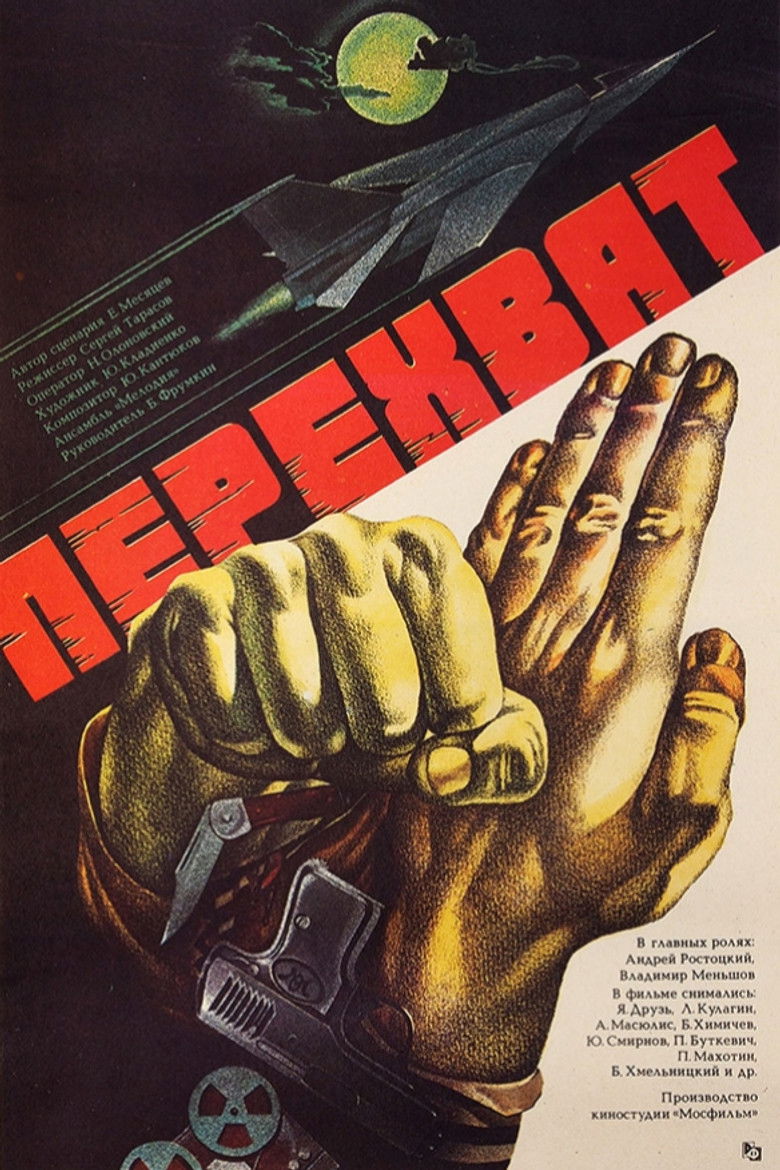
1986
Director
Sergei Tarasov
Runtime
87 minutes
Average Rating
No ratings yetSynopsis
A top American spy is in charge of a delicate mission. The USA plans to infiltrate several U-boats in the sea of Vladivostok, however they need the soviet surveillance satellite to stay 'blind' for a couple of hours, so this spy is sent to damage the antenna for the satellite. Everything was planned accurately. But the CIA never counted on the relentless pursuit of a frontier guard who sees the spy's parachute on landing.
Overall Score
Limited
Category Breakdown
LGBTQ+ Representation
The film operates within a traditional, heteronormative framework. There is no evidence of queer narratives or non-heteronormative identities present in the story.
Gender Representation
The narrative centers on a high-stakes pursuit between a male spy and a male guard. It reinforces traditional masculine archetypes without showing female characters with significant agency.
Racial & Ethnic Diversity
The story presents a binary geopolitical conflict between the United States and the Soviet Union. It focuses on nationalistic opposition rather than multicultural or intersectional blending.
Religious & Cultural Diversity
The film reinforces the sanctity of the Soviet state and its defensive capabilities. It functions as a critique of Western interventionism rather than exploring progressive cultural themes.
Disability Representation
There is no mention of characters with physical or neurodivergent disabilities. The plot focuses strictly on the physical capabilities required for espionage and pursuit.
Strengths
Areas for Improvement
AI Analysis
Interception is a product of its 1980s Cold War context, prioritizing state-sanctioned ideological frameworks over social complexity. The narrative architecture focuses on national sovereignty and the defense of borders, which limits the scope for diverse character exploration. The film relies on traditional action-adventure tropes, emphasizing physical prowess and military vigilance. This results in a narrow focus on masculine archetypes and a binary geopolitical struggle that lacks intersectional depth. Ultimately, the film reinforces conventional social hierarchies and state-centric narratives. It serves as a genre piece designed to uphold specific geopolitical tensions rather than challenge or expand social representation.
1965

1982

1966
1979
1988
1984
1989
1968

1972

1991

1999

1994
No reviews yet. Be the first to share your thoughts on this movie!
Use the rating form above to leave a star rating and optional review.