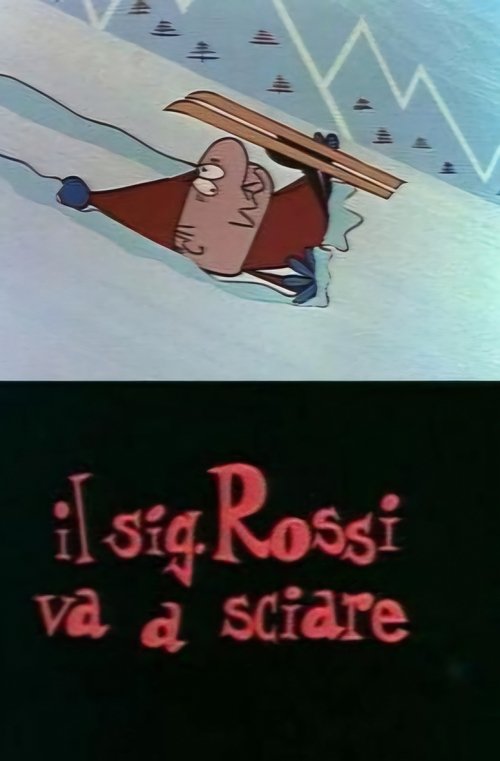
Mr. Rossi Goes Skiing
1963
No user ratings available yet
Representation score: 1.6 out of 10
Representation Score
Limited
1963
Director
Bruno Bozzetto
Runtime
4 minutes
Average Rating
No ratings yetNew Showbiz Analysis
Set during a transitional period in animation history, the film adheres to the social norms of 1963. Despite lacking specific data on diverse representation, the director's history of satire hints at a potential to disrupt conventional expectations of institutional authority. However, the film remains confined by the homogeneity of its time. Without detailed character information, the work seems to rely on traditional archetypes and social constraints. Ultimately, the film's strength lies in its use of allegory to challenge traditional power structures, rather than reinforcing existing hierarchies.
Category Breakdown
The film does not show any characters with non-binary genders or LGBTQ+ identities. There is no information confirming any LGBTQ+ representation.
The film likely follows traditional gender roles typical of mid-century animation. It does not provide evidence of strong female characters or challenges to male dominance.
The story reflects the homogeneous society of 1963 Europe. There is no indication of diverse casting or intentional blending of different backgrounds.
The film likely uses satire to criticize established institutions. It may employ allegory to mock rigid systems and traditional authority.
There is no information about the portrayal of neurodivergence or physical disabilities in this film.
Present on Screen
Limited or Absent
1963
1964
1966
1965
1944
1968
1970
1988
No reviews yet. Be the first to share your thoughts on this movie!
Use the rating form above to leave a star rating and optional review.