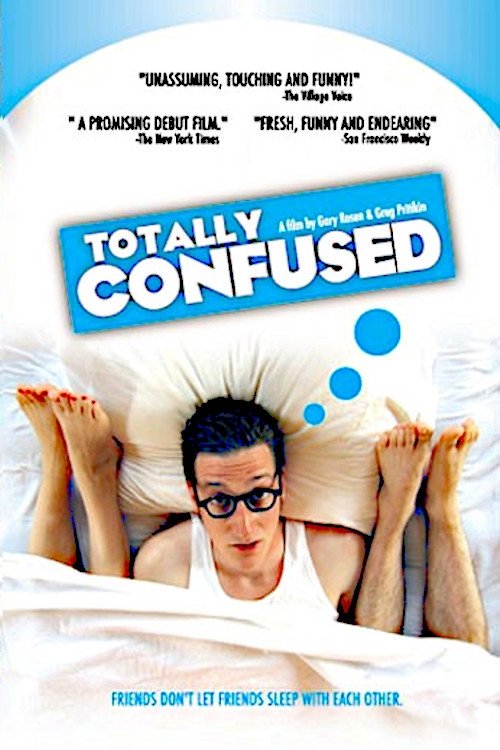
Totally Confused
1998
No user ratings available yet
Representation score: 3.0 out of 10
Representation Score
Limited
1999
RDirector
Paul Todisco
Runtime
90 minutes
Average Rating
No ratings yetNew Showbiz Analysis
While the film features dialogue that challenges traditional views on relationships and capitalism, it maintains a conventional narrative centered around a male protagonist. The diversity in the film is limited to its verbal engagement with LGBTQ+ themes. However, the lack of racial or ethnic diversity and the absence of female characters with independent roles highlight the film's shortcomings. Additionally, there is no representation of disabilities or neurodivergent identities.
Category Breakdown
The film includes dialogue that challenges traditional views on sexuality and relationships. One character suggests that lesbian relationships can enhance storytelling, promoting a more inclusive perspective.
The story revolves around a male protagonist's personal struggles. Female characters, such as an ex-girlfriend and a co-worker, are mainly defined by their connections to the male lead.
The narrative focuses on a localized setting with a likely homogeneous cast. There is no indication of racial diversity or varied cultural backgrounds within the story.
The film questions traditional success metrics and capitalist ideals. It emphasizes individual morality over established social or religious norms through philosophical discussions.
There is no information available regarding the depiction of physical, neurodivergent, or mental health conditions in this work.
Present on Screen
Limited or Absent
Official Synopsis
Dave Keenan left Syracuse for a new life in Arizona. When that didn't work out, he moved back to upstate New York. He works a dead-end job at a department store in a mall, his car has broken down (and the mechanic is taking forever to fix it) and his ex-girlfriend wants him to join her in New York City. To make matters more complicated, one of his co-workers, a high school girl named Nichole seems to be getting romantically interested in him. Fortunately, his best friend Freakis around for him to hang out with and offer such choice philosophical observations, like "I can't think of a single movie that couldn't be improved by a lesbian sex scene." Dave is stuck in a rut and has to decide what to do with his life.
1998

2000
1998

1995

2012
1999
1998

2021
No reviews yet. Be the first to share your thoughts on this movie!
Use the rating form above to leave a star rating and optional review.