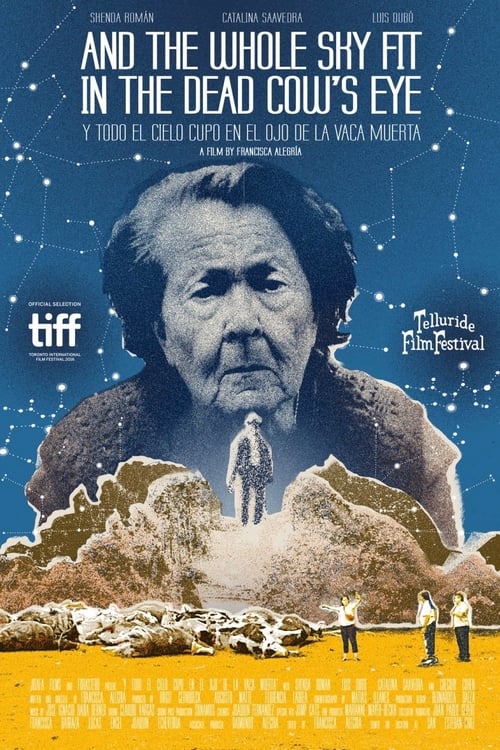
And the Whole Sky Fit in the Dead Cow's Eye
2016
No user ratings available yet
Representation score: 5.8 out of 10
Representation Score
Limited
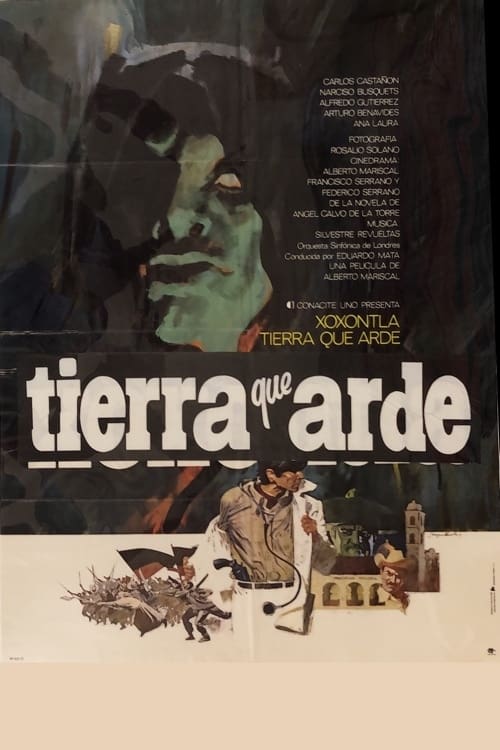
1978
Director
Alberto Mariscal
Runtime
105 minutes
Average Rating
No ratings yetNew Showbiz Analysis
Alberto Mariscal’s *Xoxontla* is a culturally specific film that diverges from Anglo-centric storytelling norms. By focusing on Mexican actors and localized perspectives, the film offers authentic regional representation. However, the narrative seems confined by the traditional social and moral norms of its time. It likely adheres to conventional gender hierarchies and lacks representation of LGBTQ+ identities or disabilities. Ultimately, the film’s strength lies in its ethnic and regional authenticity, though it operates within the conventional social frameworks of 1970s Mexican genre cinema.
Category Breakdown
The film does not include any explicit representations of LGBTQ+ identities or non-assuming gender matches what was assigned at birth gender roles. It follows the traditional interpersonal dynamics common in 1978 Mexican genre cinema.
Ana Laura Maldonado plays a central role, but it is unclear whether the film challenges traditional gender hierarchies or reinforces the secondary roles typically given to women in the period.
With a predominantly Mexican cast, the film focuses on non-Anglo-Saxon perspectives and regional ethnic identity, moving away from Western-centric storytelling norms.
The film incorporates local folklore and non-Western traditions through its mystery and fantasy elements, aligning with the moral and social norms of 1970s Mexican cinema.
There is no documented evidence of the portrayal of physical or neurodivergent disabilities in the film.
Present on Screen
Limited or Absent
2016

1968

1972
1987
1979
1978
2022
1980
No reviews yet. Be the first to share your thoughts on this movie!
Use the rating form above to leave a star rating and optional review.