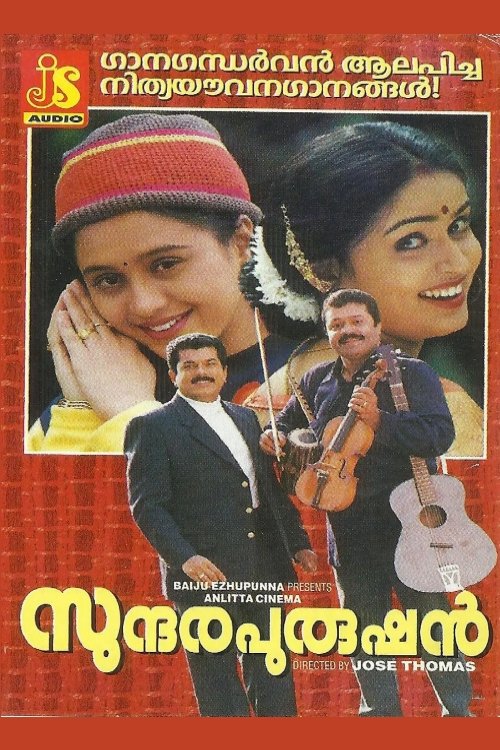
Sundarapurushan
2001
No user ratings available yet
Representation score: 3.6 out of 10

Representation Score
Limited
1991
Director
Priyadarshan
Runtime
155 minutes
Average Rating
No ratings yetNew Showbiz Analysis
Kilukkam is a quintessential example of early 1990s commercial comedy, prioritizing entertainment and cultural authenticity over social deconstruction. While it successfully captures a specific regional identity, it functions to reinforce rather than disrupt the social norms of its era. The film relies heavily on traditional archetypes. While the female lead possesses a clear objective, the narrative structure remains anchored in male-centric experiences and conventional romantic pursuits. Ultimately, the film's use of disability as a comedic tool and its adherence to straight-centered structures limit its engagement with diverse identity-based hierarchies.
Category Breakdown
The film operates within a conventional framework that assumes everyone is straight or cisgender. It lacks LGBTQ+ characters, non-cisgender identities, or any exploration of queer intimacy.
Nandini plays a significant role in driving the story through her search for her father, yet her arc is tied to comedic deception. The narrative remains centered on male protagonists and traditional gender roles.
The cast and setting reflect a culturally authentic Malayali landscape. It avoids whitewashing by leaning into a localized, homogeneous identity suitable for its comedic context.
The story emphasizes familial connections and social standing without critiquing institutions. Religion and social structures serve as stable backdrops for situational humor rather than targets for subversion.
Mental instability is used primarily as a plot device for comedic effect and shelter-seeking. This approach treats neurodivergence as a narrative convenience rather than a study of lived experience.
Present on Screen
Limited or Absent
Official Synopsis
Nandini is an illegitimate child who comes to Ooty in search of her father. She meets Joji, a tourist guide, and pretends to be mentally unstable in order to get shelter in his house.
2001
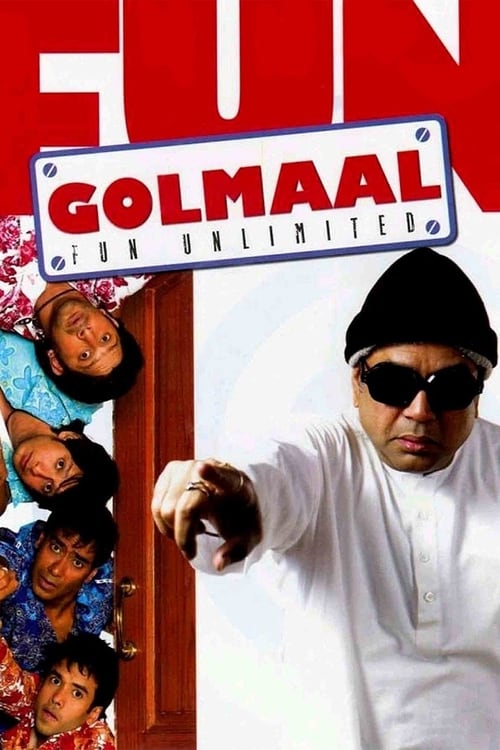
2006

2013

2003

1994

2017
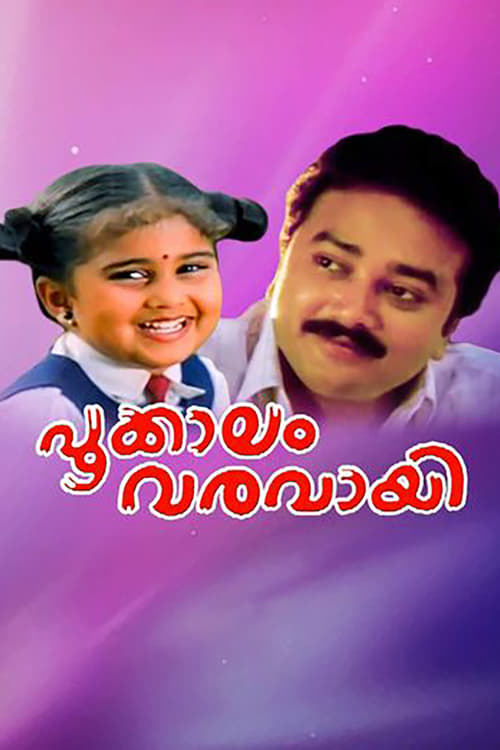
1991
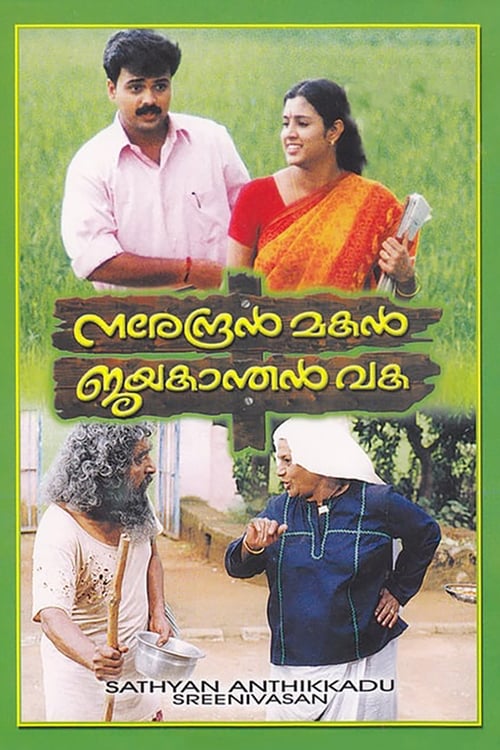
2001
No reviews yet. Be the first to share your thoughts on this movie!
Use the rating form above to leave a star rating and optional review.