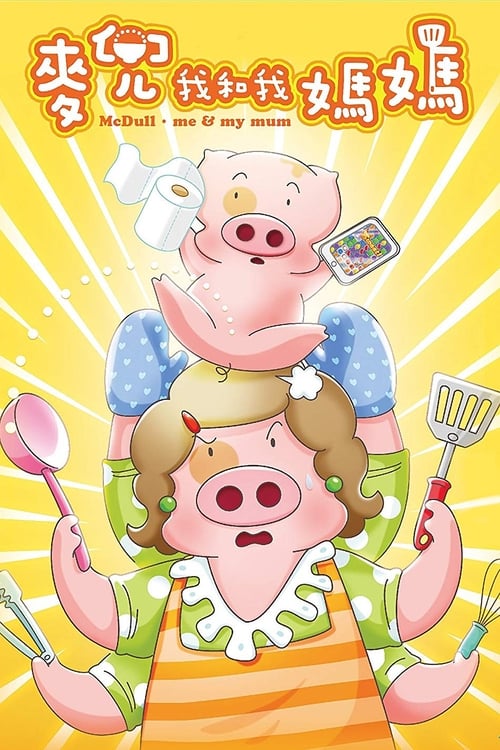
McDull: Me & My Mum
2014
No user ratings available yet
Representation score: 6.8 out of 10
Representation Score
Fair
2009
Director
Brian Tse
Runtime
80 minutes
Average Rating
No ratings yetNew Showbiz Analysis
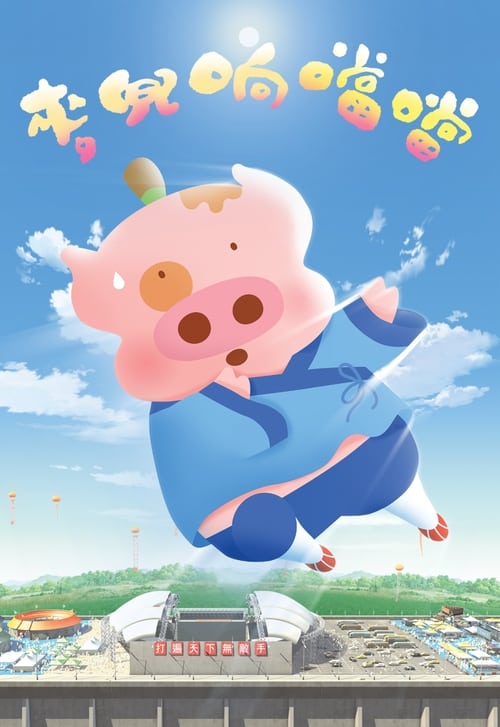
McDull, Kung Fu Kindergarten succeeds in subverting the typical martial arts hero cliché by centering a protagonist who lacks physical dominance. By framing McDull's weight and lack of agility through a lens of empathy, the film offers a meaningful representation of characters who do not meet standard competitive archetypes. However, the film remains limited in its engagement with broader identity politics. The absence of LGBTQ+ representation and the lack of significant women's ability to drive the story prevent a higher diversity score. The narrative stays within a relatively narrow social structure focused on childhood development. Ultimately, the film's strength lies in its ability to use anthropomorphic characters to explore universal themes of expectation and individuality. It provides a nuanced look at how children navigate systemic pressures without relying on traditional clichés of physical excellence.
Category Breakdown
The film focuses entirely on the developmental experiences of a kindergarten group. There are no LGBTQ+ characters or narratives addressing non-straight or non-cisgender identities.
McDull disrupts traditional masculine archetypes by being portrayed as vulnerable and physically inadequate. However, the film lacks significant women's ability to drive the story or subversion of traditional gender roles.
Using anthropomorphic animals allows the film to bypass traditional human racial hierarchies. The setting provides a non-Western framework for the story's progression.
The narrative presents a localized, non-Western perspective on education. It avoids singular religious morality, focusing instead on the secular realities of childhood and institutional pressure.
McDull’s physical traits, such as being overweight and slow, are treated with empathy rather than mockery. This gives him a significant role in the story despite his physical differences.
Present on Screen
Limited or Absent
Official Synopsis
As the 18th descendant of an extremely insignificant philosopher and inventor from ancient China, McDull is fortunate that he does not have a lot to live up to. However, his mother has higher aspirations for him and decides to send him to a martial arts school in China. Overweight and slow on his feet, McDull is the last of his classmates to run away when the headmaster needs to choose someone to represent the school in an international children's martial arts competition.
2014
2004

2001

2011
2013
2017
2018
2009
No reviews yet. Be the first to share your thoughts on this movie!
Use the rating form above to leave a star rating and optional review.