
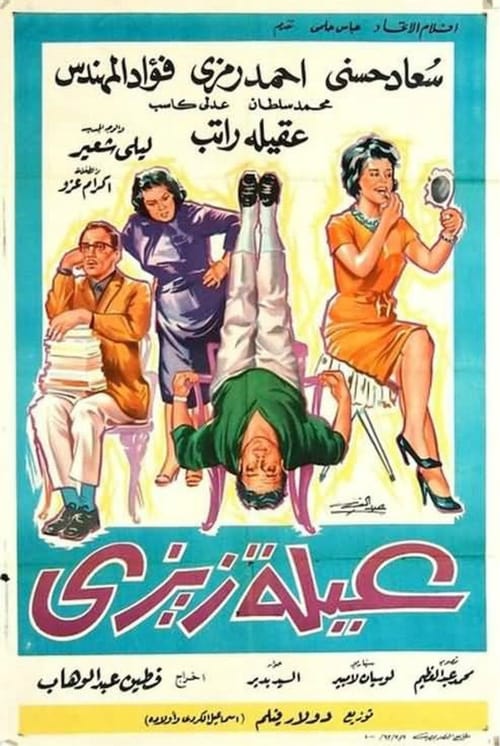
I, He and She
1964
No user ratings available yet
Representation score: 3.0 out of 10
Representation Score
Fair
1963
Director
Fatin Abdel Wahab
Runtime
101 minutes
Average Rating
No ratings yetNew Showbiz Analysis
Aaela Zeze captures the tension between traditional social structures and the modernizing influences of early 1960s Egypt. It functions as a character study of a middle-class family navigating significant societal changes. The film's strength lies in its portrayal of a changing social class. By focusing on the domestic sphere, it explores individual aspirations and the unique characteristics of a modernizing urban population. However, the work remains limited by the era's social norms. It lacks depth in representing various aspects of identity and does not include non-traditional gender narratives or diverse disability portrayals.
Category Breakdown
The film follows the social norms of 1963 Egypt, focusing on traditional romantic and familial relationships without any known non-straight or non-cisgender identities.
By centering a modern middle-class family, the film likely gives female characters a significant role in both domestic and romantic situations. This offers a nuanced look at women navigating modern social roles.
The cast is ethnically uniform, reflecting a domestic Egyptian production. It serves as a vital representation of Egyptian middle-class identity rather than diverse backgrounds.
The narrative breaks away from traditional family dynamics by highlighting unique and non-conventional family dynamics. It emphasizes personal dreams and loves over strict religious or state-centric mandates.
There is no specific evidence regarding the portrayal of physical or neurodevelopmental disabilities in the film's narrative.
Present on Screen
Limited or Absent
Official Synopsis
The everyday lives, loves and dreams of a slightly kooky modern middle-class Egyptian family in the early 1960's.
1964

1952

2008

1977

2000
1958
1954

1960
No reviews yet. Be the first to share your thoughts on this movie!
Use the rating form above to leave a star rating and optional review.