
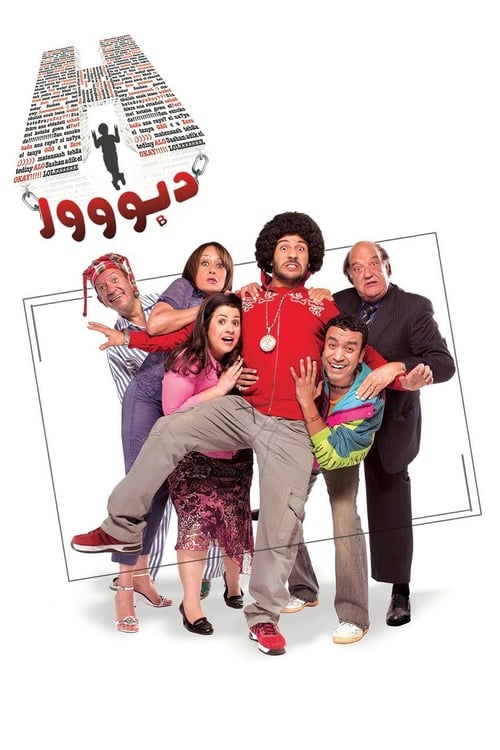
Ramy the Protester
2008
No user ratings available yet
Representation score: 3.5 out of 10
Representation Score
Fair
2008
Director
Ahmed El Gendy
Runtime
106 minutes
Average Rating
No ratings yetNew Showbiz Analysis
H Dabbour operates as a socioeconomic satire that uses a character arc to bridge the gap between Egypt's elite and working classes. While it lacks representation for LGBTQ+ identities or disability, it successfully uses class conflict to challenge social hierarchies. The film's strength lies in its critique of superficiality and its focus on the lived realities of the working class. However, the narrative remains bound by conventional romantic structures and traditional social roles.
Category Breakdown
The film does not include any LGBTQ+ characters or narratives. The romantic storyline focuses solely on a traditional relationship between the protagonist and a woman from a different social class.
Gender dynamics revolve around a female character from the working class who serves as a moral guide. She drives the male lead's transformation from superficiality to social responsibility.
The narrative emphasizes socioeconomic differences rather than racial or ethnic identity. Diversity is shown through the interaction between Egypt's elite and working-class populations.
The film uses satire to criticize the struggles of the Egyptian working class. It highlights the systemic issues faced by the underrepresented by deconstructing the superiority of the elite.
There are no visible or invisible disabilities depicted as central to the story's plot or character development.
Present on Screen
Limited or Absent
Official Synopsis
Film is in the form of satire, movie review the crises facing the Egyptian people, particularly the suffering of the popular classes . Belongs "Haitham Daboor" Ahmed Mekki, a rich family, cares about trivial matters Fashion and multiple love relationships, but it is exposed to a variable in his life and his father is an entry prison on charges of false tries to save his father, Haitham, which leads him to shift from one person to another measly serious and committed and engaged seriously with life, and in the context of the events is in love with Haitham "Aroah", the daughter of his driver, a girl from the popular
2008
2000

2002
1963

2012

1964

2014

2015
No reviews yet. Be the first to share your thoughts on this movie!
Use the rating form above to leave a star rating and optional review.