Image Makers: The Adventures of America's Pioneer Cinematographers
2019
No user ratings available yet
Representation score: 3.2 out of 10
Representation Score
Limited
1992
Director
Arnold Glassman, Stuart Samuels, Todd McCarthy
Runtime
92 minutes
Average Rating
No ratings yetNew Showbiz Analysis
Visions of Light is a technical study of cinematography that emphasizes the evolution of lighting and composition over social issues. Since the film is focused on the history of visual techniques, its portrayal reflects the periods it covers rather than an intentional exploration of diversity. The documentary effectively showcases the visual transformations of the 20th century through various film clips. However, it does not offer a framework for social critique, concentrating instead on the mastery of the camera and the history of the studio system. Overall, the film serves as a record of technical advancements. It captures the evolving aesthetics of cinema but remains rooted in the historically male-dominated and predominantly white traditions of the film industry.
Category Breakdown
The documentary focuses more on technical aspects than on the personal identities of individuals. It does not specifically highlight LGBTQ+ narratives or non-binary gender identities.
The film reflects the historical dominance of men in cinematography. It does not provide a detailed critique of gender hierarchies or the roles of female cinematographers.
Diversity in the film is a result of its broad timeline. It includes films like Do the Right Thing but still emphasizes Western studio traditions.
The film maintains a neutral, academic perspective on cultural elements. It highlights the evolution of cinematic techniques without critiquing systemic power structures or traditional institutions.
Disability is not a primary theme or subject of specific analysis in the technical framework of the film.
Present on Screen
Limited or Absent
Official Synopsis
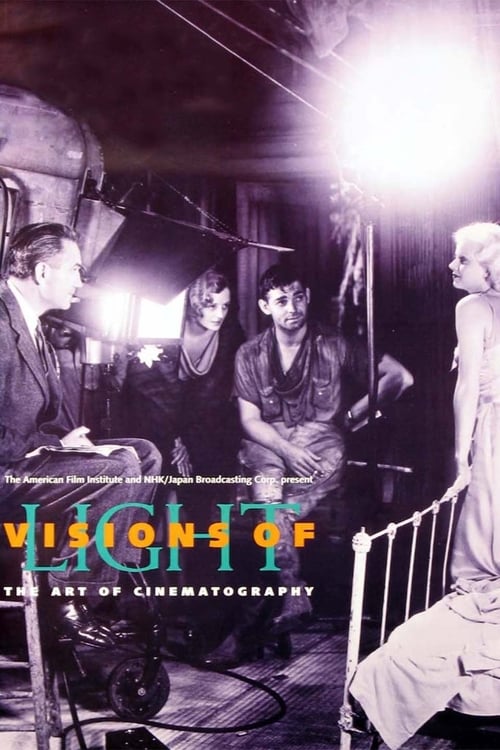
Cameramen and women discuss the craft and art of cinematography and of the "DP" (the director of photography), illustrating their points with clips from 100 films, from Birth of a Nation to Do the Right Thing. Themes: the DP tells people where to look; changes in movies (the arrival of sound, color, and wide screens) required creative responses from DPs; and, these artisans constantly invent new equipment and try new things, with wonderful results. The narration takes us through the identifiable studio styles of the 30s, the emergence of noir, the New York look, and the impact of Europeans. Citizen Kane, The Conformist, and Gordon Willis get special attention.
2019
2004
2019
1995
2024
2012
2017
1997
No reviews yet. Be the first to share your thoughts on this movie!
Use the rating form above to leave a star rating and optional review.