
Syngenor
1990
No user ratings available yet
Representation score: 3.0 out of 10
Representation Score
Good
1991
Director
Tomoo Haraguchi
Runtime
73 minutes
Average Rating
No ratings yetNew Showbiz Analysis
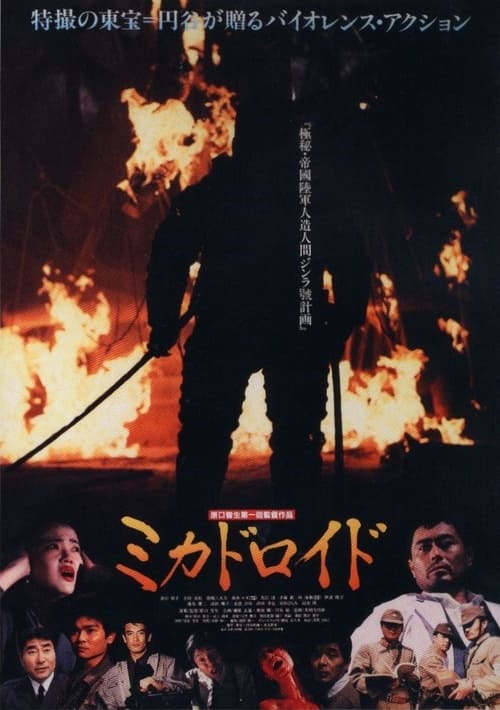
Mikadroid: Robokill Beneath Disco Club Layla is a culturally specific genre film that shifts the sci-fi lens away from Western dominance. By grounding the narrative in Japanese history and the rebuilding of Tokyo, it offers a unique look at technological trauma. However, the film's diversity is inconsistent. It excels in showcasing a Japanese perspective and critiquing Western sci-fi clichés. Yet, it lacks explicit representation of LGBTQ+ characters and neurodivergence. Gender dynamics remain heavily masculine-coded, even with the disco setting. Overall, the film's strength lies in its exploration of the cyborg as a victim of state-driven industrialization, though it sometimes falls into the 'monster' cliché when depicting physical and sensory changes.
Category Breakdown
The film does not explicitly depict LGBTQ+ characters or non-straight relationships. Although the disco setting hints at a space of social fluidity, the narrative emphasizes mechanical and biological transformations.
The story focuses on masculine-coded superhuman soldiers. However, the shift from a strict military structure to the civilian environment of Discoclub Layla presents a chance to challenge traditional gender roles.
The film centers on a Japanese historical perspective, breaking the Western-centric super-soldier cliché. It explores the blend of national identity and technology within a non-Western context.
The narrative critiques Western sci-fi themes by focusing on the aftermath of WWII in Tokyo. It contrasts the state-driven military morality with the secular, hedonistic atmosphere of 1990s disco culture.
The cyborg identity symbolizes physical changes and loss of natural autonomy. While it challenges conventional views of the body, the character may be framed as a monster due to physical differences.
Present on Screen
Limited or Absent
Official Synopsis
During World War II, the Japanese military established a secret underground laboratory in Tokyo. Three Olympic-level athletes were selected to undergo a process that would turn them into Jinra-go, superhuman armored soldiers. By March 1945, one of the soldiers had been completely transformed into the half man/half machine ultimate soldier called Mikadroid. But American B-29s firebomb the city and, while the two super soldiers manage to escape, Mikadroid and the lab are apparently destroyed. 45 years pass, Tokyo is rebuilt, and old secrets are forgotten. The site is now home to a complex that includes the Discoclub Layla. The disco’s patrons dance late into the night, unaware that a faulty basement generator has reactivated Mikadroid and the cyborg now prowls the basement levels, killing anyone in its path...
1990

1989

1965

1989

1999

1995

2011

1986
No reviews yet. Be the first to share your thoughts on this movie!
Use the rating form above to leave a star rating and optional review.