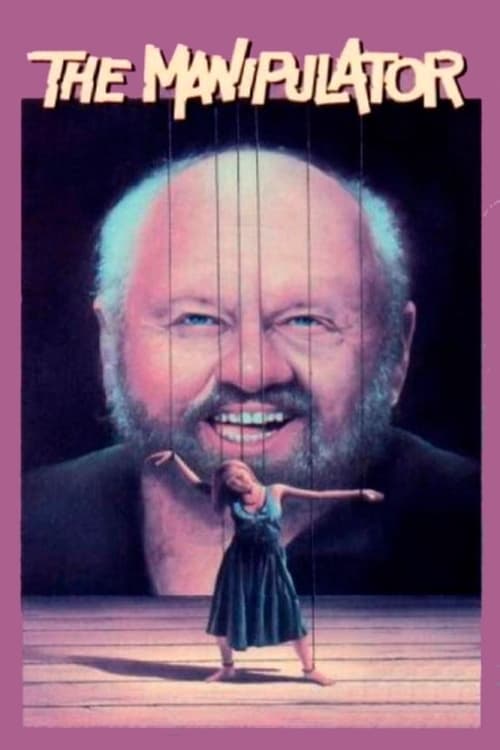
The Manipulator
1971
No user ratings available yet
Diversity score: 2.9 out of 10

1963
PGDirector
Reginald Le Borg
Runtime
96 minutes
Average Rating
No ratings yetSynopsis
Simon Cordier, a French magistrate and amateur sculptor comes into contact with a malevolent entity. The invisible - yet corporeal - being, called a "horla" is capable of limited psychokinesis and complete mind control.
Overall Score
Limited
Category Breakdown
LGBTQ+ Representation
The film lacks any discernible non-cisnormative gender identities or same-sex intimacy. It functions within the traditional social frameworks of 1963 without critiquing heteronormativity.
Gender Representation
The narrative centers on Simon Cordier, a male magistrate in a position of institutional authority. There is no evidence of subverting gender hierarchies or portraying masculinity as inept.
Racial & Ethnic Diversity
Set in a French context, the film reflects a homogeneous European demographic. There is no indication of diverse ethnic ensembles or race-bent casting.
Religious & Cultural Diversity
The story uses the protagonist's status as a legal representative as a baseline for his descent. It does not frame Western institutions as inherently corrupt or oppressive.
Disability Representation
The protagonist undergoes a psychological breakdown that serves the supernatural plot. The depiction leans toward traditional horror tropes of madness rather than a nuanced portrayal of disability.
Strengths
Areas for Improvement
AI Analysis
Diary of a Madman is a product of its era, prioritizing classical psychological horror over intersectional representation. The narrative architecture is rooted in traditional studio conventions, focusing on a singular male protagonist's descent into madness. The film lacks diversity across almost all metrics, reflecting the homogeneous European demographics and social hierarchies of the early 1960s. It relies on established genre tropes rather than deconstructing social norms. While the film explores psychological erosion, it does so through a lens of supernatural horror rather than providing meaningful representation for marginalized groups or diverse identities.
1971
1987

1957
1972
1975
1980
1975
1972
1988
1970
1974
1994
No reviews yet. Be the first to share your thoughts on this movie!
Use the rating form above to leave a star rating and optional review.