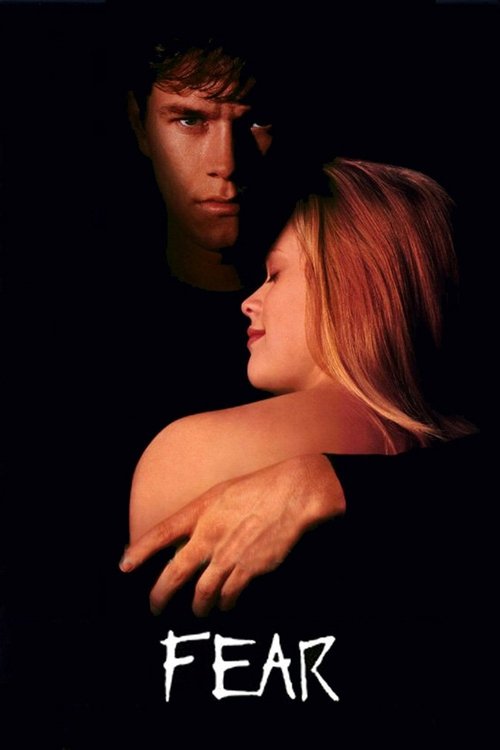
Fear
1996
No user ratings available yet
Representation score: 1.4 out of 10

Representation Score
Limited
1990
RDirector
Curtis Hanson
Runtime
99 minutes
Average Rating
No ratings yetNew Showbiz Analysis
Bad Influence is a psychological character study that prioritizes thematic deconstruction over demographic variety. It excels in subverting social archetypes but falls short in representing a diverse range of racial and physical identities. The film uses the tension between two men to challenge traditional masculine roles and social stability. However, this exploration is limited to subtext and a narrow socioeconomic perspective. Ultimately, the work functions as a postmodern look at identity instability. It disrupts established hierarchies but fails to include a wide range of racial or physical identities.
Category Breakdown
The film uses strong homoerotic undertones to create tension. It challenges traditional expectations but avoids explicitly identifying characters as LGBTQ.
The story breaks down traditional masculine hierarchies. It challenges the cliché of the unbreakable male authority figure by showing a professional who is psychologically vulnerable.
The cast is predominantly white and upper-middle class, with little diversity in ethnicity or background.
The narrative focuses on rejecting social norms and Western institutions. It emphasizes the chaos of an outsider over established professional and legal standards.
The film does not feature any characters with visible or invisible disabilities.
Present on Screen
Limited or Absent
Official Synopsis
Wimpy young executive Michael is about to get pulverized by a jealous boyfriend in a bar when a handsome, mysterious stranger steps in—and then disappears. Later that night, Michael runs into a stranger on a pier, who wheedles his way into Michael's life and turns it upside down.
1996
1976

1995
2000
1987

1990

2015

1983
No reviews yet. Be the first to share your thoughts on this movie!
Use the rating form above to leave a star rating and optional review.