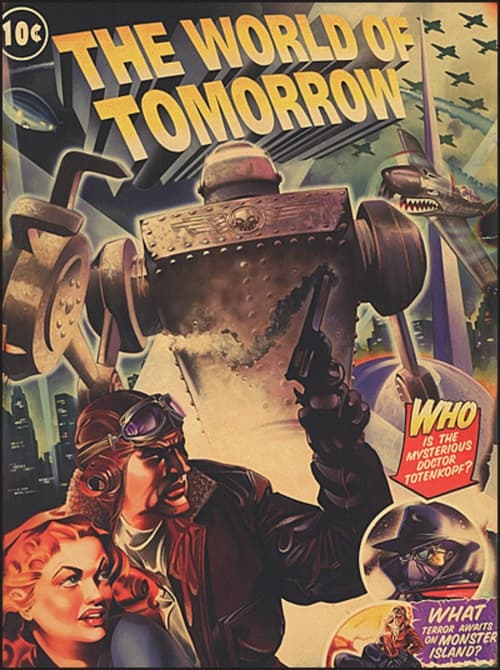
The World of Tomorrow
2005
No user ratings available yet
Representation score: 6.7 out of 10
Representation Score
Limited
2004
PGDirector
Kerry Conran
Runtime
107 minutes
Average Rating
No ratings yetNew Showbiz Analysis
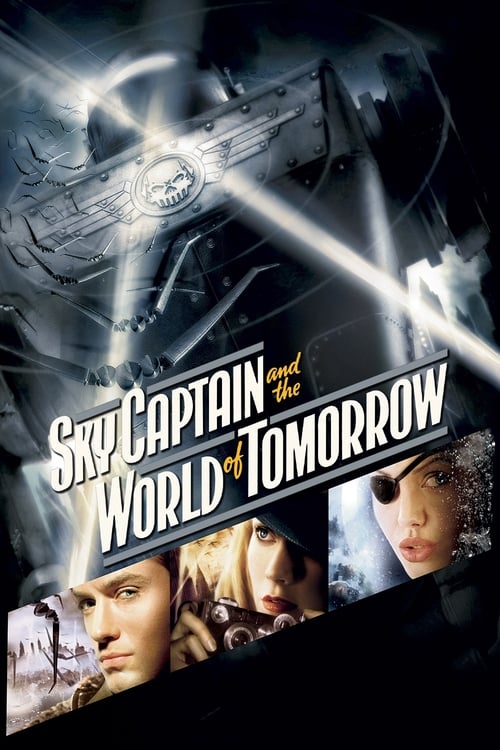
Sky Captain and the World of Tomorrow is a stylistic exercise in retro-futurism that prioritizes historical pastiche over modern social commentary. By emulating the 1930s pulp era, the film naturally adopts the social norms of that period. While the film offers meaningful gender ability to act through Polly Perkins, it remains limited by its commitment to a homogeneous Western aesthetic. The narrative focuses on traditional heroic hierarchies and institutional authority rather than diverse representation. Ultimately, the film's adherence to mid-century serial clichés results in a lack of racial, cultural, and LGBTQ+ diversity, functioning more as a period-accurate stylistic reconstruction than a contemporary social narrative.
Category Breakdown
The film follows traditional heterosexual and cisgender norms typical of the 1930s pulp era. There are no representations of LGBTQ+ identities or same-sex relationships.
Polly Perkins challenges the damsel in distress stereotype by actively participating in the adventure as a primary investigator.
The cast is primarily white, reflecting the mid-century aesthetic of the pulp genre. The film does not include diverse ethnic perspectives or actors from different racial backgrounds.
The story emphasizes Western institutional stability and military authority. It lacks criticism of capitalism or religious structures, focusing instead on a classic morality-driven adventure.
There are no prominent depictions of visible or invisible disabilities. Such elements do not play a central role in the plot.
Present on Screen
Limited or Absent
Official Synopsis
When gigantic robots attack New York City, "Sky Captain" uses his private air force to fight them off. His ex-girlfriend, reporter Polly Perkins, has been investigating the recent disappearance of prominent scientists. Suspecting a link between the global robot attacks and missing men, Sky Captain and Polly decide to work together. They fly to the Himalayas in pursuit of the mysterious Dr. Totenkopf, the mastermind behind the robots.
2005
1989
1998
1979

2013
1982
2009
2009
No reviews yet. Be the first to share your thoughts on this movie!
Use the rating form above to leave a star rating and optional review.