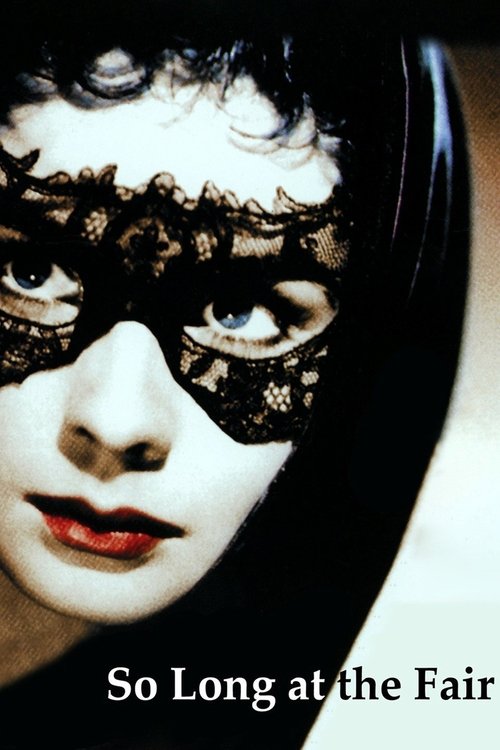
So Long at the Fair
1950
No user ratings available yet
Diversity score: 2.2 out of 10
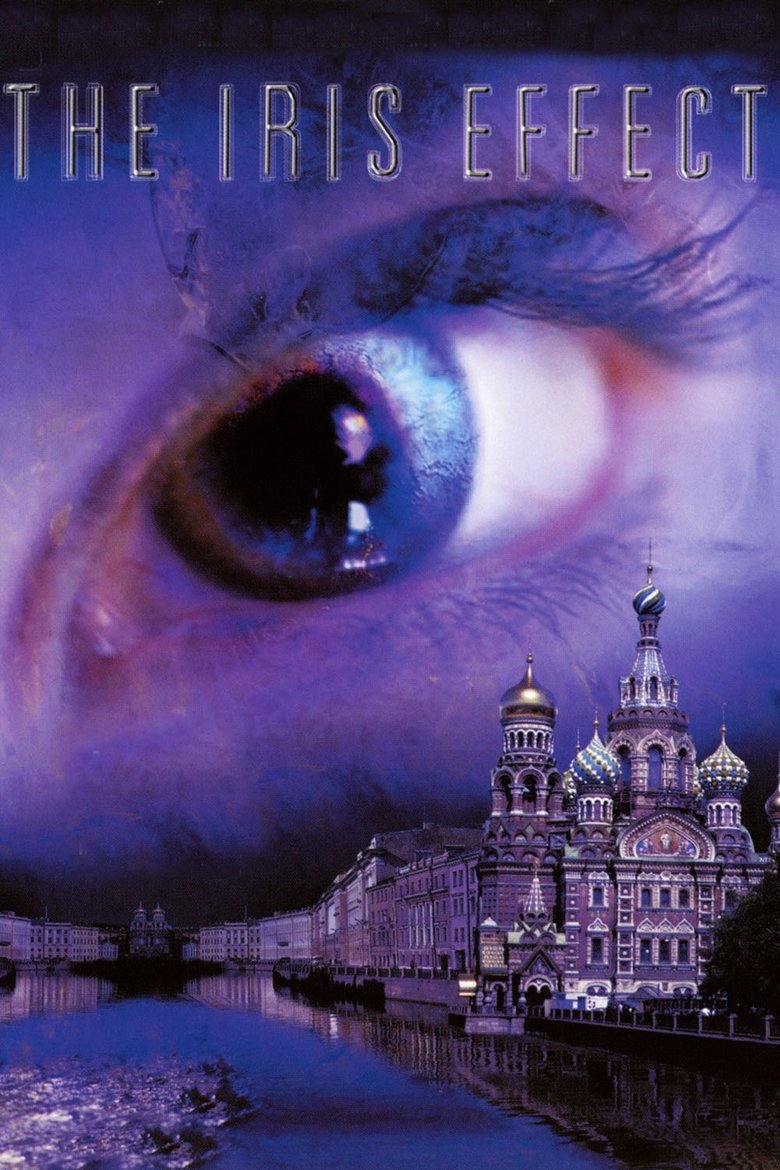
2004
RDirector
Nikolay Lebedev
Runtime
110 minutes
Average Rating
No ratings yetSynopsis
In Los Angeles, Dr. Sarah Hathaway hired private eyes trying to find her missing son, the painter Thomas, who ran away from their home ten years ago after a quarrel with her. She finds a clue in a catalog of a panting exhibition in San Petersburg and she decides to travel alone to Russia to search for Thomas. Once there, she is not able to locate him and she has a nervous breakdown, but with the support of Dr. Ivan and helped by a street boy, she discloses what happened with her son.
Overall Score
Limited
Category Breakdown
LGBTQ+ Representation
The film lacks explicit LGBTQ+ characters or narratives addressing non-cisnormative identities. The plot centers on a traditional maternal search, offering no visible queer subtext.
Gender Representation
Dr. Sarah Hathaway drives the plot through her international journey, showing significant agency. However, her reliance on male figures for resolution and a depicted nervous breakdown suggest conventional gendered tropes.
Racial & Ethnic Diversity
The setting shifts between Los Angeles and Saint Petersburg, providing a cross-cultural backdrop. While a street boy is mentioned, the film focuses on psychological drama rather than ethnic diversity.
Religious & Cultural Diversity
The story explores the breakdown of the nuclear family and personal loss. It operates within a standard mystery framework rather than critiquing specific cultural or religious institutions.
Disability Representation
A nervous breakdown is mentioned, indicating a focus on mental health. However, it is unclear if this is handled with agency or used as a trope for vulnerability.
Strengths
Areas for Improvement
AI Analysis
The Iris Effect is a character-driven mystery that relies heavily on traditional dramatic structures. While it features a proactive female lead, the narrative often reverts to conventional tropes regarding emotional fragility and external male support. The film's international scope provides a sense of cultural movement, yet it lacks a diverse ensemble or a critique of social hierarchies. The focus remains tightly on individual psychological struggles and familial discord. Ultimately, the film does not engage in intersectional storytelling or systemic subversion, functioning instead as a standard thriller centered on personal loss.
No reviews yet. Be the first to share your thoughts on this movie!
Use the rating form above to leave a star rating and optional review.