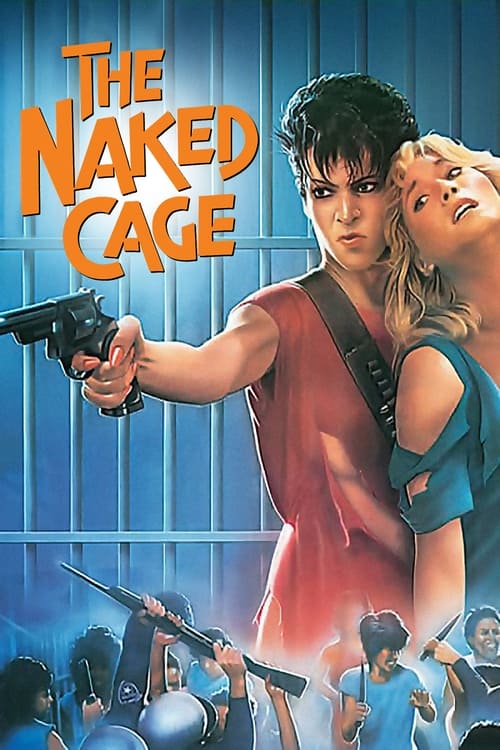
The Naked Cage
1986
No user ratings available yet
Representation score: 1.6 out of 10
Representation Score
Good
1983
RDirector
Paul Nicholas
Runtime
99 minutes
Average Rating
No ratings yetNew Showbiz Analysis
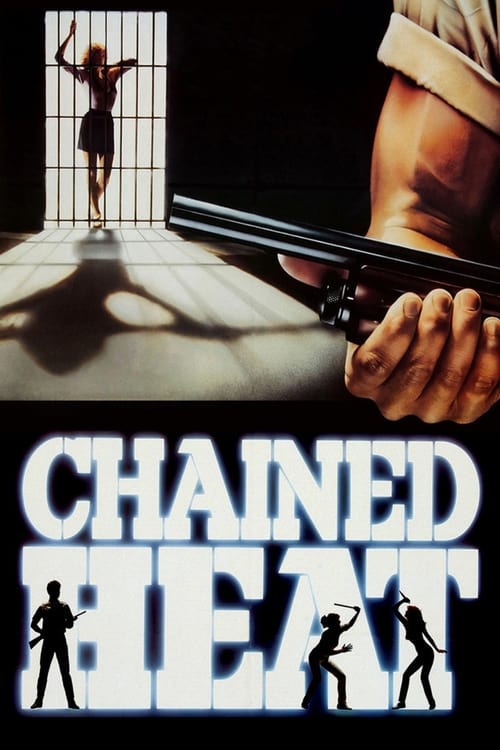
Chained Heat explores institutional corruption while challenging traditional gender hierarchies. By casting a female warden as the predatory antagonist, the film subverts the idea of stable female leadership and highlights inmate solidarity. However, the film lacks racial and disability representation, presenting a largely homogeneous white cast. Despite relying on the heightened sexualization of LGBTQ+ identities typical of its era, the film provides a nuanced look at underrepresented groups fighting against systemic oppression.
Category Breakdown
The film showcases same-sex intimacy among the inmates, creating a subculture that exists outside traditional heterosexual norms. However, the portrayal leans towards the heightened sexualization common in films of that era.
The narrative challenges traditional gender hierarchies by depicting female authority as predatory and corrupt. The inmates develop a sense of collective power, moving away from submissive feminine stereotypes through female-led power struggles.
The cast is predominantly white, lacking racial diversity. The film reflects the narrow demographic focus typical of its genre and era.
The film critiques Western institutional power by framing the prison system as morally bankrupt. It portrays inmate rebellion as a means of liberation against a corrupt system.
There is no significant representation of physical or neurodivergent disabilities. Characters are defined by their social status or prison roles rather than any disability-related experiences.
Present on Screen
Limited or Absent
Official Synopsis
After killing a man in a drunk driving accident, a young woman is sent to a prison where both the inmates and the corrupt leadership are violent and abusive.
1986
1972
1974

1988
1990
1976
1986
1976
No reviews yet. Be the first to share your thoughts on this movie!
Use the rating form above to leave a star rating and optional review.