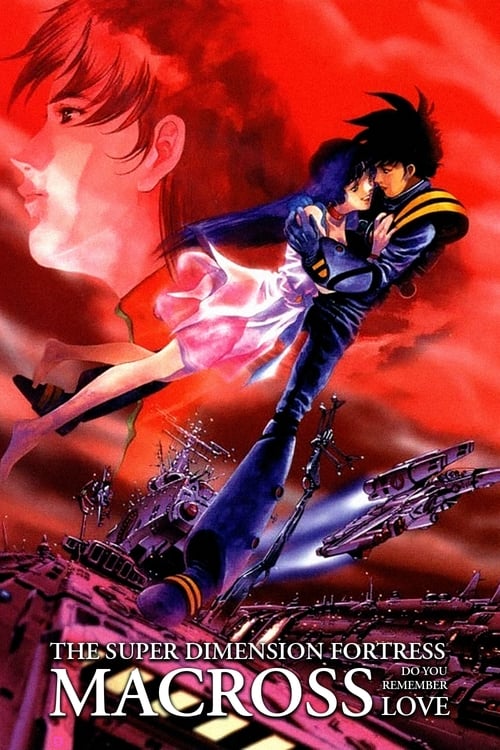
Macross: Do You Remember Love?
1984
No user ratings available yet
Representation score: 3.7 out of 10
Representation Score
Good
1992
13+Director
Yasunori Urata, Akihiko Nishiyama, Akira Nishimori, Kenichi Yatagai
Runtime
137 minutes
Average Rating
No ratings yetNew Showbiz Analysis
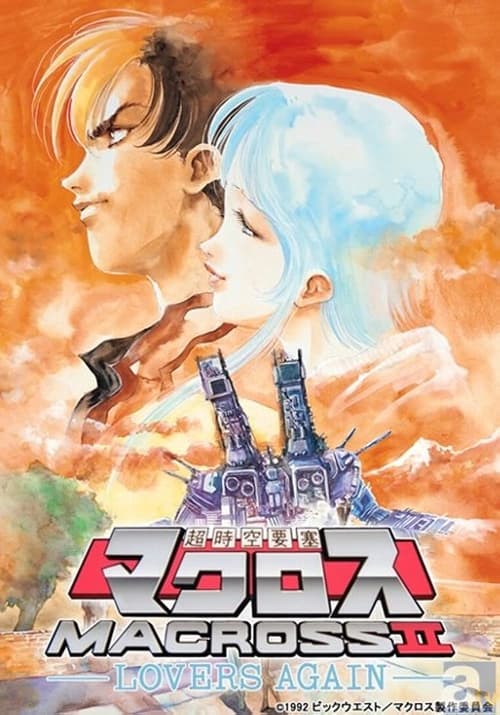
Macross II: Lovers Again is a transitional science fiction work that balances genre clichés with progressive character roles. It succeeds in challenging traditional gender roles by presenting women as highly skilled combatants and tactical leaders. However, the film remains anchored to the social homogeneity and traditional romantic structures typical of its era. It lacks explicit engagement with contemporary identity politics or diverse human demographics. The narrative's depth comes from its use of alien archetypes to explore cultural exchange and the transformative power of art in conflict.
Category Breakdown
The story follows a conventional romantic trajectory focused on heterosexual relationships. There is no evidence of non-traditional gender identities or same-sex relationships within this OVA.
Women play significant roles, such as ace pilot Silvie Gena. While the romantic storyline is traditional, female characters drive the tactical defense of Earth through their technical skills.
The human cast lacks visible ethnic diversity. However, the narrative uses alien races like the Marduk as metaphors for the 'Other' and explores themes of cultural assimilation.
Music and art serve as bridges between warring species. The film prioritizes a humanist perspective over religious dogma, though it maintains respect for organized military structures.
There are no prominent depictions of visible or invisible disabilities. Characters are defined by physical prowess or musical expression rather than neurodivergence or physical impairments.
Present on Screen
Limited or Absent
Official Synopsis
Plot Summary: A.D. 2089 - 80 years have passed since Space War I changed the lives of both human and Zentraedi races. Both races are at peace on Earth when a new alien race called the "Marduk" appear within the Solar System. While covering the first battle between the U.N. Spacy and the Marduk fleet, SNN rookie reporter Hibiki Kanzaki discovers Ishtar, an "Emulator" that enhances the Marduk's combat abilities through singing. Hibiki brings Ishtar to Earth to teach her the values of life and culture. Together with ace Valkyrie pilot Silvie Gena, Hibiki and Ishtar must find a way to save Earth from total destruction at the hands of the Marduk leader Ingues.
1984
1981
2012
1986

1995

1995
1987
1986
No reviews yet. Be the first to share your thoughts on this movie!
Use the rating form above to leave a star rating and optional review.