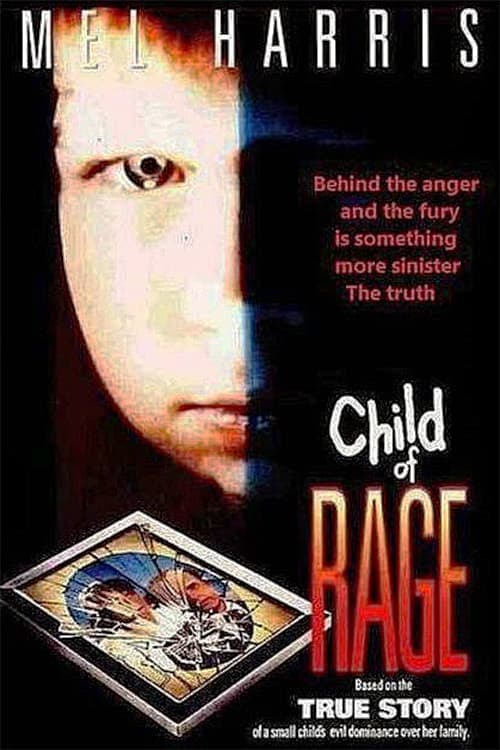
Child of Rage
1992
No user ratings available yet
Representation score: 3.2 out of 10

Representation Score
Fair
1988
Director
Kristín Jóhannesdóttir
Runtime
50 minutes
Average Rating
No ratings yetNew Showbiz Analysis
Broken Glass is a work of social realism that finds its progressive value in the deconstruction of traditional social institutions. It shifts the focus from demographic breadth to the psychological interiority of underrepresented youth. The film's strength lies in its subversion of traditional gender hierarchies and maternal authority clichés, presenting a critique of institutions meant to protect the vulnerable. However, the narrative lacks multi-layered complexity, particularly regarding racial and LGBTQ+ representation. The focus remains narrow, prioritizing a localized Icelandic perspective over a broader multicultural or queer-coded framework.
Category Breakdown
The film does not explicitly depict non-straight relationships or same-sex intimacy. Instead, it focuses on the experiences of displaced individuals and institutionalization, avoiding queer-coded subtext.
Maria challenges traditional gender roles by acting as a rebellious protagonist rather than a submissive daughter. The story emphasizes female intellect and survival instincts over patriarchal or maternal authority.
Set in Iceland with an all-Icelandic cast, the film reflects its specific geographic context. It functions as a localized study of social isolation rather than a multicultural narrative.
The film critiques the sanctity of the nuclear family by depicting the home as a place of trauma. It portrays rebellion as a reaction to systemic failures.
Mental health and neuro-emotional struggles are explored through the protagonist's substance use and status as a troubled child. These elements drive the plot toward institutionalization.
Present on Screen
Limited or Absent
Official Synopsis
Maria is somewhat of a rebel and problem child. Her mother died and her father remarried some awful lady, and Maria isn't happy at all. She takes a drug overdose and winds up in a home for other girls with problems, but the two women who run the place turn out to be not quite the ladies they seemed. Maria knows she can't stay there very long, and starts planning her escape.
1992

2007
1992
1994

1982
1981

2018
2024
No reviews yet. Be the first to share your thoughts on this movie!
Use the rating form above to leave a star rating and optional review.