Free Zone
2005
No user ratings available yet
Representation score: 7.8 out of 10
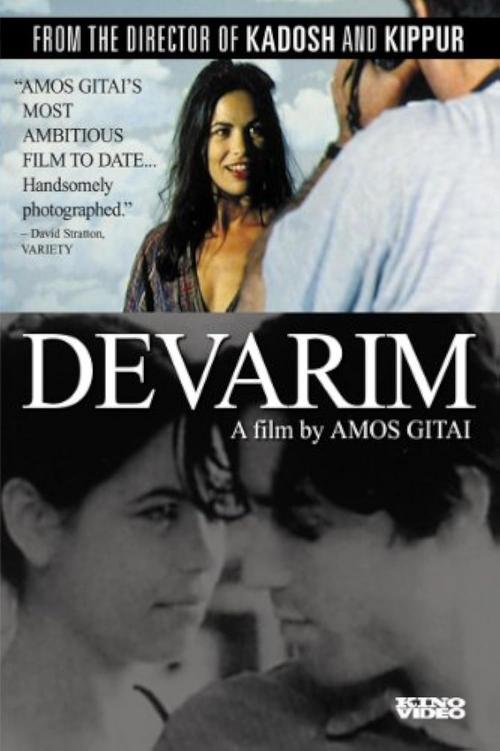
Representation Score
Excellent
1995
Director
Amos Gitai
Runtime
110 minutes
Average Rating
No ratings yetNew Showbiz Analysis
Amos Gitai’s *Things* is a postmodern exploration of urban alienation that prioritizes fragmented narrative structures over explicit identity-based storytelling. The film succeeds in presenting a naturalistic, multicultural Mediterranean landscape that feels organic to its Tel Aviv setting. However, the work lacks depth in specific representation categories. It avoids traditional hierarchies and domestic clichés, but fails to provide clear arcs for LGBTQ+ characters or individuals with disabilities. The focus remains on universal existential struggles rather than specific social identities. Ultimately, the film is a critique of modern social cohesion. It excels at subverting Western storytelling norms and religious authority, even if it remains largely implicit regarding specific underrepresented identities.
Category Breakdown
The film doesn't explicitly address LGBTQ+ identities or specific non-binary gender arcs. While it explores complex love stories, the focus is on universal romantic struggles rather than specific identity issues.
Gitai challenges traditional gender roles by breaking down stable family structures. The narrative emphasizes individual psychological states over conventional masculine dominance or passive femininity.
The film features a natural, multicultural cast reflecting the Mediterranean region. This authentic depiction of Tel Aviv avoids including someone from a minority group without giving them real depth and steers clear of Anglo-centric norms.
The film critiques modern urban life through a lens of moral relativism. It avoids a centralized religious authority, instead showing the city as a place of social isolation.
There is no significant representation of characters with visible or invisible disabilities. Existential loneliness is treated as a universal experience rather than a specific exploration of disability.
Present on Screen
Limited or Absent
Official Synopsis
The story of three men living in Tel Aviv. They set off to attend a funeral. Unfortunately, they cannot find the right cemetery. Later the story shifts to their complex love lives.
2005

1995
2018
1976
2007
1999
2003
2001
No reviews yet. Be the first to share your thoughts on this movie!
Use the rating form above to leave a star rating and optional review.