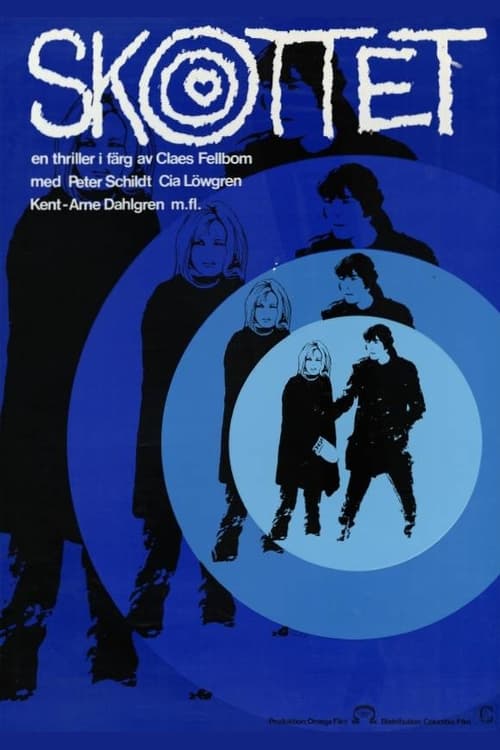
The Shot
1969
No user ratings available yet
Diversity score: 3.1 out of 10
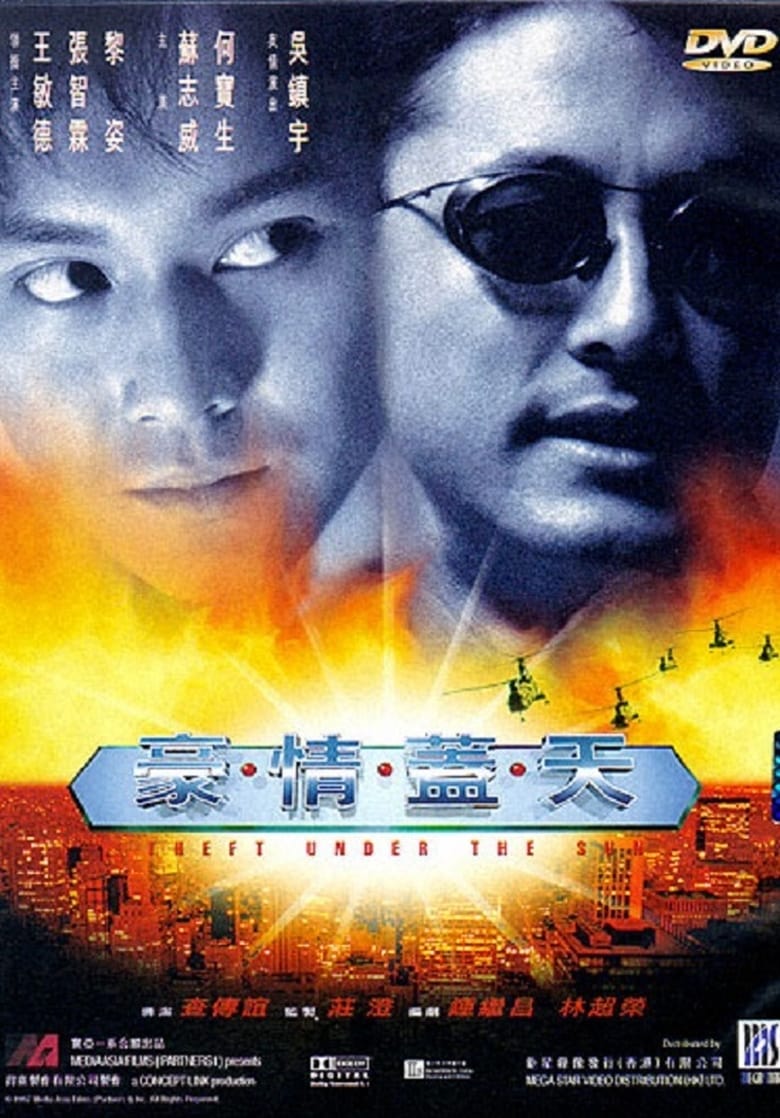
1997
Director
Cha Chuen-Yee
Runtime
101 minutes
Average Rating
No ratings yetSynopsis
During an operation with a master criminal, an undercover cop fails his mission because he was shot by an uniform officer. His superior suspects he has become a bad seed and refuses to allow him to rejoin the force. In order to prove his innocence, the cop decides to follow the thief to the Sino-Russian border on an arms struggle deal, but on the way they are chased by Mainland police. During the escape the cop and the criminal become friends. When they return to the Hong Kong border, the police awaits on the other side and...
Overall Score
Limited
Category Breakdown
LGBTQ+ Representation
The film lacks any evidence of non-cisnormative identities or same-sex intimacy. The narrative focus remains strictly on the crime-thriller dynamic between male protagonists.
Gender Representation
The story prioritizes a male-centric power struggle between a cop and a criminal. There is no evidence of women occupying high-agency roles or subverting traditional hierarchies.
Racial & Ethnic Diversity
The setting suggests a specific regional ethnic context involving the Sino-Russian border. However, the narrative provides little detail regarding intersectional racial blending or diverse casting.
Religious & Cultural Diversity
The plot challenges institutional infallibility by portraying police as a hindrance to their own officers. The bond between an outlaw and a cop suggests a critique of rigid systemic structures.
Disability Representation
There is no mention of characters navigating physical, neurodivergent, or mental health conditions. The narrative does not address disability in any capacity.
Strengths
Areas for Improvement
AI Analysis
The film operates primarily as a genre-driven crime thriller centered on moral ambiguity. It finds its strength in subverting traditional law-and-order tropes by fostering an unlikely alliance between a law enforcement officer and a master criminal. However, the narrative architecture is narrow, focusing almost exclusively on masculine archetypes. It lacks significant representation across gender, LGBTQ+, or disability vectors, resulting in a limited demographic scope. Ultimately, the work prioritizes systemic skepticism and regional setting over a broad spectrum of intersectional inclusion.
1969
2014
1988
1992
2015
2010
2002
1994

1992
2002
2003
1987
No reviews yet. Be the first to share your thoughts on this movie!
Use the rating form above to leave a star rating and optional review.