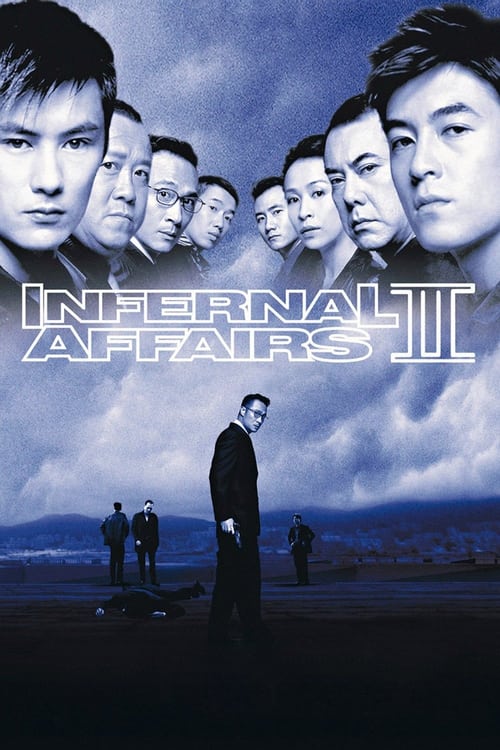
Infernal Affairs II
2003
No user ratings available yet
Representation score: 5.3 out of 10

Representation Score
Fair
2002
RDirector
Alan Mak Siu-Fai, Andrew Lau Wai-Keung
Runtime
101 minutes
Average Rating
No ratings yetNew Showbiz Analysis
Infernal Affairs is a highly specialized crime thriller that prioritizes systemic critique over demographic breadth. It succeeds in providing a sophisticated, culturally authentic portrayal of Hong Kong's socio-political landscape and the erosion of institutional authority. However, the film is notably narrow in its social representation. It centers almost exclusively on a patriarchal, male-driven narrative, leaving female characters with little control over their own lives and offering no visibility for LGBTQ+ or disabled identities. Ultimately, the work trades broad-spectrum inclusion for deep psychological and cultural complexity. It is a masterclass in genre storytelling that remains tethered to a traditional, male-centric framework.
Category Breakdown
The film focuses on masculine struggles of identity and survival. It does not include any LGBTQ+ identities or critiques of the assumption that everyone is straight or cisgender.
The narrative centers on the male experience and operates within a strictly patriarchal structure. Female characters primarily serve as emotional anchors or plot catalysts and have limited control over their own lives.
The story offers an authentic, Cantonese-centric portrayal of Hong Kong's demographic reality. It explores local identity through a nuanced, post-colonial lens within a specific regional context.
The film excels at deconstructing traditional institutions and moral binaries. It uses the struggle for authentic identity as a metaphor for navigating shifting political and cultural landscapes.
There are no characters with visible or invisible disabilities. Psychological fragmentation is used as a plot necessity rather than a nuanced exploration of mental health.
Present on Screen
Limited or Absent
Official Synopsis
Chan Wing Yan, a young police officer, has been sent undercover as a mole in the local mafia. Lau Kin Ming, a young mafia member, infiltrates the police force. Years later, their older counterparts, Chen Wing Yan and Inspector Lau Kin Ming, respectively, race against time to expose the mole within their midst.
2003
2003

2006

2001

2007

2007

2006

1999
No reviews yet. Be the first to share your thoughts on this movie!
Use the rating form above to leave a star rating and optional review.