
The Diamond from the Sky
1915
No user ratings available yet
Diversity score: 1.4 out of 10
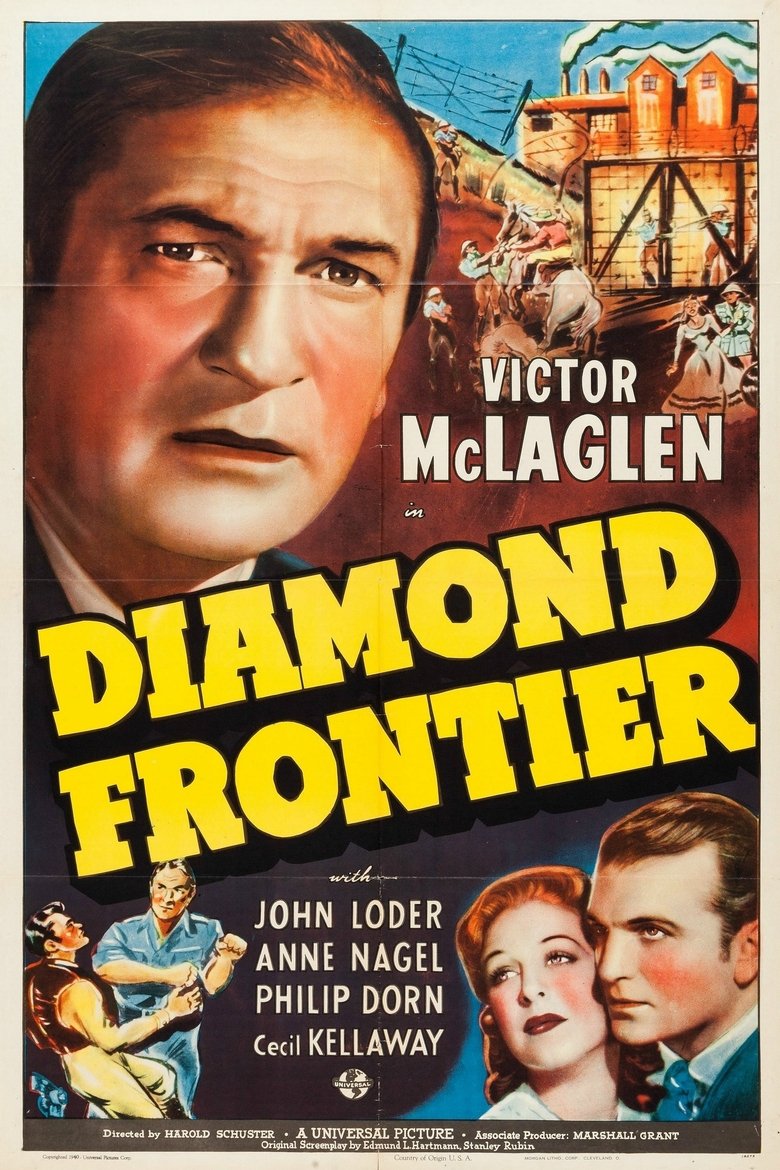
1940
ApprovedDirector
Harold D. Schuster
Runtime
73 minutes
Average Rating
No ratings yetSynopsis
Story of the early days of the diamond-mining era in South Africa.
Overall Score
Minimal
Category Breakdown
LGBTQ+ Representation
The film contains no evidence of non-heteronormative identities or same-sex intimacy. It adheres to the heteronormative social structures typical of 1940s adventure cinema.
Gender Representation
Female characters likely occupy domestic or supportive roles rather than positions of leadership. Physical agency and narrative control remain concentrated among the male protagonists.
Racial & Ethnic Diversity
The South African setting reflects colonial-era racial stratification. The film likely reinforces Eurocentric perspectives and systemic hierarchies rather than providing agency to marginalized groups.
Religious & Cultural Diversity
The narrative centers on Western values of capitalism and territorial expansion. It celebrates the triumph of industry and individualist grit over moral relativism.
Disability Representation
There is no evidence of characters with disabilities portrayed with agency. Physical impairments are either omitted or used merely as plot devices.
Strengths
Areas for Improvement
AI Analysis
Diamond Frontier is a product of its time, functioning as a standard studio-era adventure that upholds the social hierarchies of 1940. The film focuses on the diamond-mining era in South Africa through a lens that prioritizes Western industrial expansion and colonial structures. Because the narrative aligns with the era's conventional genre tropes, it lacks intersectional complexity. It reinforces traditional gender roles and Eurocentric viewpoints, offering little representation for LGBTQ+ identities or individuals with disabilities. Ultimately, the film serves as a historical snapshot of early 20th-century cinematic norms, favoring established social orders over subversive or diverse storytelling.
1915
1932
1935
1902

1952

1957
1957
1935
1947
1932

1940

1941
No reviews yet. Be the first to share your thoughts on this movie!
Use the rating form above to leave a star rating and optional review.