
When Love Is Not Enough: The Lois Wilson Story
2010
No user ratings available yet
Diversity score: 4.0 out of 10
1989
Not RatedDirector
Daniel Petrie
Runtime
100 minutes
Average Rating
No ratings yetSynopsis
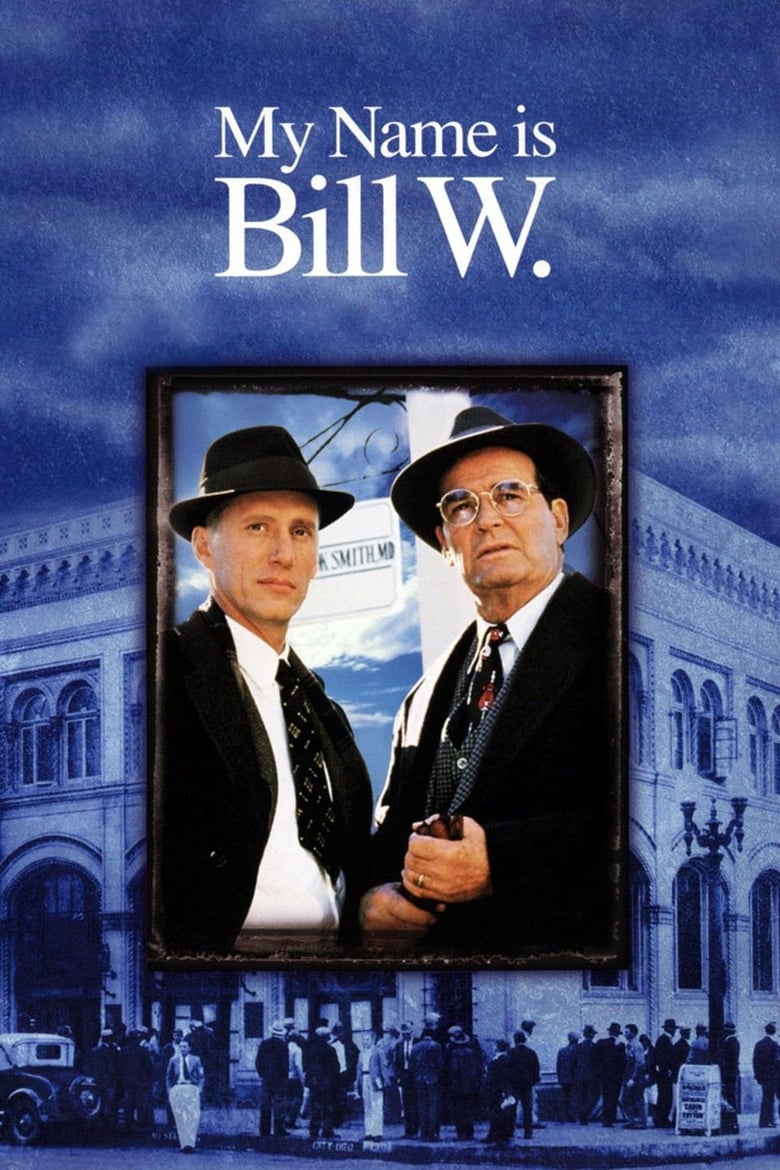
Based on the true story of Bill W. (James Woods), a successful stock broker whose life falls apart after the stock crash of the 20's and how he comes to grips with his alcoholism. Along with a fellow alcoholic (James Garner) he forms a support group that would eventually become Alcoholics Anonymous.
Overall Score
Limited
Category Breakdown
LGBTQ+ Representation
The film focuses entirely on heteronormative social structures and male fellowship. There are no queer narratives or non-cisnormative identities present in the central plot.
Gender Representation
Narrative agency is concentrated almost exclusively in male characters. Women are relegated to traditional domestic roles, serving as secondary emotional anchors for the male protagonists.
Racial & Ethnic Diversity
The cast is predominantly white, reflecting the historical demographics of the early AA movement. The story lacks intersectional depth regarding race or ethnicity.
Religious & Cultural Diversity
Thematic elements are rooted in traditional Western institutions and spiritual recovery. The narrative emphasizes social reintegration and adherence to conventional religious or spiritual frameworks.
Disability Representation
The film treats alcoholism as a chronic condition with significant psychological and physical realities. Characters navigate their recovery with agency rather than being portrayed as mere caricatures.
Strengths
Areas for Improvement
AI Analysis
This biographical drama prioritizes historical accuracy and the reinforcement of established social and spiritual norms. It celebrates the restoration of individuals to traditional roles like husband and professional through a structured, faith-based framework. While the film offers a nuanced look at addiction as a chronic condition, it lacks intersectional complexity. The narrative architecture reinforces traditional masculine leadership and capitalist structures rather than challenging them. Ultimately, the film functions as a period piece that mirrors the historical homogeneity of its setting, offering little subversion of traditional social hierarchies.
2010
1971

1958

2003
2005
2002

2017
2003

2013

1975
1992
1996
No reviews yet. Be the first to share your thoughts on this movie!
Use the rating form above to leave a star rating and optional review.