Athens, Return to the Acropolis
1983
No user ratings available yet
Representation score: 8.3 out of 10
Representation Score
Minimal
1964
Director
Jean-Daniel Pollet
Runtime
9 minutes
Average Rating
No ratings yetNew Showbiz Analysis
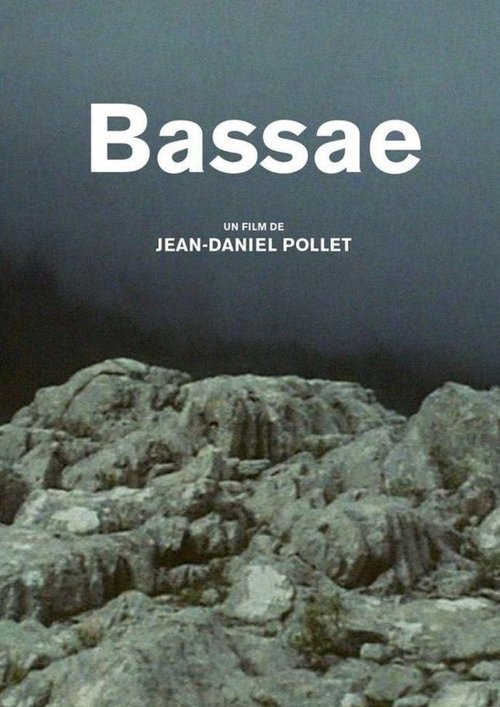
Bassae is a work of pure cinematic contemplation that prioritizes atmospheric exploration over traditional storytelling. Since the film focuses on ancient ruins and meteorological conditions, it lacks the character-driven framework necessary for standard diversity metrics. By choosing a lesser-known temple in a desolate area instead of the celebrated Parthenon, the work offers a non-monumental perspective on classical history. Ultimately, the landscape serves as the primary protagonist. The film avoids social identity politics in favor of a quiet, existentialist study of space and time.
Category Breakdown
The film focuses on landscapes and architecture without any character dialogue or romantic themes involving LGBTQ+ individuals.
The narrative centers on inanimate temples and natural phenomena. There are no depictions of gender hierarchies or interpersonal dynamics among characters.
The subject matter is primarily architectural and geological. The film's score reflects the absence of a human cast.
The director challenges conventional reverence for historical monuments by focusing on a less-known temple. This approach emphasizes existential questions over national pride.
No human subjects are depicted. Therefore, there is no representation of neurodivergence, physical disabilities, or mental health issues.
Present on Screen
Limited or Absent
Official Synopsis
"I was interested by the fact that some old guy, after the Parthenon’s glamour, devoted himself in a much smaller temple, where there was no white marble, no nothing. All Greek temples are dedicated to Apollo etc, and this particular one was not dedicated to anyone and is in a place where there never was a city nearby, in a kind of wasteland, in a ditch. But, just by going up a bit –you are in the centre of Peloponissos- on a clear day, you can see the sea on both your left and right. I went back there, at least six, seven or eight times, as if I wanted to think or find myself. So, at the temple in Bassae, I made a short 10 minute film and I was lucky enough to encounter two days of clouds and mist between the columns."
1983

1951
1968

1958
1965
2000
1989
1998
No reviews yet. Be the first to share your thoughts on this movie!
Use the rating form above to leave a star rating and optional review.