
Pom Pom Strikes Back
1986
No user ratings available yet
Diversity score: 3.8 out of 10
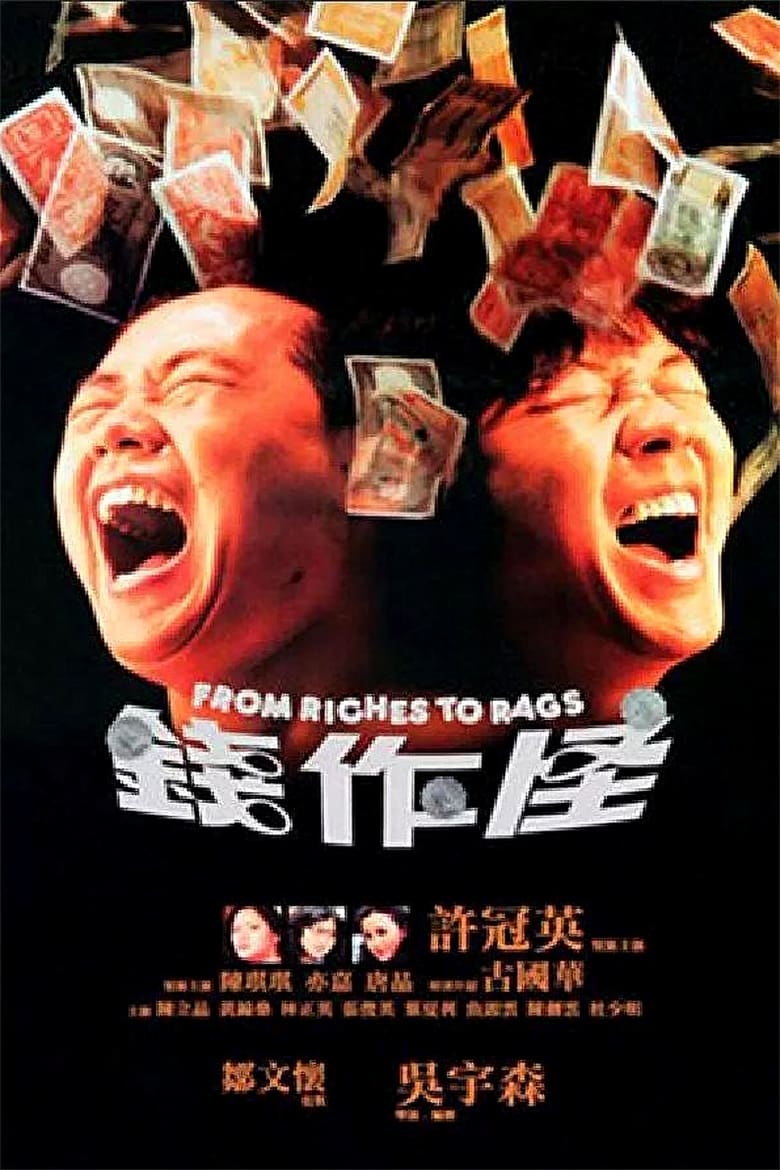
1980
Director
John Woo
Runtime
101 minutes
Average Rating
No ratings yetSynopsis
Ricky and Fatso are friends in need. They are in dire need of money since they are only paid slave wages at the bottling factory. However, they become millionaires overnight after buying a winning lottery ticket. During one of their swingin' nights on the town, Ricky is suddenly attacked by an upset stomach; and in no time, a quack doctor diagnoses the seizure as terminal cancer. Ricky seriously considers suicide. But he is appalled by the drawbacks inherent in the available methods of doing himself in--primarily the pain! It is on a rooftop from which he is supposed to make a plunge that he saves a poor man from suicide by giving the latter all the money he has. In gratitude, the newly rich man promises to hire a killer to finish off his suffering benefactor...
Overall Score
Limited
Category Breakdown
LGBTQ+ Representation
The film focuses on a male-centric friendship and a cycle of financial and medical crises. There is no evidence of non-cisnormative identities or narratives that critique heteronormativity.
Gender Representation
The central conflict is driven entirely by male protagonists. The narrative architecture centers on male camaraderie and existential crises without evidence of female agency.
Racial & Ethnic Diversity
As a 1980 Hong Kong production, the cast is ethnically homogeneous. The film functions as a culturally specific narrative rather than an intersectional one.
Religious & Cultural Diversity
The story explores sudden wealth and life's fragility. It focuses on individualistic, dark comedic circumstances rather than a systemic critique of capitalism or religion.
Disability Representation
A terminal cancer diagnosis serves as a plot catalyst. The condition functions as a narrative device for irony rather than a nuanced portrayal of chronic illness.
Strengths
Areas for Improvement
AI Analysis
From Riches to Rags is a traditional genre piece that adheres to the social and narrative conventions of 1980s Hong Kong cinema. It prioritizes commercial tropes over intersectional storytelling. The film lacks intentionality in disrupting social hierarchies. Character development is centered on male-dominated themes of camaraderie and financial struggle, offering little breadth in representation. Ultimately, the work operates within a standard, homogeneous framework typical of its era and geographic context.
1986
1982
1977
2016
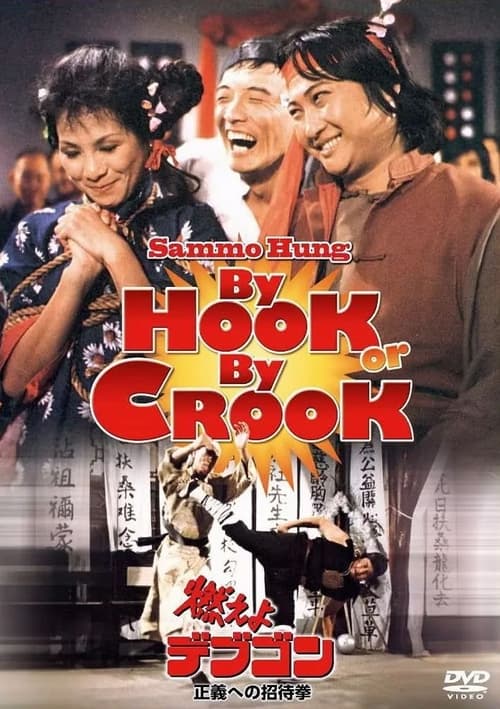
1980

1983
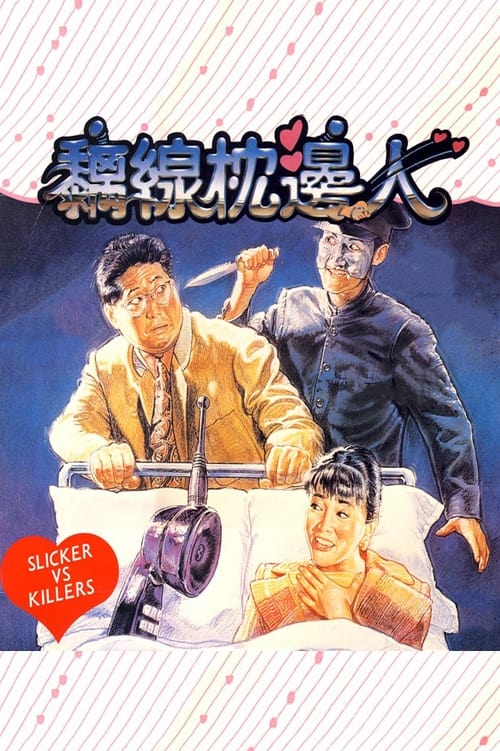
1991
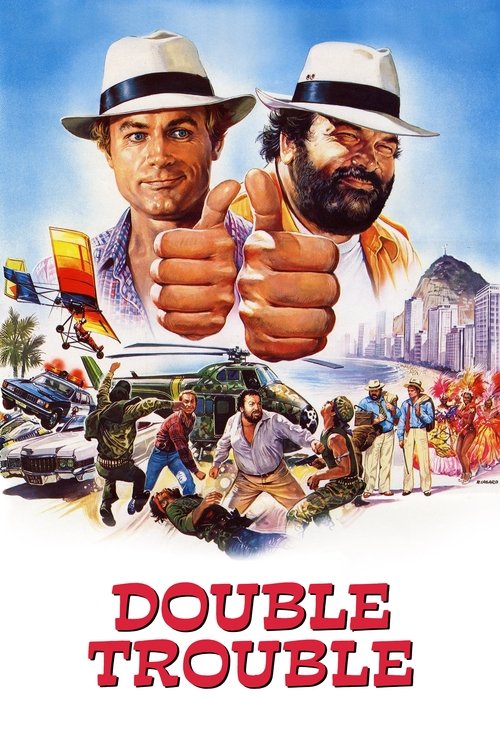
1984
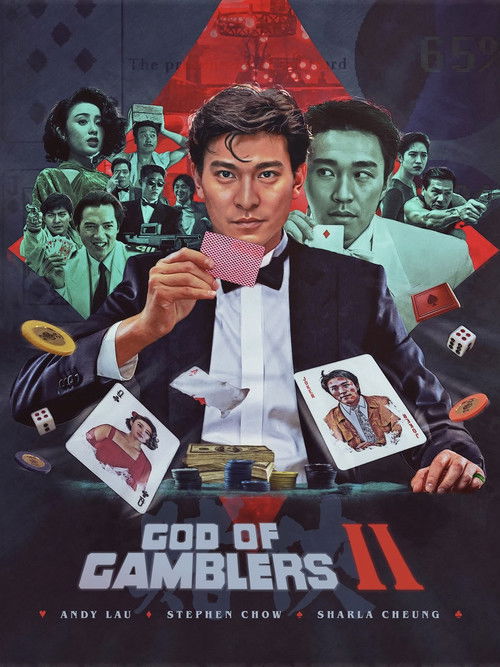
1990
1982

2002

2020
No reviews yet. Be the first to share your thoughts on this movie!
Use the rating form above to leave a star rating and optional review.