
The Return of Pom Pom
1984
No user ratings available yet
Representation score: 3.1 out of 10

Representation Score
Fair
1986
Director
Teddy Yip Wing-Cho
Runtime
86 minutes
Average Rating
No ratings yetNew Showbiz Analysis
Pom Pom Strikes Back is a classic 1980s Hong Kong action-comedy that emphasizes genre clichés over social issues. While it offers important non-Western representation through its Hong Kong setting and cast, the narrative remains traditional. The film relies on established archetypes, such as the male buddy-cop dynamic and the 'damsel in distress' cliché. These elements reinforce conventional gender roles and masculine camaraderie typical of the era. Overall, the film lacks multi-layered depth. It uses sensitive themes like terminal illness as plot devices rather than opportunities for nuanced character development, resulting in a predictable, genre-driven experience.
Category Breakdown
The film does not include any LGBTQ+ characters or stories. It focuses on a traditional male buddy-cop relationship without any non-binary gender identities.
The story revolves around a male-dominated duo. A young girl is present but mainly serves as a catalyst for the men's actions rather than having her own independent role.
As a Hong Kong production, the film features significant East Asian representation. It reflects its Cantonese cultural context without using race-bending techniques or multi-layered approaches.
The narrative follows a traditional heroic storyline within a conventional legal framework. It does not critique systemic structures or show secular influences.
A terminal cancer diagnosis is used as a narrative device for a character named Chau. It increases emotional tension but does not explore the complexities of living with a chronic illness.
Present on Screen
Limited or Absent
Official Synopsis
The Hong Kong detectives, Chau and Beethoven, are back once more. This time, their mission is to protect a young girl from a gang boss' henchmen, who are trying to eliminate her so she couldn't testify in court against their boss. Meanwhile, the plot thickens when a police medical report revealed that Chau apparently has cancer; therefore, Beethoven will see to it that his partner will have a well-deserved vacation in his remaining months.
1984

1985
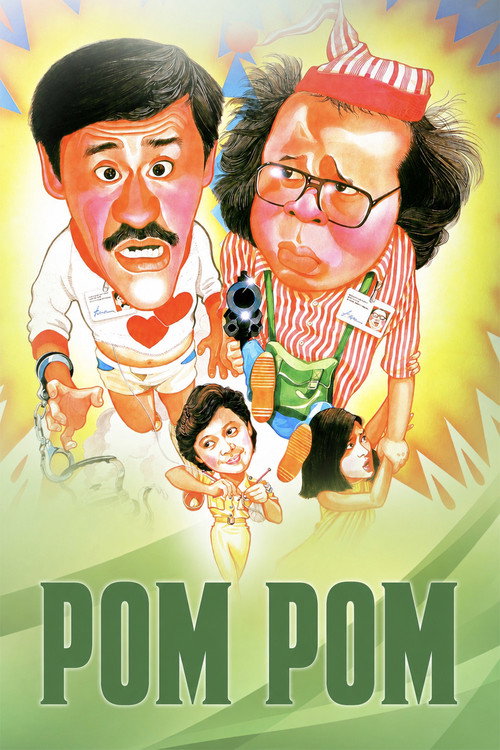
1984

1990
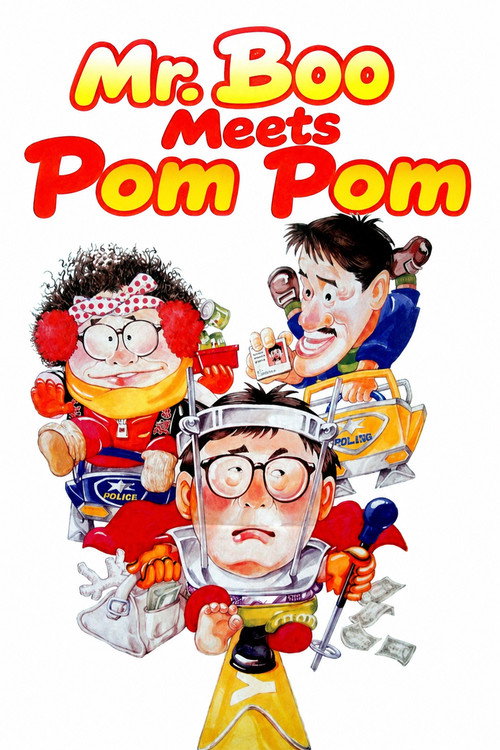
1985
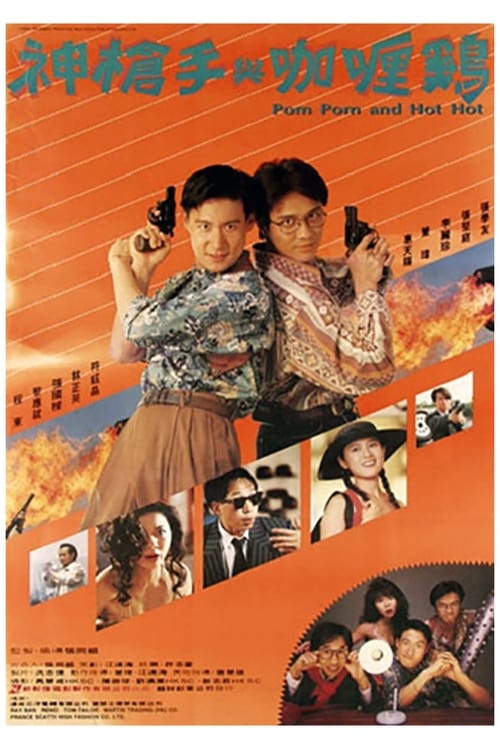
1992
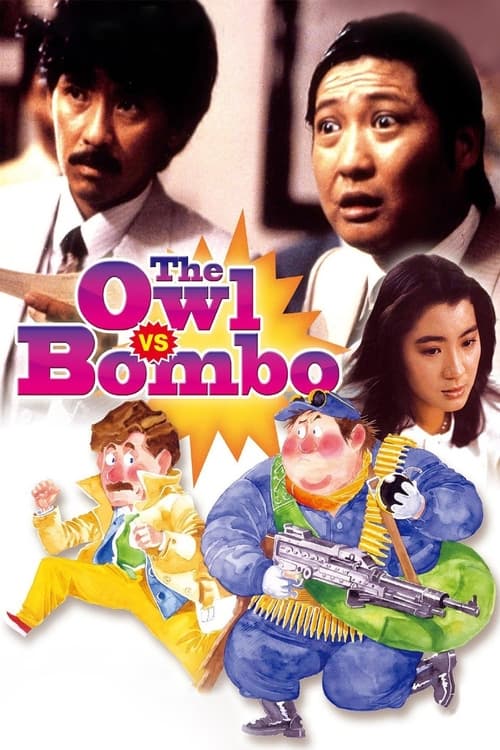
1984
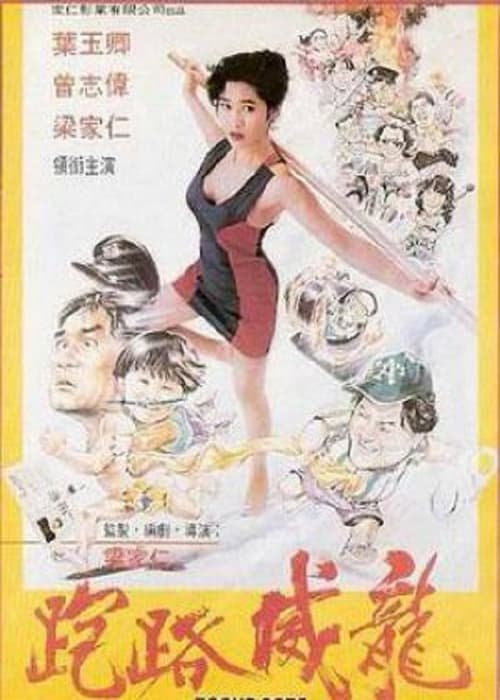
1993
No reviews yet. Be the first to share your thoughts on this movie!
Use the rating form above to leave a star rating and optional review.