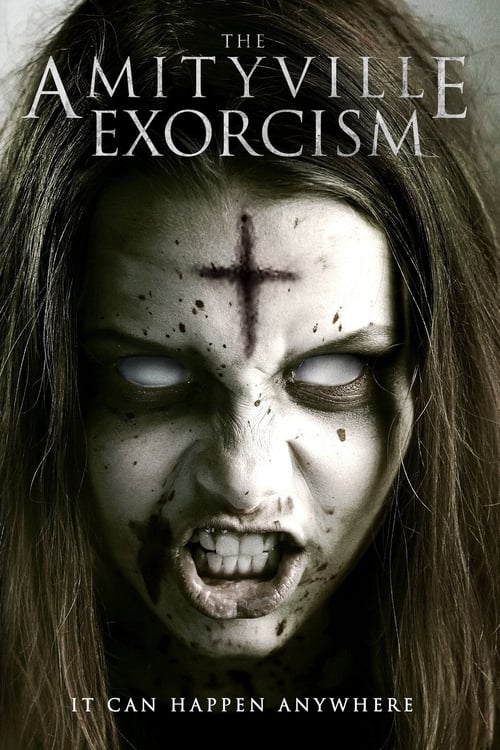
Amityville Exorcism
2017
No user ratings available yet
Representation score: 1.7 out of 10

Representation Score
Fair
2020
TV-14Director
Diego Cohen
Runtime
82 minutes
Average Rating
No ratings yetNew Showbiz Analysis
Using the horror genre, the film deconstructs institutional power, particularly targeting the 16th-century Spanish Inquisition. It shifts the focus from spiritual conflict to a struggle for individual autonomy against state-sanctioned violence. Despite the historical setting limiting modern representations of race and LGBTQ+ identities, the film successfully challenges patriarchal clichés. The female experience is central, set against an incompetent and oppressive male-dominated system. Overall, the work serves as a critique of religious doctrine, emphasizing the struggle of the individual against the weight of authority, providing a nuanced look at moral relativism.
Category Breakdown
The film doesn't show specific LGBTQ+ identities or same-sex relationships. Instead, it explores social deviance in the context of religious heresy, rather than focusing on queer identities.
The story challenges traditional gender hierarchies by focusing on a female protagonist who stands up against a male-dominated church. It highlights the resilience of women facing systemic sexism.
The cast reflects the demographics of 16th-century Spain. While there's no modern race-bent casting, the story centers on individuals persecuted by the dominant social order.
The film effectively critiques Western institutions by showing the Church and Inquisition as corrupt. It portrays organized religion as a source of systemic harm rather than a moral guide.
There are no prominent depictions of physical or neurodivergent disabilities that play key roles in the narrative or serve as central character arcs.
Present on Screen
Limited or Absent
Official Synopsis
An exorcist priest meets a family that has a daughter who is pursued by a demon.
2017
1961
2017
2024

2017

2022
2019
2022
No reviews yet. Be the first to share your thoughts on this movie!
Use the rating form above to leave a star rating and optional review.