
Lady Battle Cop
1990
No user ratings available yet
Representation score: 7.4 out of 10
Representation Score
Limited
1992
Director
Yasuhiro Horiuchi
Runtime
83 minutes
Average Rating
No ratings yetNew Showbiz Analysis
For All Lonely Nights is a typical science fiction action film. It prioritizes traditional narrative structures of heroism, institutional duty, and masculine conflict over social subversion. While the film offers an interesting look at post-human existence, it lacks the complexity needed to challenge social hierarchies or provide diverse representation.
Category Breakdown
The narrative focuses on the existential crisis of a deceased officer and conflicts between cyborgs. There are no LGBTQ+ characters or non-cisgender identities present.
The plot centers on male roles of authority and violence. The emphasis on masculine archetypes reinforces traditional gender hierarchies.
Set in Tokyo, the film establishes a Japanese cultural baseline. It operates within a culturally specific framework without promoting Western homogeneity or whitewashing.
The story explores existential questions through technology and life. It aligns with traditional institutions like the police and scientific authority.
The protagonist's transition to a robotic body is treated as a super-powered upgrade. The film does not explore neurodivergence or traditional physical disabilities.
Present on Screen
Limited or Absent
Official Synopsis
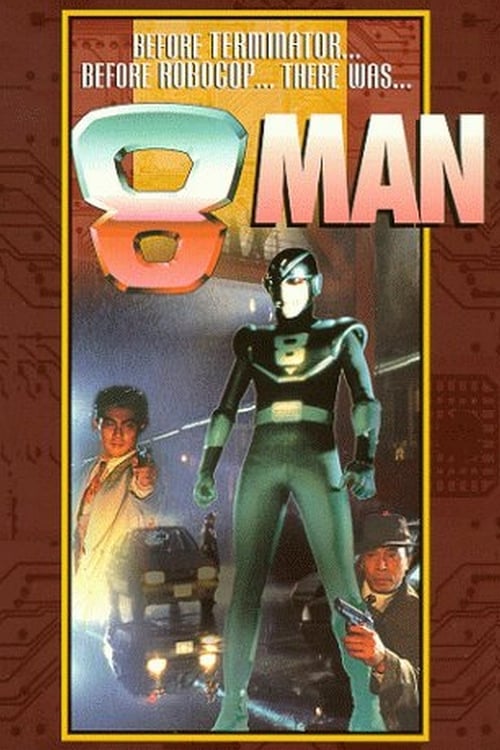
After Tokyo police officer Yokoda is killed in the line of duty, his chief decides give Yokoda's body to Dr. Tani for use in a secret scientific experiment: Yokoda's brain will be transplanted into a super-powered robot body, making him into an unstoppable policeman of the future. The supercop develops problems, however, when he begins to remember his human past. Then there is the matter of Dr. Tani's other cyborg, who has become a super-powered homicidal maniac.
1990

1993

1994

2002

1986
1992

1995

1990
No reviews yet. Be the first to share your thoughts on this movie!
Use the rating form above to leave a star rating and optional review.