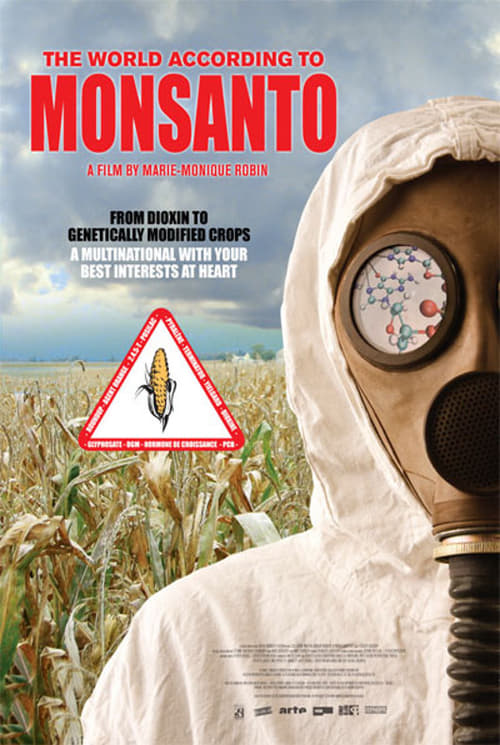
The World According to Monsanto
2008
No user ratings available yet
Representation score: 3.8 out of 10
Representation Score
Fair
2011
Director
Marie-Monique Robin
Runtime
113 minutes
Average Rating
No ratings yetNew Showbiz Analysis
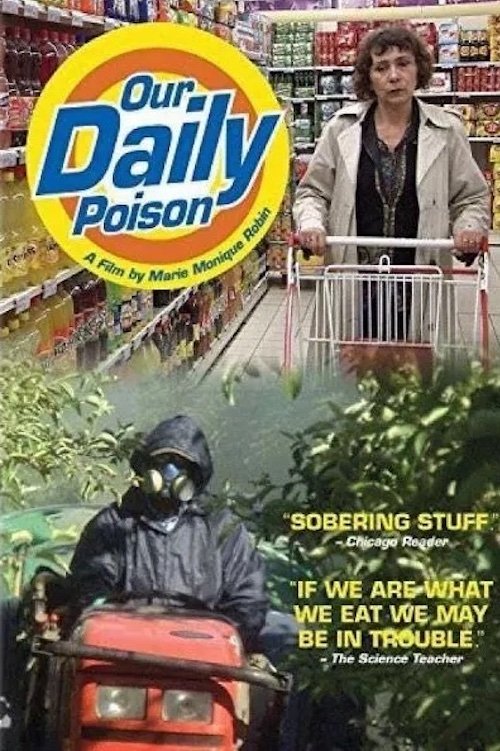
Our Daily Poison primarily serves as a critique of systemic power rather than a study of individual identity. The film prioritizes the investigation of industrial processes and institutional corruption over individual character development. While traditional demographic representation is minimal, the documentary achieves a high score through its aggressive deconstruction of Western capitalist and regulatory institutions. It challenges the reliability of mainstream narratives regarding the FDA and EFSA. Ultimately, the film’s progressive profile stems from its focus on the oppressive dynamics between the state and corporations, framing systemic vulnerability as a byproduct of industrial negligence.
Category Breakdown
The documentary focuses on corporate malfeasance and regulatory failure. There are no LGBTQ+ characters or themes related to non-assuming gender matches what was assigned at birth identities.
The film centers on industry and government mechanics. It lacks character arcs driven by personal ability to act, resulting in a neutral to low score regarding gender subversion.
The film investigates how industrial food systems affect the working class. Although this demographic is often diverse, the film does not use specific racial identities as central narrative drivers.
The film critiques Western institutional integrity and capitalist structures. It deconstructs established norms by showing regulatory bodies as compromised by corporate interests.
The narrative addresses systemic health crises and the physiological impacts of toxins. However, it lacks specific, agentic portrayals of individuals with physical or neurodivergent disabilities.
Present on Screen
Limited or Absent
Official Synopsis
Extensive investigation about the different "poisons" the food industry leaves or puts in our food, as well as the passivity of the US Food and Drug Administration (FDA) and the European Food Safety Authority (EFSA).
2008
2014
2012
2019

2015
2000
2010
2014
No reviews yet. Be the first to share your thoughts on this movie!
Use the rating form above to leave a star rating and optional review.