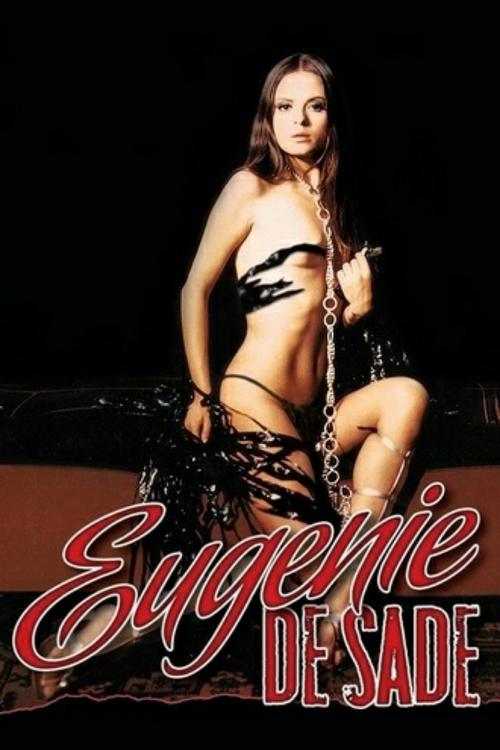
Eugenie de Sade
1973
No user ratings available yet
Representation score: 4.8 out of 10
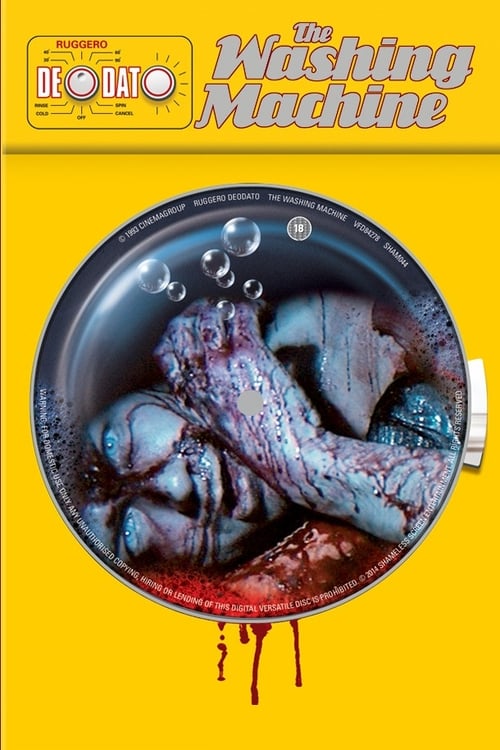
Representation Score
Fair
1993
Director
Ruggero Deodato
Runtime
90 minutes
Average Rating
No ratings yetNew Showbiz Analysis
The film serves as a character study that challenges conventional social norms. It successfully upends traditional gender power structures by putting women in positions of psychological and sexual control. However, the narrative lacks clear markers of diverse identities or LGBTQ+ representation. The focus remains on erotic tension rather than identity-driven storytelling, and the cast is ethnically uniform within its Hungarian context. Overall, the work leans towards a decentralized moral framework. It questions traditional social structures through its embrace of moral ambiguity and situational ethics.
Category Breakdown
The film includes strange games that explore sexual competition and tension. However, it doesn't feature explicit LGBTQ+ identities or character arcs that challenge traditional gender norms.
The story focuses on the ability to act of three sisters who actively drive the plot. They are not passive victims but architects of the mystery.
Set in Budapest, the film highlights a specific Central European environment. It does not have much racial diversity or overlapping aspects of identity among the main characters.
The story questions the sanctity of traditional family life by showing sisters as rivals. It presents a gritty, secular, and nihilistic outlook.
The film does not show any visible or invisible disabilities. There are no characters with neurodivergent traits or physical impairments.
Present on Screen
Limited or Absent
Official Synopsis
Three sisters - voluptuous Vida, Maria (nicknamed "Sissy"), and Ludmilla - live together in a run-down apartment building in Budapest. The sisters all vie for the attentions of Yuri Petkov, a dubious middle-aged pimp who plays them off against each other. One evening, Ludmilla claims to have found Yuri's body stuffed into their washing machine, but when Inspector Stacev arrives to investigate the body has disappeared. The good-looking young inspector attempts to discover the truth but in doing so becomes drawn into the sisters' bizarre sex games...
1973
1971

1978

2005
1981

1974

1995

1975
No reviews yet. Be the first to share your thoughts on this movie!
Use the rating form above to leave a star rating and optional review.