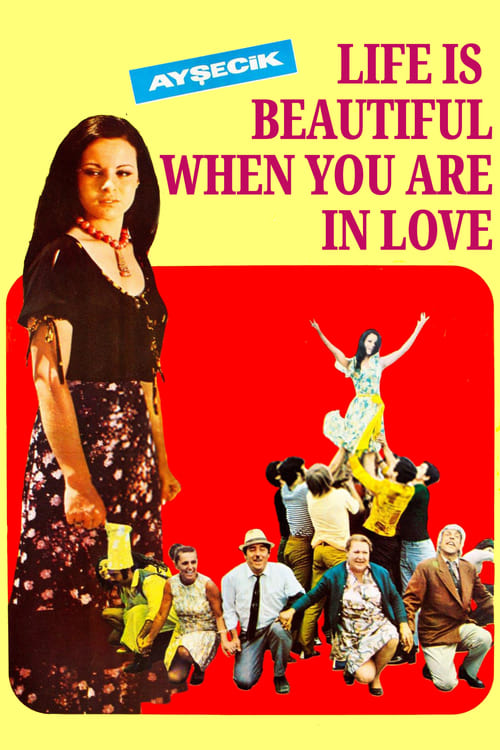
Life is Beautiful When You Are in Love
1971
No user ratings available yet
Diversity score: 4.0 out of 10

1975
Director
Ergin Orbey
Runtime
88 minutes
Average Rating
No ratings yetSynopsis
A love story between a poor man and a rich girl. The rich girl's father tries to prevent their marriage and he declares a war against the poor boy's family.
Overall Score
Limited
Category Breakdown
LGBTQ+ Representation
The film centers on a traditional romantic trope between a man and a woman. It adheres to heteronormative structures without evidence of non-cisnormative identities.
Gender Representation
The plot is driven by a patriarchal conflict between a father and a suitor. The female lead acts as a catalyst for the drama rather than a primary agent of change.
Racial & Ethnic Diversity
The story presents a homogeneous social landscape. While it explores class differences, it lacks evidence of intersectional racial or ethnic diversity.
Religious & Cultural Diversity
The narrative focuses on the tension between individual desire and family authority. It follows conventional storytelling models rather than critiquing specific cultural institutions.
Disability Representation
There is no evidence of characters with physical or neurodivergent disabilities within the narrative.
Strengths
Areas for Improvement
AI Analysis
Our Family operates as a classic mid-century Turkish melodrama, leaning heavily on established class-based conflicts. The story uses the 'poor man versus rich girl' archetype to drive its comedic and dramatic tension, prioritizing socioeconomic struggle over identity politics. The film reinforces traditional social hierarchies. The central conflict is mediated through patriarchal authority, where the male characters' actions dictate the emotional stakes of the marriage plot. While the film offers a window into 1970s social stratification, it lacks the intentionality to challenge or subvert the era's conventional gender, identity, or institutional norms.
No reviews yet. Be the first to share your thoughts on this movie!
Use the rating form above to leave a star rating and optional review.