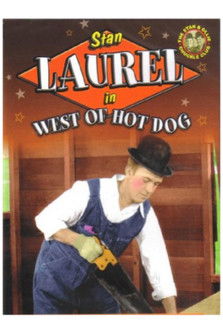
West of Hot Dog
1924
No user ratings available yet
Diversity score: 1.9 out of 10
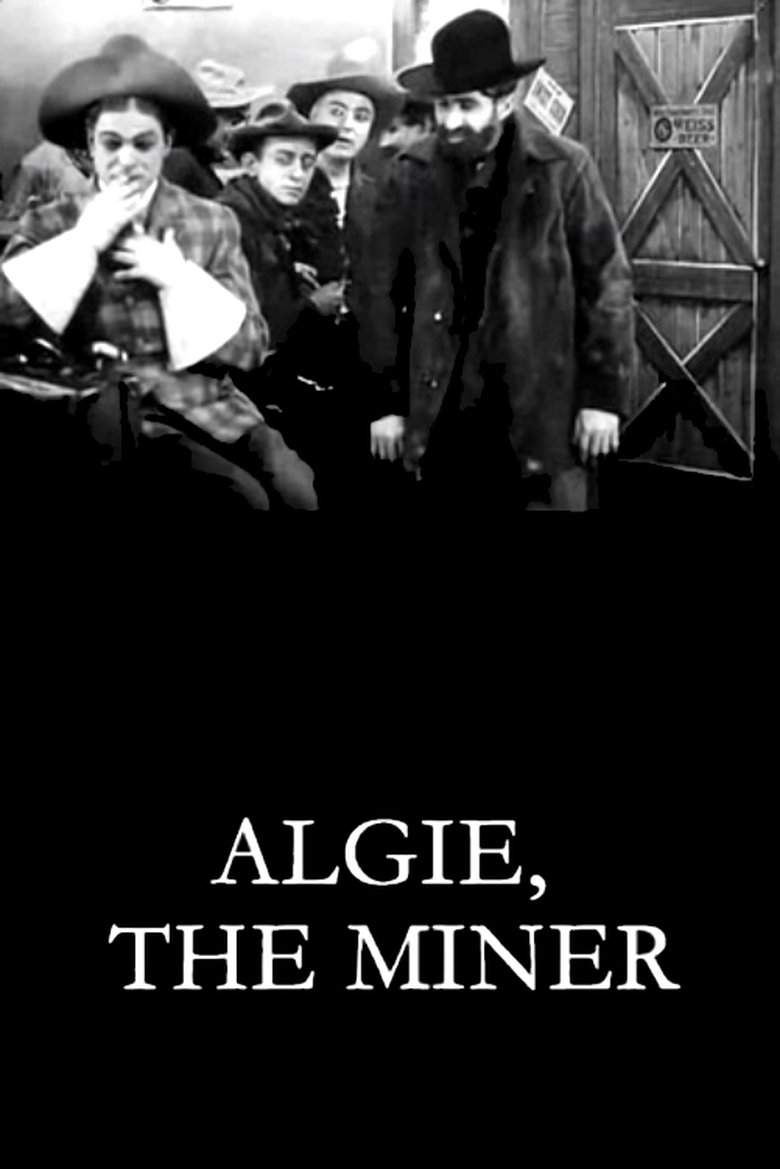
1912
TV-GDirector
Edward Warren, Harry Schenck, Alice Guy-Blaché
Runtime
10 minutes
Average Rating
No ratings yetSynopsis
When Algie Allmore asks to marry Clarice, the young woman's father gives him one year to prove that he's a man.
Overall Score
Minimal
Category Breakdown
LGBTQ+ Representation
The film lacks any evidence of non-heteronormative identities. The plot centers on a traditional marriage proposal and conventional romantic structures.
Gender Representation
The story reinforces traditional masculine archetypes through a father's demand for a suitor to prove his manhood. Clarice serves as a plot catalyst rather than an independent agent.
Racial & Ethnic Diversity
The film likely reflects the demographic homogeneity of the 1912 Western genre. It appears to adhere to the Anglo-centric casting norms typical of early silent cinema.
Religious & Cultural Diversity
The narrative emphasizes frontier-style morality and patriarchal authority. It focuses on domestic stability and traditional social structures common to the early 20th century.
Disability Representation
There is no indication of characters with visible or invisible disabilities within the narrative.
Strengths
Areas for Improvement
AI Analysis
Algie, the Miner is a product of its era, heavily leaning into the patriarchal and individualist tropes of the early Western genre. The central conflict is driven by a male-centric test of character, positioning the female lead as a motivation for male growth rather than a character with her own agency. While the film lacks diverse representation in terms of race, gender roles, or identity, it holds historical significance through its creative team. The involvement of Alice Guy-Blaché, a pioneer of narrative filmmaking, provides a rare instance of female creative agency in the early silent era, even if the film's themes remain conventional.
1924
1970
1934
1916
1926

1917
1922

1920
1956
1918
1942
1929
No reviews yet. Be the first to share your thoughts on this movie!
Use the rating form above to leave a star rating and optional review.