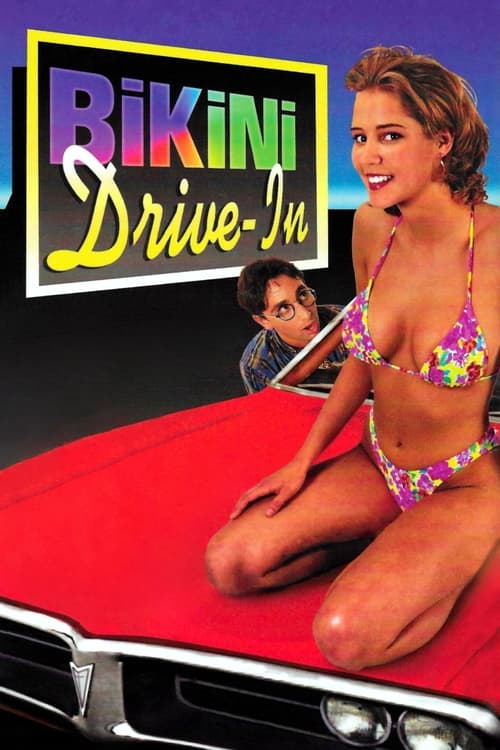
Bikini Drive-In
1995
No user ratings available yet
Representation score: 2.0 out of 10

Representation Score
Limited
1978
PGDirector
Barbara Peeters
Runtime
88 minutes
Average Rating
No ratings yetNew Showbiz Analysis
Starhops offers a moderate subversion of 1970s cinematic norms by placing female protagonists in positions of professional leadership. By centering the plot on the roles of two waitresses, the film moves away from typical male-dominated narratives of the era. However, the film lacks significant depth in representing diverse identities. The representation of race and ethnicity remains limited, adhering largely to the traditional casting patterns of the period. While the film provides a nuanced look at female-led entrepreneurship, it does not engage deeply with broader identity politics or diverse social identities.
Category Breakdown
The film does not include any explicit LGBTQ+ characters or narratives. The story focuses on the professional struggles of a central trio within conventional social structures.
The plot disrupts traditional hierarchies by centering on the roles of two female waitresses who serve as the primary drivers for the restaurant's potential economic revival.
Representation appears to follow the casting norms of the late 1970s. The inclusion of a French chef provides a specific ethnic element within the ensemble.
The narrative explores themes of economic instability and failing capitalist structures. It subtly critiques commercial institutions through the lens of underrepresented workers.
There is no evidence of characters with visible or invisible disabilities within the film's narrative or credits.
Present on Screen
Limited or Absent
Official Synopsis
After the owner of a failing drive-in restaurant sells his establishment, two waitresses and a French chef try to turn it around.
1995

1982
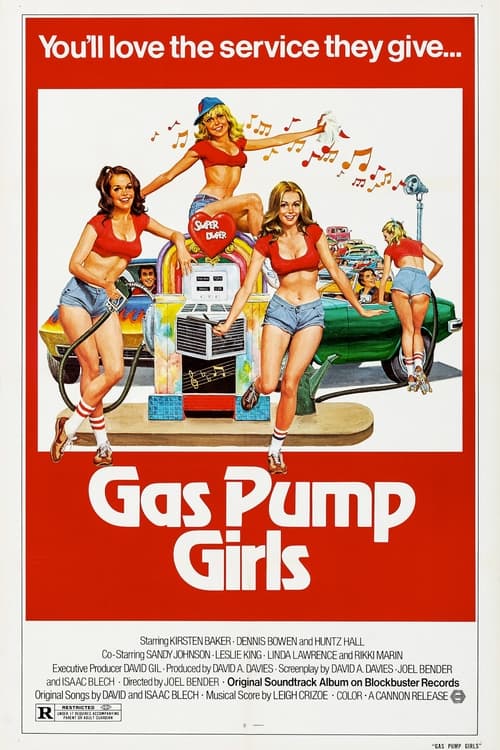
1979

1995
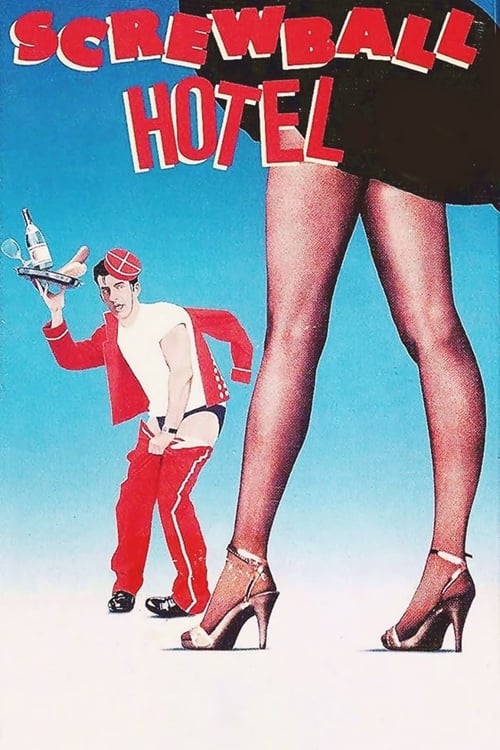
1988

2023
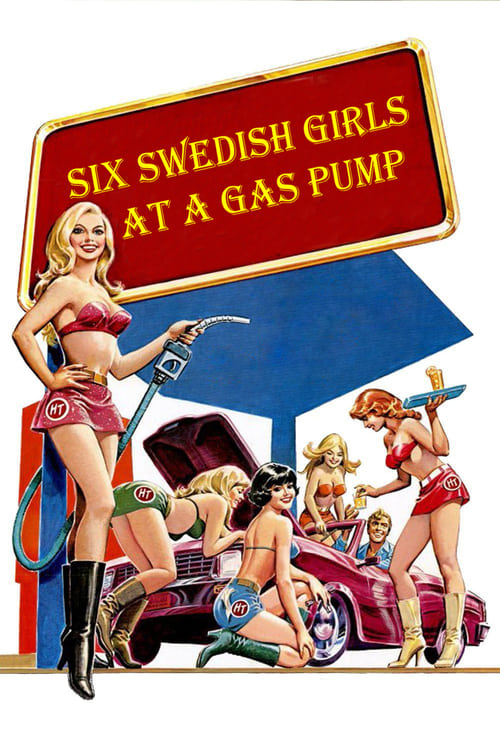
1980
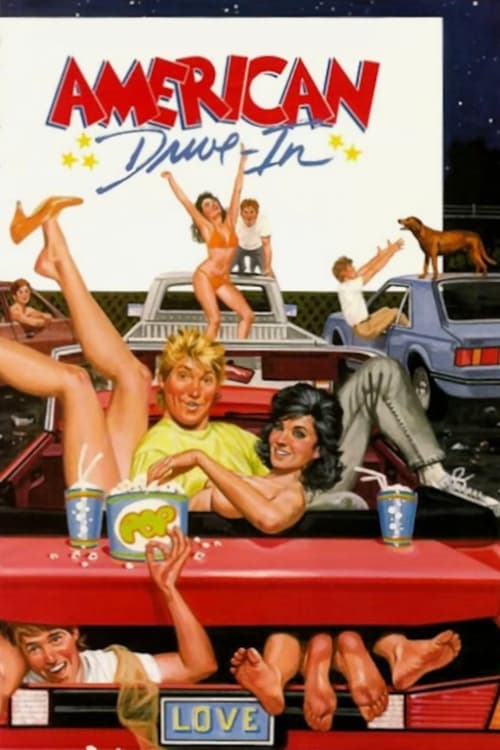
1985
No reviews yet. Be the first to share your thoughts on this movie!
Use the rating form above to leave a star rating and optional review.