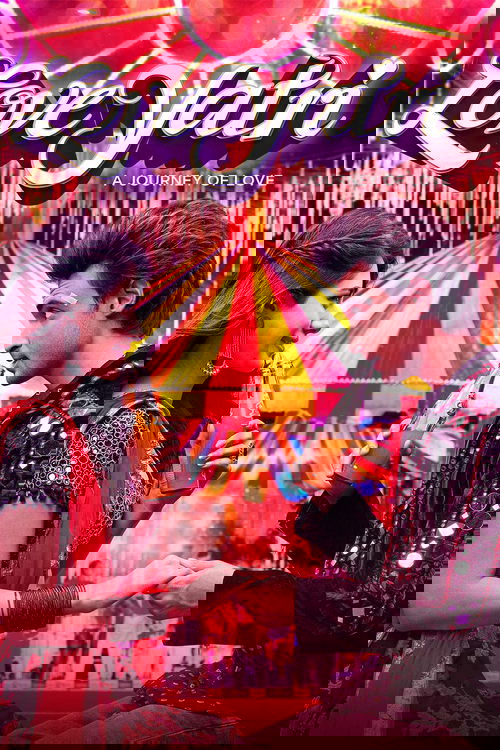
Loveyatri
2018
No user ratings available yet
Representation score: 2.2 out of 10
Representation Score
Fair
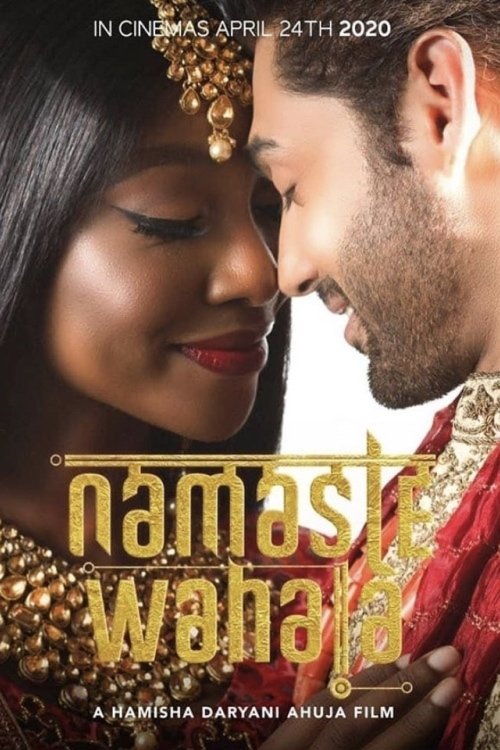
2020
TV-14Director
Hamisha Daryani Ahuja
Runtime
106 minutes
Average Rating
No ratings yetNew Showbiz Analysis
Namaste Wahala uses the romantic comedy genre to highlight inter-ethnic unions that differ from typical Western cinematic clichés. By blending Nigerian and Indian identities, the film moves away from homogeneous casting toward a more inclusive, globalized perspective. The title itself serves as a linguistic bridge, combining Sanskrit and Nigerian Pidgin to signify a hybrid cultural experience. This approach challenges the rigidity of monolithic ethnic identities by emphasizing individual ability to act within traditional social structures. While the film excels in racial and cultural diversity, it lacks representation for LGBTQ+ and disability communities. The narrative remains centered on a specific cross-cultural romantic conflict.
Category Breakdown
The film does not include any LGBTQ+ narratives or identities outside of heterosexuality. The story focuses on a heterosexual relationship without addressing LGBTQ+ themes.
The story revolves around a woman who navigates cultural barriers to pursue her romance. This highlights her ability to drive the story within the traditional romantic comedy framework.
The film challenges Western-centric norms by featuring a romance between a Nigerian woman and an Indian man. This intentional casting promotes a more globalized and diverse perspective.
The narrative explores the complexities of multiculturalism and the tension between traditional expectations. The title's linguistic fusion celebrates cultural hybridity over isolationism.
There are no characters with visible or invisible disabilities in the film. The current narrative does not include disability representation.
Present on Screen
Limited or Absent
Official Synopsis
A Nigerian woman and an Indian man won't let cultural differences get in the way of their romance.
2018

2011

2021
2014
2014
2008
2017
2002
No reviews yet. Be the first to share your thoughts on this movie!
Use the rating form above to leave a star rating and optional review.