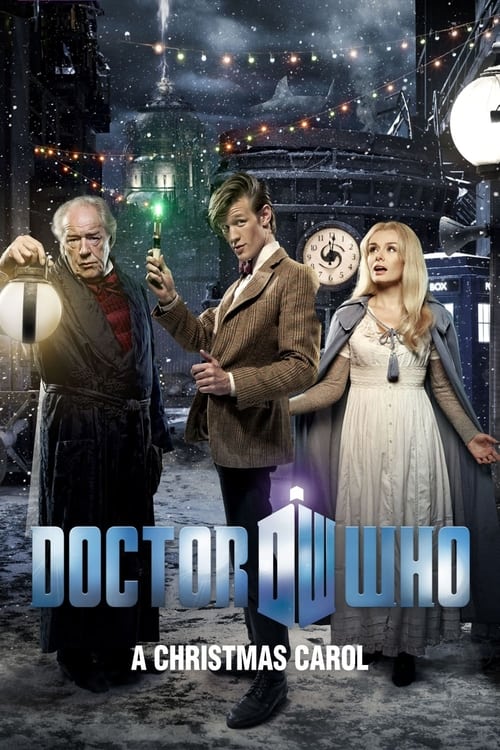
Doctor Who: A Christmas Carol
2010
No user ratings available yet
Representation score: 5.3 out of 10
Representation Score
Limited
2011
TV-PGDirector
Farren Blackburn
Runtime
59 minutes
Average Rating
No ratings yetNew Showbiz Analysis
This period piece focuses on emotional connection and traditional moral lessons. Despite showcasing a capable female lead within a historical context, it adheres to the social norms of the time, limiting its exploration of diverse identities. The narrative structure supports themes of family continuity and stability within the historical setting.
Category Breakdown
The story does not include any LGBTQ+ characters or explore queer relationships. It centers on a family unit where everyone is assumed to be straight.
The Widow is shown as a strong leader with emotional intelligence. However, the Doctor remains the traditional protector figure in the story.
Set in 1938, the cast is predominantly white with no indication of diverse ethnic backgrounds. The film does not include actors from different racial identities.
The film highlights the importance of family and the home. It upholds traditional values of emotional strength without questioning Western institutions.
There are no characters with physical or neurodivergent disabilities shown in the film. While the story touches on grief, it does not address the impact on those with impairments.
Present on Screen
Limited or Absent
Official Synopsis
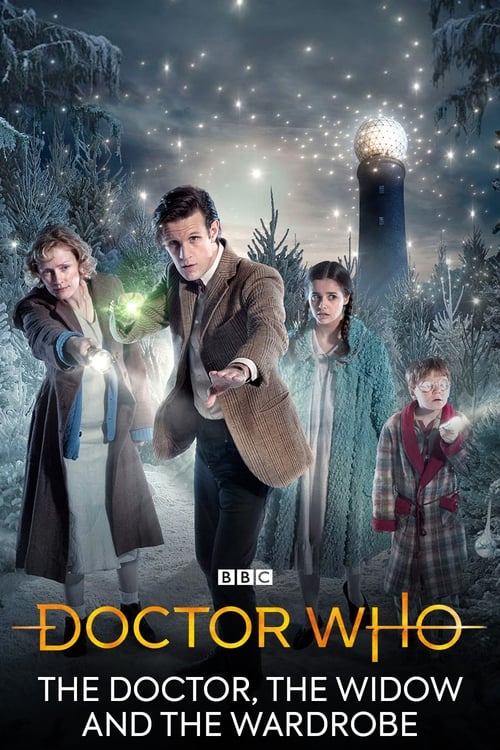
It's Christmas Eve, 1938, when Madge Arwell comes to the aid of an injured Spaceman Angel as she cycles home. He promises to repay her kindness - all she has to do is make a wish.
2010
2014
2012
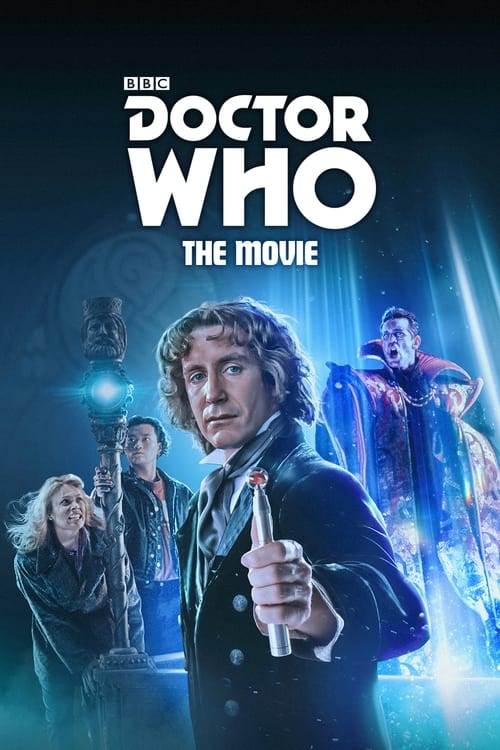
1996
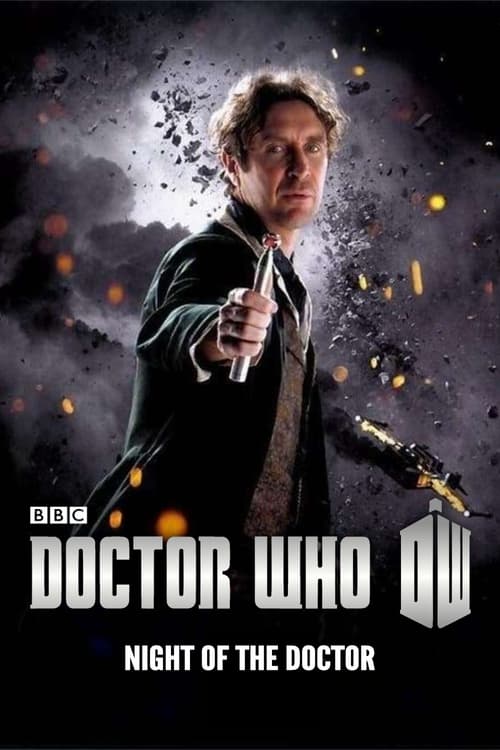
2013

1976
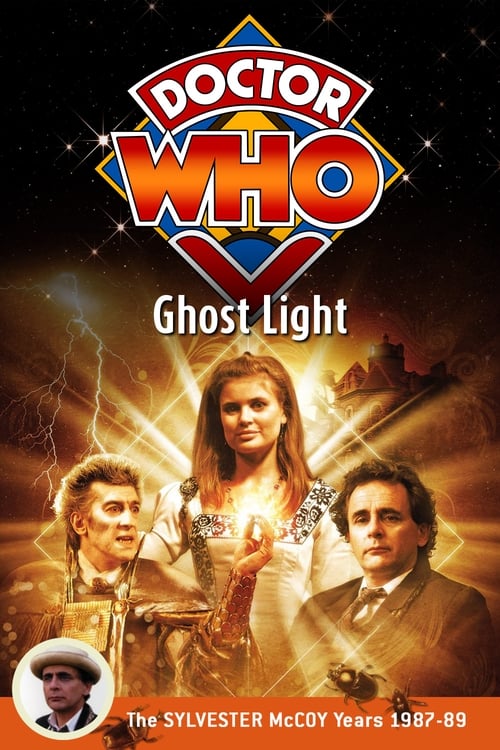
1989
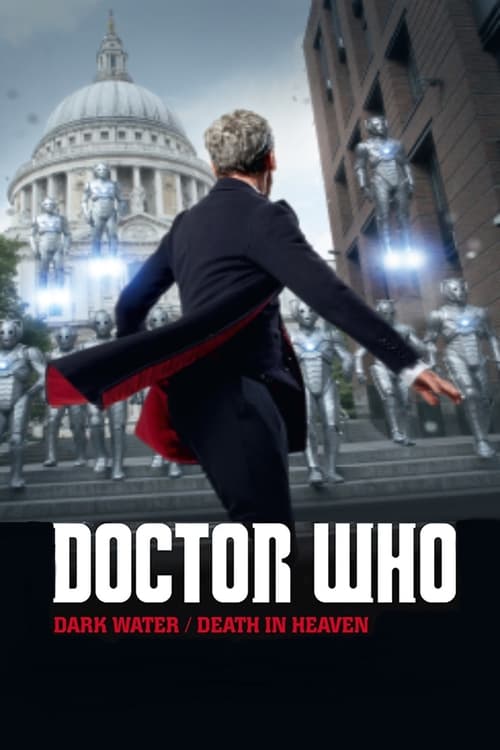
2014
No reviews yet. Be the first to share your thoughts on this movie!
Use the rating form above to leave a star rating and optional review.