Yellow Rose
1982
No user ratings available yet
Diversity score: 4.8 out of 10
1968
Director
Dinu Cocea
Runtime
105 minutes
Average Rating
No ratings yetSynopsis
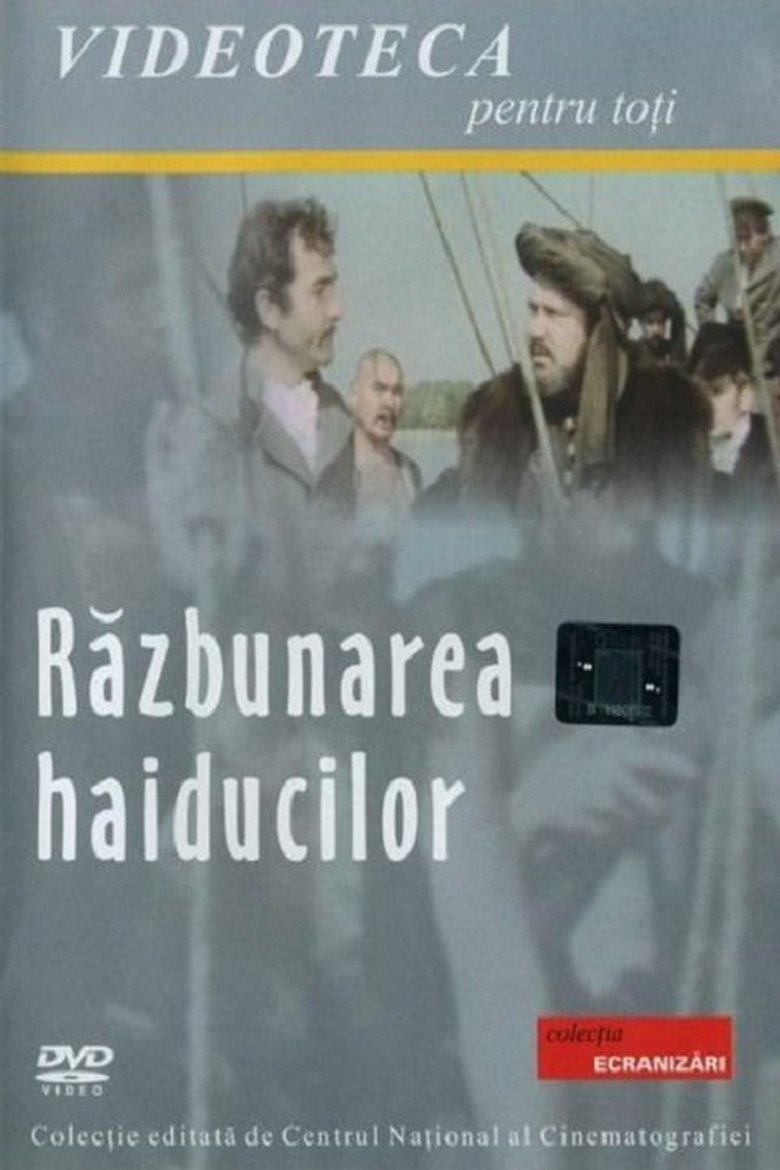
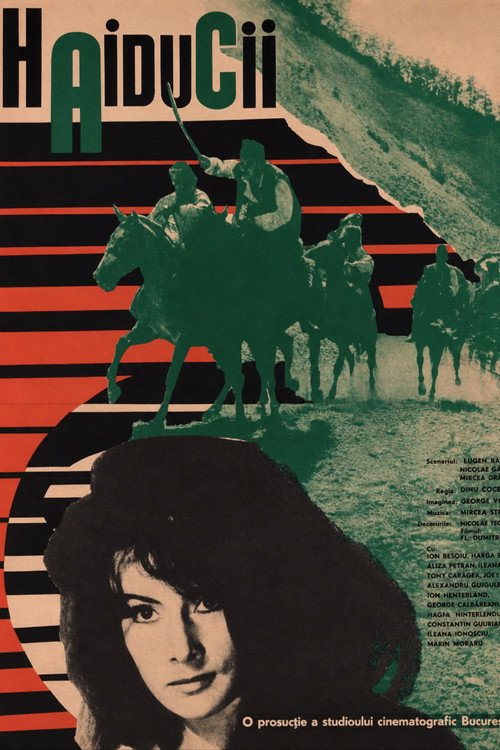
Second of 2 films set during the 18th century in the mountains of Wallachia, about a band of outlaws aiming to undermine the rule of the Phanariots and the Ottomans. The story evolves around the two stepbrothers who lead this band, Sarbu and Amza, with their complex and violent relationship.
Overall Score
Fair
Category Breakdown
LGBTQ+ Representation
The film lacks evidence of non-cisnormative identities or same-sex intimacy. The narrative focuses on traditional masculine archetypes through the fraternal bond and rivalry of the male leads.
Gender Representation
Agency is primarily driven by a male-dominated hierarchy within the outlaw band. The story centers on the violent relationship between stepbrothers rather than female characters subverting traditional roles.
Racial & Ethnic Diversity
The setting in 18th-century Wallachia provides a framework for exploring identity through resistance. The plot focuses on local outlaws undermining foreign Phanariot and Ottoman administrative forces.
Religious & Cultural Diversity
The narrative deconstructs traditional authority by framing established political and religious institutions as oppressive. It prioritizes localized, resistance-based morality over imperialist standards.
Disability Representation
There is no information available regarding the portrayal of physical or neurodivergent disabilities in this production.
Strengths
Areas for Improvement
AI Analysis
The film is a historical action piece that prioritizes themes of anti-establishment rebellion and systemic critique. Its strength lies in its cultural narrative, which centers on local resistance against foreign imperialist rule. However, the film adheres to the rigid social archetypes of its era. It lacks meaningful representation for women and LGBTQ+ individuals, focusing instead on a male-centric hierarchy and traditional masculine dynamics. Ultimately, while the film offers a strong critique of institutional power, it remains limited by the conventional gender and identity norms of 1960s historical cinema.
1982
1985
1961
1966
1974
2016
1966
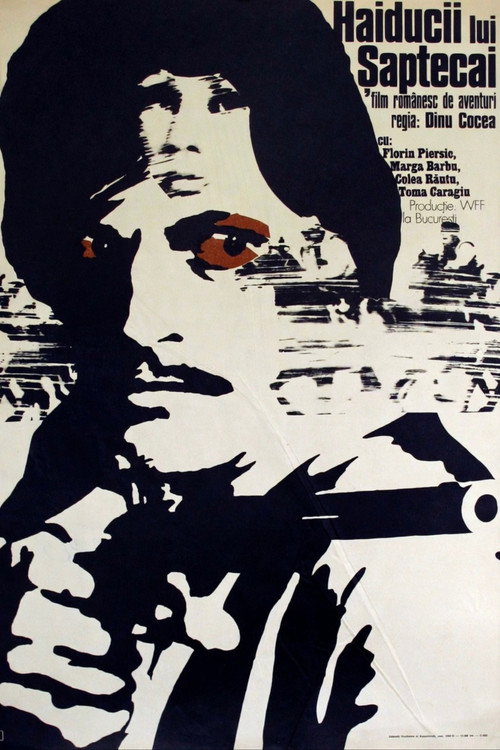
1971
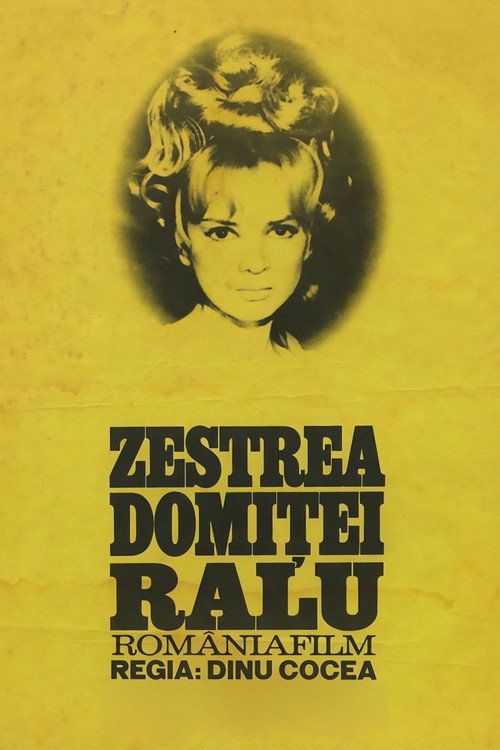
1972
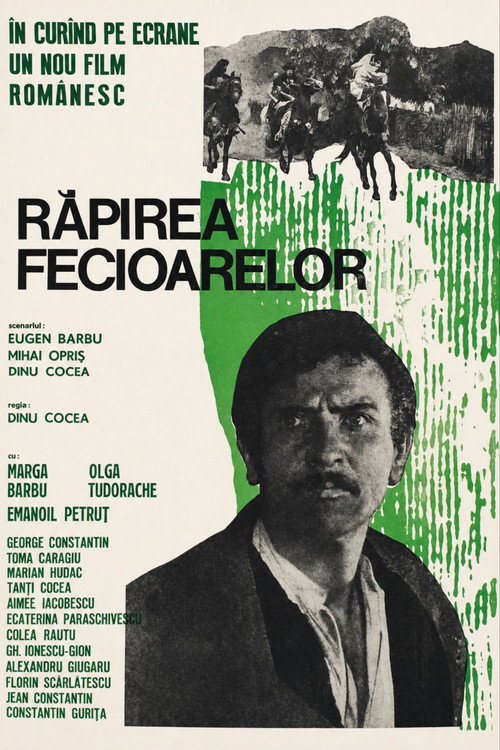
1968
No reviews yet. Be the first to share your thoughts on this movie!
Use the rating form above to leave a star rating and optional review.