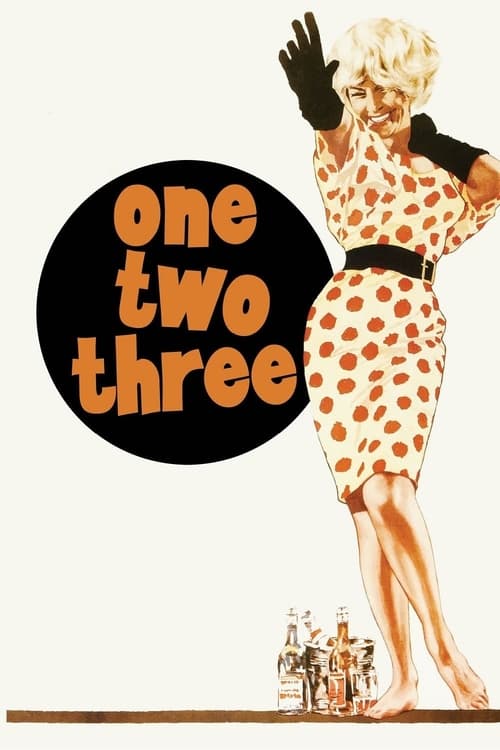
One, Two, Three
1961
No user ratings available yet
Representation score: 0.8 out of 10
Representation Score
Limited
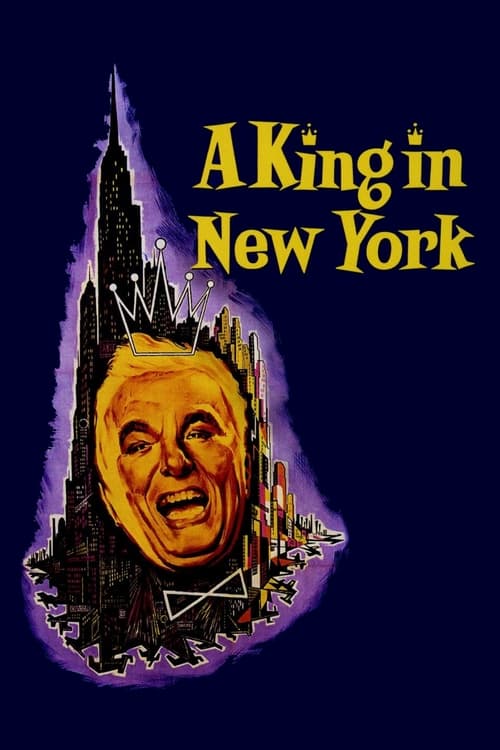
1957
GDirector
Charlie Chaplin
Runtime
104 minutes
Average Rating
No ratings yetNew Showbiz Analysis
A King in New York is a biting satire that finds its strength in critiquing systemic issues rather than modern identity politics. Charlie Chaplin uses the displaced monarch to dismantle the pretension of high society and the emptiness of the American Dream. The film excels at deconstructing class-based oppression and the moral vacuum of the nouveau riche. It serves as a powerful anti-capitalist statement, especially through its depiction of the protagonist's struggle against state authority and HUAC hearings. However, the film remains a product of its era, lacking meaningful representation for LGBTQ+ individuals or diverse racial intersectionality. Its focus is narrow, centering primarily on the friction between socioeconomic classes.
Category Breakdown
The film does not include any LGBTQ+ characters or non-cisgender identities. Romantic elements are limited to traditional heterosexual structures typical of mid-century cinema.
Marlene Dietrich leads a traditional romantic subplot. While the film adheres to mid-century gender clichés, its satirical approach occasionally mocks the patriarchal pretensions of the social elite.
The New York setting provides a cosmopolitan backdrop. However, the narrative prioritizes class stratification and socioeconomic status over intentional racial or ethnic diversity.
The film offers a sophisticated critique of American consumerism and materialism. It positions the protagonist as a virtuous figure against the hollow, superficial nature of the upper class.
There are no prominent depictions of visible or invisible disabilities used as central drivers for the characters in this narrative.
Present on Screen
Limited or Absent
Official Synopsis
A recently-deposed "Estrovian" monarch seeks shelter in New York City, where he becomes an accidental television celebrity. Later, he's wrongly accused of being a Communist and gets caught up in subsequent HUAC hearings.
1961
1946
1971
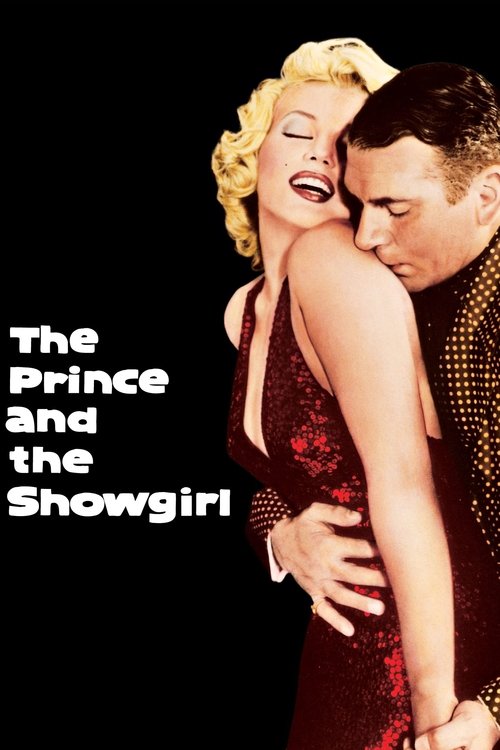
1957
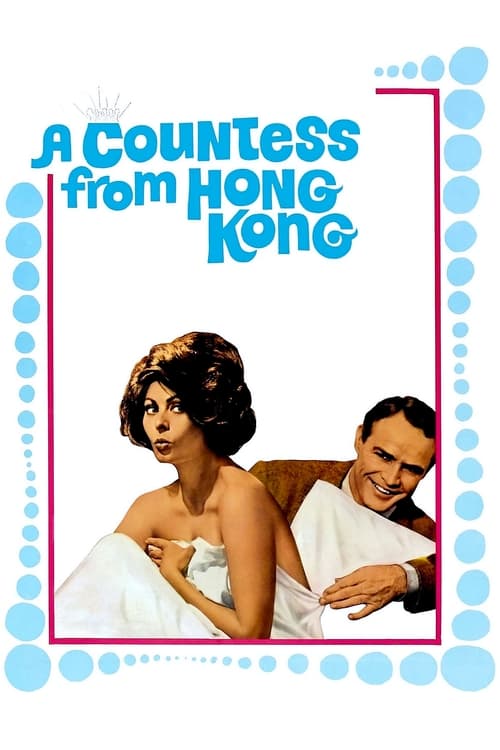
1967
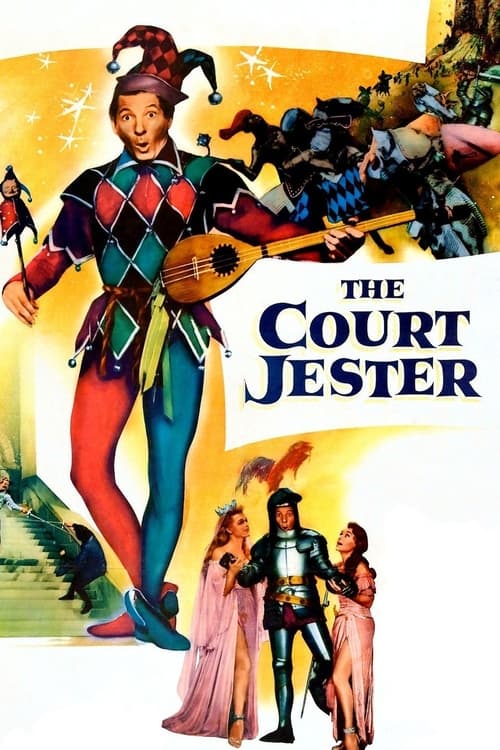
1955

1968

1976
No reviews yet. Be the first to share your thoughts on this movie!
Use the rating form above to leave a star rating and optional review.