
Dear Rena
2005
No user ratings available yet
Representation score: 5.3 out of 10
Representation Score
Fair
2011
Director
Nobuo Mizuta
Runtime
129 minutes
Average Rating
No ratings yetNew Showbiz Analysis
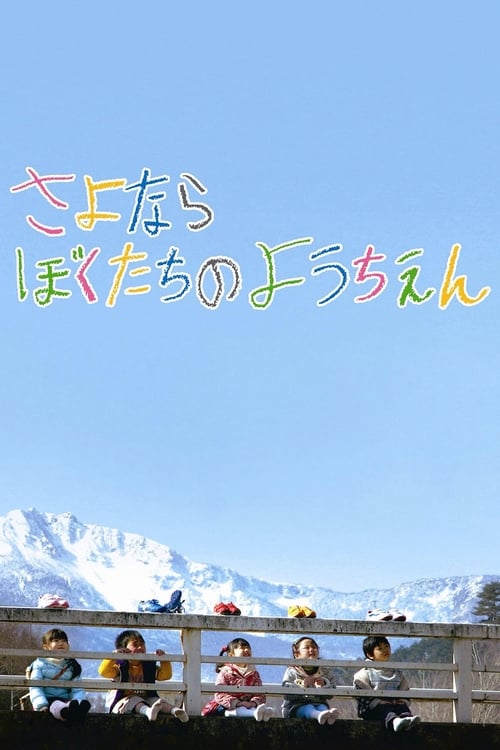
Goodbye to Our Kindergarten is a character-driven drama centered on the ability to act of five children navigating an unfamiliar world. While the film successfully disrupts the expectation of institutional safety and supervised childhood, it operates largely within traditional genre boundaries. The narrative lacks explicit markers or systemic critiques necessary to challenge established social hierarchies. It functions more as a study of childhood independence than a vehicle for progressive social commentary. Ultimately, the film's focus on a collective group of children obscures specific identity-based dynamics, resulting in a neutral representation of gender, race, and orientation.
Category Breakdown
The film does not include explicit LGBTQ+ characters or explore non-straight identities. The narrative focuses on the ability to act of children rather than identity politics. No derogatory stereotypes are present.
Gender dynamics among the children remain unclear due to the focus on a collective group. The story prioritizes shared experiences over gender hierarchies.
Set in Tokyo, the film likely reflects local demographics without emphasizing ethnic diversity. The cast's racial composition is not explicitly detailed. The narrative maintains a neutral stance on ethnic diversity.
The story disrupts institutional stability by showing children escaping structured educational environments. This departure from supervised social structures offers a moderate level of narrative deviation. It lacks explicit anti-institutional or anti-capitalist critiques.
The film provides no information regarding characters with physical or invisible disabilities. It is unclear if neurodivergence or disability plays a role in the children's journey.
Present on Screen
Limited or Absent
Official Synopsis
One day, five kindergarten children suddenly disappear from a kindergarten in Tokyo, sending their teachers and parents into a panic. The five of them are connecting on trains and headed to an unfamiliar place for some purpose.
2005

2011
2012
2011

2017

1975

2017

1982
No reviews yet. Be the first to share your thoughts on this movie!
Use the rating form above to leave a star rating and optional review.