
Back in the Day
2016
No user ratings available yet
Representation score: 2.5 out of 10
Representation Score
Fair
2014
RDirector
David Gordon Green
Runtime
118 minutes
Average Rating
No ratings yetNew Showbiz Analysis
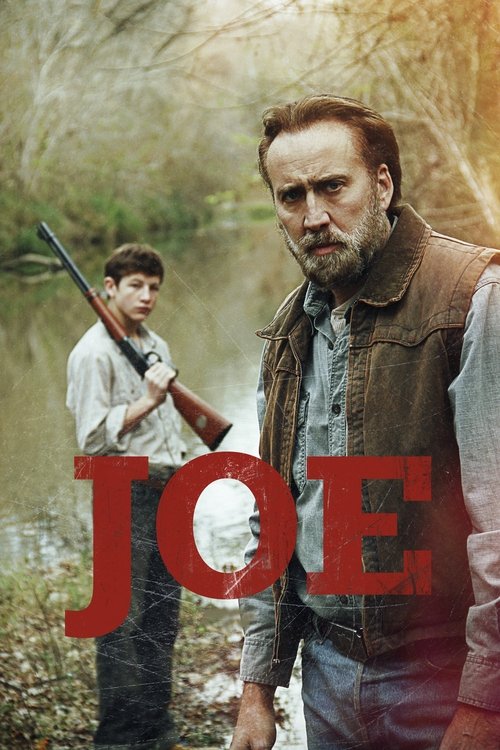
Joe is a traditionally focused film that disrupts conventional narratives. It lacks broad racial and LGBTQ+ representation, concentrating instead on a specific white, working-class Southern context. However, the film excels in challenging social hierarchies. By portraying the nuclear family and legal institutions as ineffective or corrupt, it questions the sanctity of traditional Western social structures. The narrative emphasizes situational morality and personal survival over community norms, making it a progressive exploration of ethics despite its limited demographic diversity.
Category Breakdown
The film does not include any LGBTQ+ characters or explore non-straight relationships. The story focuses solely on the relationship between the protagonist and a young man.
The story challenges traditional gender roles by showing the biological father as a source of chaos rather than a traditional authority figure. It avoids typical gender clichés by emphasizing the father’s negative influence.
Set in rural Louisiana, the film features a mostly white cast. The narrative centers on the socioeconomic struggles of the white working class without much racial mixing.
The film adds cultural complexity by criticizing Western social institutions. It portrays the traditional family unit as a source of trauma rather than stability.
Though the film doesn’t focus on clinical disabilities, it shows the psychological trauma of domestic abuse. These mental health issues drive the main plot.
Present on Screen
Limited or Absent
Official Synopsis
The rough-hewn boss of a lumber crew courts trouble when he steps in to protect the youngest member of his team from an abusive father.
2016

2004

2013

2013

2014

2020

2011

2010
No reviews yet. Be the first to share your thoughts on this movie!
Use the rating form above to leave a star rating and optional review.