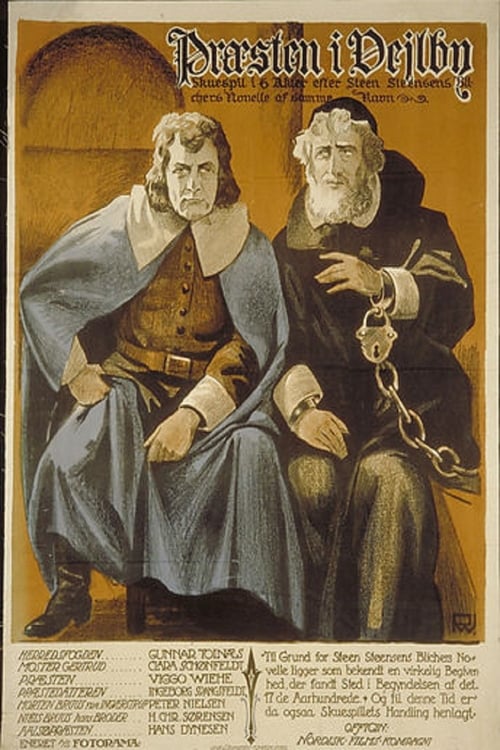
The Vicar of Vejlby
1931
No user ratings available yet
Representation score: 0.5 out of 10

Representation Score
Minimal
1933
PassedDirector
Robert Florey
Runtime
68 minutes
Average Rating
No ratings yetNew Showbiz Analysis
The House on 56th Street is a conventional 1930s period drama that adheres strictly to the social hierarchies of its era. The narrative focuses on the tragic fallout of social circumstances and individual morality within a high-society setting. While the film provides a character study of a female protagonist, it does so through a lens of traditional gender roles and marital status. The lack of diverse identities or varied casting reflects the era's standard storytelling formulas.
Category Breakdown
The film follows a traditional romantic arc between a chorus girl and a socialite. There is no evidence of non-straight relationships or narratives that question the assumption that everyone is straight.
The story centers on a female protagonist's social mobility. However, her ability to drive the story remains closely tied to her romantic and marital status within a traditional dramatic structure.
The narrative focuses on archetypes associated with the homogeneous white upper and middle classes of the 1930s. It lacks evidence of a multi-ethnic cast or underrepresented groups.
The film explores social class and individual morality within high society. It functions as a period drama rather than a critique of Western institutions or the nuclear family.
A character's terminal illness serves as a plot catalyst. There is no character-driven exploration of disability or meaningful representation of individuals with disabilities.
Present on Screen
Limited or Absent
Official Synopsis
A beautiful chorine marries a handsome rich socialite, but her idyllic life ends when she visits a dying old beau and is charged when he commits suicide.
1931

1935

1932

1942

1949

1933
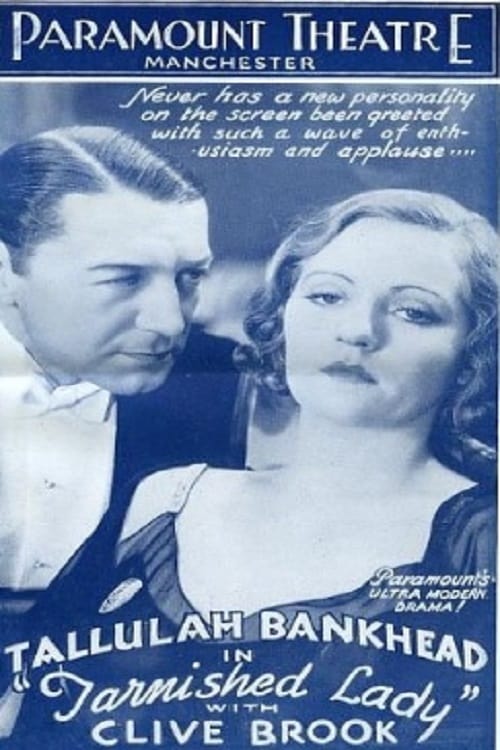
1931

1936
No reviews yet. Be the first to share your thoughts on this movie!
Use the rating form above to leave a star rating and optional review.