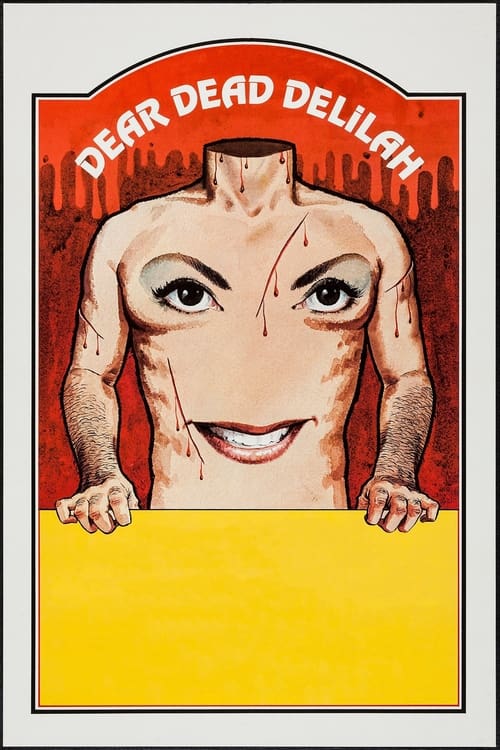
Dear Dead Delilah
1972
No user ratings available yet
Representation score: 2.5 out of 10
Representation Score
Minimal
1973
PGDirector
Don Sharp
Runtime
91 minutes
Average Rating
No ratings yetNew Showbiz Analysis
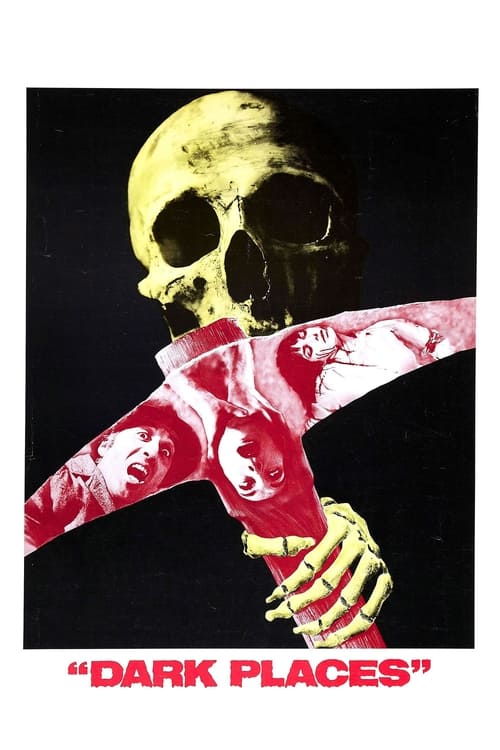
Dark Places is a traditional genre piece that operates strictly within the social and narrative conventions of the early 1970s. The plot focuses on a standard struggle for inheritance and control, reinforcing established power dynamics rather than challenging them. The film relies heavily on established archetypes, such as the male heir and the seductive antagonist. This structure prioritizes conventional gender roles and Western concepts of property rights over inclusive storytelling. Ultimately, the film lacks significant evidence of diverse representation. It functions as a period-typical thriller that maintains the status quo of its era's social and racial hierarchies.
Category Breakdown
The film adheres to traditional gender norms and does not include any non-cisgender identities or narratives that challenge conventional gender roles.
A male character drives the plot, while female characters are confined to supporting roles. Women are portrayed through clichés of seduction or manipulation rather than leadership.
The narrative likely reflects the homogeneous social structures of 1973. It appears to adhere to the white-centric, Anglo-Saxon-dominated casting common in British horror of this period.
The story reinforces Western views on lineage and private property. It centers on inheritance and the protection of an estate within established social hierarchies.
The available information provides no mention of characters with visible or invisible disabilities. No assessment of neurodivergence or physical impairments is possible.
Present on Screen
Limited or Absent
Official Synopsis
The heir of a mysterious estate must unveil its secrets and discover its treasures before a scheming doctor and his seductive sister can steal what is rightfully his.
1972
1977
1973
1971
2021
1969
1973
1990
No reviews yet. Be the first to share your thoughts on this movie!
Use the rating form above to leave a star rating and optional review.