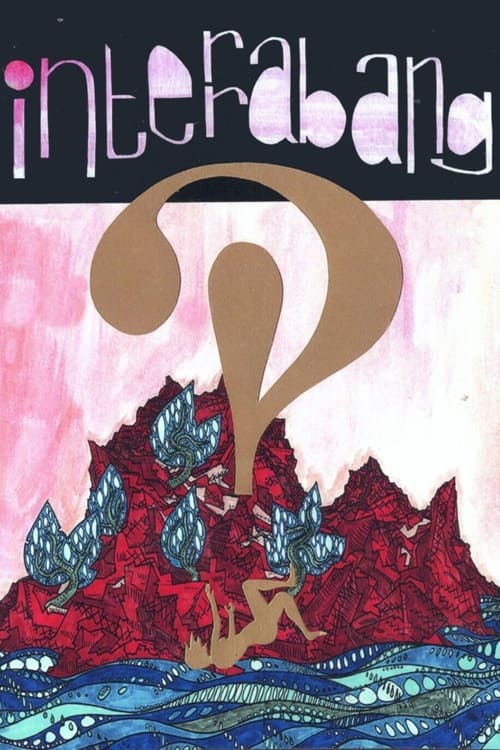
Interrabang
1969
No user ratings available yet
Diversity score: 4.5 out of 10

1971
Director
Jean-Louis van Belle
Runtime
90 minutes
Average Rating
No ratings yetSynopsis
The film tells the story of Françoise Frémont, who travels across Europe on an apparently random killing spree, bumping off a series of increasingly odious men. From Swinging London to the eternal city of Rome, she leave a trail of dead bodies and the question: why? A mystery film as only Jean Louis van Belle could make it, The Lady Kills is a blast from start to finish with an amazing soundtrack of gloriously groovy psych-rock.
Overall Score
Fair
Category Breakdown
LGBTQ+ Representation
The film lacks explicit queer semiotics or non-heteronormative romantic pairings. While the protagonist operates outside traditional domesticity, there is no clear evidence of LGBTQ+ identities.
Gender Representation
Françoise Frémont disrupts conventional hierarchies by serving as an active agent of chaos. The film inverts power dynamics, positioning a woman as the dominant force against a series of men.
Racial & Ethnic Diversity
The pan-European setting across London and Rome suggests a cosmopolitan backdrop. However, the narrative appears to align with the traditional demographic norms of 1970s European cinema.
Religious & Cultural Diversity
The story challenges institutionalized morality by framing a killing spree as a response to social ills. It favors situational ethics and a critique of the established societal order.
Disability Representation
There is no discernible evidence regarding the portrayal of physical or neurodivergent disabilities within the narrative.
Strengths
Areas for Improvement
AI Analysis
The film excels at subverting gendered power dynamics, replacing the trope of the female victim with a protagonist of extreme agency. Françoise Frémont drives the plot through decisive, lethal actions against men, providing a sophisticated deconstruction of social archetypes. However, the work remains limited in its intersectional breadth. The focus on Western European locales and traditional demographics results in low racial and ethnic diversity. Additionally, the absence of explicit LGBTQ+ identities keeps the representation within a more conventional framework. Ultimately, the film is a study in moral relativism and gendered agency. It succeeds in challenging social structures through its protagonist's vigilante journey, even if it lacks broader diversity markers.
1969
1977
1987

2017

1989
1967
1970

1974
1977
1969

2016

1987
No reviews yet. Be the first to share your thoughts on this movie!
Use the rating form above to leave a star rating and optional review.