
Snow Leopard
2023
No user ratings available yet
Representation score: 3.9 out of 10
Representation Score
Limited
2011
Director
Pema Tseden
Runtime
88 minutes
Average Rating
No ratings yetNew Showbiz Analysis
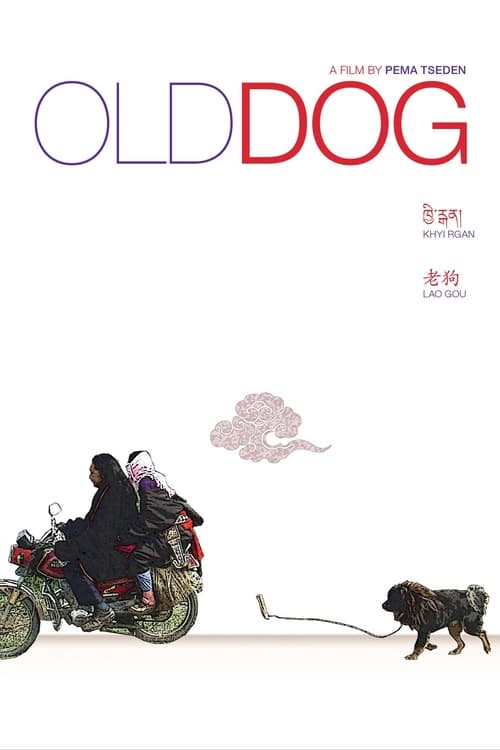
Pema Tseden’s *Old Dog* is a significant film that prioritizes ethnic authenticity and cultural preservation. It excels by centering the Tibetan Plateau with a respectful observational approach, avoiding the fast-paced storytelling typical of Western films. While the film does not address LGBTQ+ themes or challenge traditional gender roles, it provides a deep insight into a specific ethnic identity. By contrasting pastoral rhythms with urban commodity culture, the story critiques capitalist valuation systems. Ultimately, the film serves as a powerful act of cultural preservation, encouraging viewers to engage with a time frame outside of mainstream consumer norms.
Category Breakdown
The film does not include any LGBTQ+ characters or stories that explore non-straight relationships. The focus is solely on the family and its biological continuity.
The story mainly centers around male characters, particularly the aging shepherd and his son. Women are mostly seen in peripheral roles, often defined by struggles related to fertility issues.
The film stands out by featuring a Tibetan cast and setting, emphasizing ethnic authenticity. It highlights the ability to act of a non-Anglo-Saxon community, avoiding the homogenization typical in mainstream media.
The film offers a nuanced critique of modern urban expansion. It emphasizes a localized, non-Western lifestyle, presenting urban growth as a potential threat to traditional ways of life.
There are no specific depictions of visible or invisible disabilities within the main storyline.
Present on Screen
Limited or Absent
Official Synopsis
A story of an aged sheepherder, his gruff grown son (who’s having trouble conceiving a child with his wife) and the old man’s Tibetan mastiff hound – a highly prized breed, much sought after by urban Chinese – whose existence is imperiled from all sides.
2023
2004
2005

2024

1986

2011
2019
2015
No reviews yet. Be the first to share your thoughts on this movie!
Use the rating form above to leave a star rating and optional review.