
Success Is the Best Revenge
1984
No user ratings available yet
Representation score: 8.4 out of 10
Representation Score
Fair
1991
Director
Jacek Bromski
Runtime
107 minutes
Average Rating
No ratings yetNew Showbiz Analysis
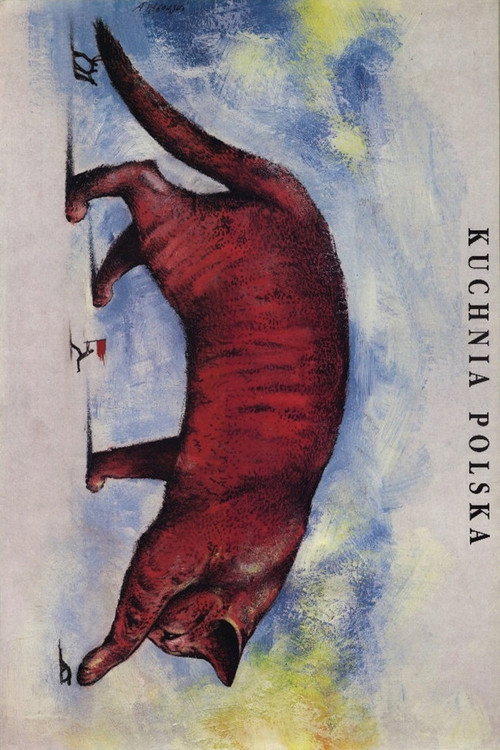
The film opens on a close-up of hands kneading dough, a tactile image that immediately grounds the narrative in the physical labor of the domestic sphere. This is not a grand political statement but a quiet, observational study of a Polish household in the early 1990s, where the weight of social transition settles on the shoulders of the woman who keeps the lights on. Krystyna Janda’s Margaret is the moral and practical center, her competence the only thing preventing the household from collapsing into the pretensions and bluntness of the men around her. The camera lingers on her face and hands, treating her exhaustion as a fact of life rather than a plot point to be resolved. The sold meaning is that domestic stability is a female burden that men treat as a given. The men are guests in their own lives, their failures in social and practical matters played for dry, sympathetic humor. Margaret is not rescued; she is the rescuer, fixing the messes that the men create through their detachment or boorishness. The film’s argument is not that women are oppressed in a dramatic, revolutionary sense, but that their labor is the invisible glue of society, taken for granted by those who see themselves as the primary actors in the public sphere. The ending is a quiet, lingering shot of Margaret alone, suggesting a state of unresolved tension rather than a triumphant resolution. The domestic sphere remains intact, albeit strained. The film does not offer a clean moral victory or a call to action; it simply shows the sheer volume of work women perform while men discuss abstract ideas or engage in petty conflicts. This is a film of endurance, where the last word belongs to the woman who holds the line, not because she has won, but because she is the only one who can.
Category Breakdown
No queer characters, intimacy, or identity markers appear on screen. The narrative relies entirely on heterosexual domestic dynamics and marital conflict. Absent.
Krystyna Janda anchors the film as the practical and moral center, managing the household while male characters remain detached or inept. Her competence drives the plot, and the camera treats her labor as the essential, unacknowledged glue of the social sphere.
The cast is entirely Polish, reflecting the homogeneous national context of the setting. No racial or ethnic diversity is depicted or discussed within the domestic or social frames. Absent.
The film critiques the post-communist renegotiation of gender roles, framing traditional domestic expectations as a burden on women. It presents the secular, middle-class Polish home as a site of quiet endurance rather than a celebration of national or familial tradition.
No characters are depicted with physical, sensory, or cognitive impairments. The body is presented realistically as a site of labor and social interaction, without medical or disability-focused framing. Absent.
Present on Screen
Limited or Absent
Official Synopsis
A Polish lieutenant from the Royal Air Force comes home with his British wife and faces political persecution.
1984
1985
1991
2014
1982
1988
1993

1973
No reviews yet. Be the first to share your thoughts on this movie!
Use the rating form above to leave a star rating and optional review.