Joensuun Elli
2004
No user ratings available yet
Representation score: 3.1 out of 10
Representation Score
Limited
1983
Director
Anssi Mänttäri
Runtime
74 minutes
Average Rating
No ratings yetNew Showbiz Analysis
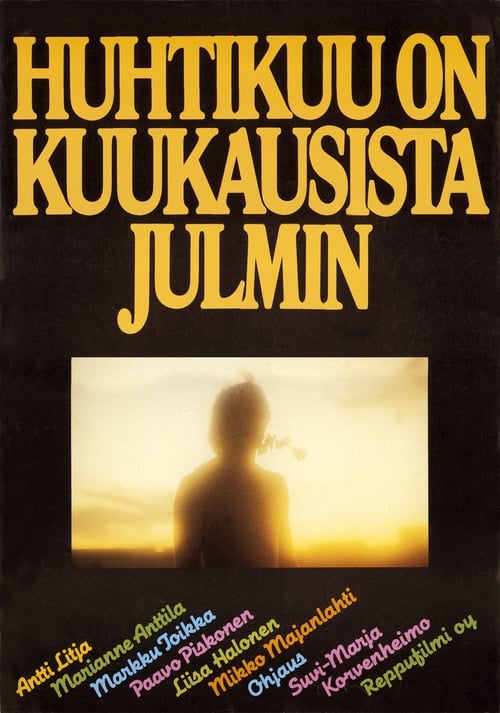
Anssi Mänttäri’s satire centers on the decay of traditional structures and social fragmentation. It provides a localized, gritty look at Finnish provincial life rather than a broad demographic study. The film prioritizes a critique of the socioeconomic status quo, using moral relativism to challenge the perceived stability of provincial institutions and authority figures. However, the work lacks representation of multiple aspects of diversity, focusing instead on the specific ethnic and geographic demographics of its era.
Category Breakdown
The film does not feature prominent LGBTQ+ characters or those with diverse gender identities. It stays within the conventional social norms of 1980s rural Finland without challenging traditional expectations.
Gender roles are shown through traditional, often tense hierarchies. The film examines patriarchal family dynamics but aligns with the provincial social norms without subverting gender roles.
The cast is primarily made up of actors from similar backgrounds, reflecting the 1983 Finnish production context. There are no non-white characters included.
The film critiques the rigid socioeconomic structures and the stagnation of the provincial working class. It challenges the cohesion of traditional rural institutions through depictions of social breakdown.
There are no characters with visible or invisible disabilities in the film. The narrative focuses on socioeconomic and psychological alienation rather than addressing neurodivergence or physical disability.
Present on Screen
Limited or Absent
Official Synopsis
April is the Cruelest of Months is a 1983 film directed by Suvi-Marja Korvenheimo, also known as Anssi Mänttäri, and the final part of the Korvenheimo trilogy. It was named after the first verse of T. S. Eliot's poem series The Waste Land. The film, shot in ten days, is a satire on the candles of Finnish culture.
2004

2000
1992
2014
1980
1992
1977
1951
No reviews yet. Be the first to share your thoughts on this movie!
Use the rating form above to leave a star rating and optional review.